Pole Dance Around the World: Cultural Differences and Regional Styles
The global phenomenon of pole dance represents one of the most dynamic evolutions in modern movement arts. What began centuries ago as distinct acrobatic traditions in different parts of the world has blossomed into an internationally recognized discipline. Today, pole dance encompasses everything from high-intensity athletic sport and artistic performance to sensual floorwork and theatrical storytelling. Dancers across different continents bring unique cultural heritages, aesthetic preferences, and movement philosophies to the apparatus. This cross-cultural dialogue has fostered a rich tapestry of techniques that continue to push the boundaries of human strength and expression.
Understanding the diversity of pole dance styles worldwide requires looking closely at how regional communities train, perform, and innovate. While the physical core of pole dance relies on gravity-defying tricks and seamless transitions, the stylistic nuances vary dramatically depending on whether you are observing a studio in Tokyo, Los Angeles, London, or Kyiv. Movement tempos, costume choices, shoe preferences, and musicality all reflect local artistic priorities. For any dedicated athlete or performer, exploring these distinct approaches offers invaluable inspiration and broadens one’s personal creative movement vocabulary.
As the international community grows more interconnected through global competitions, workshops, and digital media, these regional boundaries fluidly influence one another. Yet, despite this global crossover, individual artistic hubs maintain clear, distinct signatures. Whether your heart lies with the hypnotic flow of Exotic Pole, the sheer power of Pole Sport, or the poetic narrative of Dramatic Pole Art, appreciating the regional roots of these disciplines enriches your journey in the studio.
The Historical Foundations and Cultural Roots of Pole Dance
To fully appreciate modern regional pole styles, one must first explore the rich cultural history pole dance carries from its historic origins. Long before modern brass and stainless-steel poles became staples of contemporary fitness studios, physical traditions involving vertical posts existed across Asia and Europe. The most prominent historical parallel is Mallakhamb, a traditional Indian sport dating back to at least the 12th century. In Mallakhamb, athletes execute breathtaking acrobatic holds, feats of balance, and rapid climbs on a standing wooden pillar. Historically practiced primarily by male wrestlers to build core stability, agility, and stamina, Mallakhamb laid an early blueprint for vertical apparatus conditioning.
Simultaneously, traditional Chinese pole acrobatics developed within circuses and theatrical troupes as early as the Song Dynasty. Performers utilized two or more rubber-coated poles, executing dramatic drops, horizontal holds, and synchronized jumps between apparatuses. Unlike modern pole dance, which relies heavily on direct skin friction against smooth metal, traditional Chinese acrobats wore full-body canvas suits to protect against burns while sliding at extreme speeds. The emphasis was strictly on explosive power, agility, and crowd-pleasing spectacle, solidifying the pole as a formidable tool for circus performance.
The transition toward modern artistic and fitness pole dance occurred during the 20th century across Western traveling side shows and cabaret venues. Over decades, local performers incorporated sensual movement, musicality, and intricate floorwork, giving rise to an entirely new genre of movement art. As these traditions merged in the late 20th and early 21st centuries, the athletic rigor of Asian acrobatics combined with Western theatricality, laying the groundwork for the modern global movement we celebrate today.
North American Styles: Athleticism, Sensuality, and Dramatic Flair
In North America, pole dance evolved along two prominent artistic paths that frequently influence each other: high-powered athleticism and expressive, sensual storytelling. The West Coast of the United States, particularly Southern California, played a monumental role in popularizing the sensual, fluid style often referred to as Low Flow or Modern Exotic. Dancers in this region place heavy emphasis on low-level apparatus work, intricate legwork, seamless edge work with platform heels, and emotional body language. The atmosphere in North American studios frequently celebrates individual empowerment, self-expression, and raw artistic freedom.
Concurrently, North America has been a major incubator for Pole Sport and competitive artistic pole. Here, the focus shifts toward extreme flexibility, clean lines, explosive power tricks, and technical precision. Dancers spend years mastering complex combinations such as the Iron X, Rainbow Marchenko, and dynamic flip dismounts. Training methodologies draw heavily from gymnastics and elite figure skating, emphasizing strict execution, body alignment, and difficulty scoring.
This dual identity makes the North American scene incredibly diverse. On any given day in a major metropolitan studio, you will find athletes training for international sport federations alongside dancers creating theatrical storytelling pieces set to hip-hop, rock, or dark alternative music. The apparel worn reflects this duality: performance gear must balance minimal skin coverage for maximum apparatus grip with high durability to withstand intense dynamic drops and fluid floor transitions.
European Elegance: Theoretical Precision and Aesthetic Mastery
The European pole scene stands out for its deep integration of classical dance training, structural elegance, and theatrical drama. Across Western and Eastern Europe, studio instruction often draws upon foundational techniques from classical ballet, contemporary dance, and artistic gymnastics. This background manifests in immaculate toe points, extended leg lines, fluid arm carriage, and hyper-awareness of spatial geometry on stage.
In Eastern European countries, including Ukraine, pole dance has reached unprecedented heights of technical execution and artistic perfection. Ukrainian dancers and choreographers are renowned worldwide for pioneering complex movement concepts that merge aggressive athleticism with soft, mesmerizing grace. The regional style places immense priority on fluid transitions—ensuring that getting into and out of an elite trick is just as breathtaking as the trick itself. Furthermore, Eastern European Exotic Pole has created a global benchmark characterized by speed, precision legwork, dramatic drops, and absolute control.
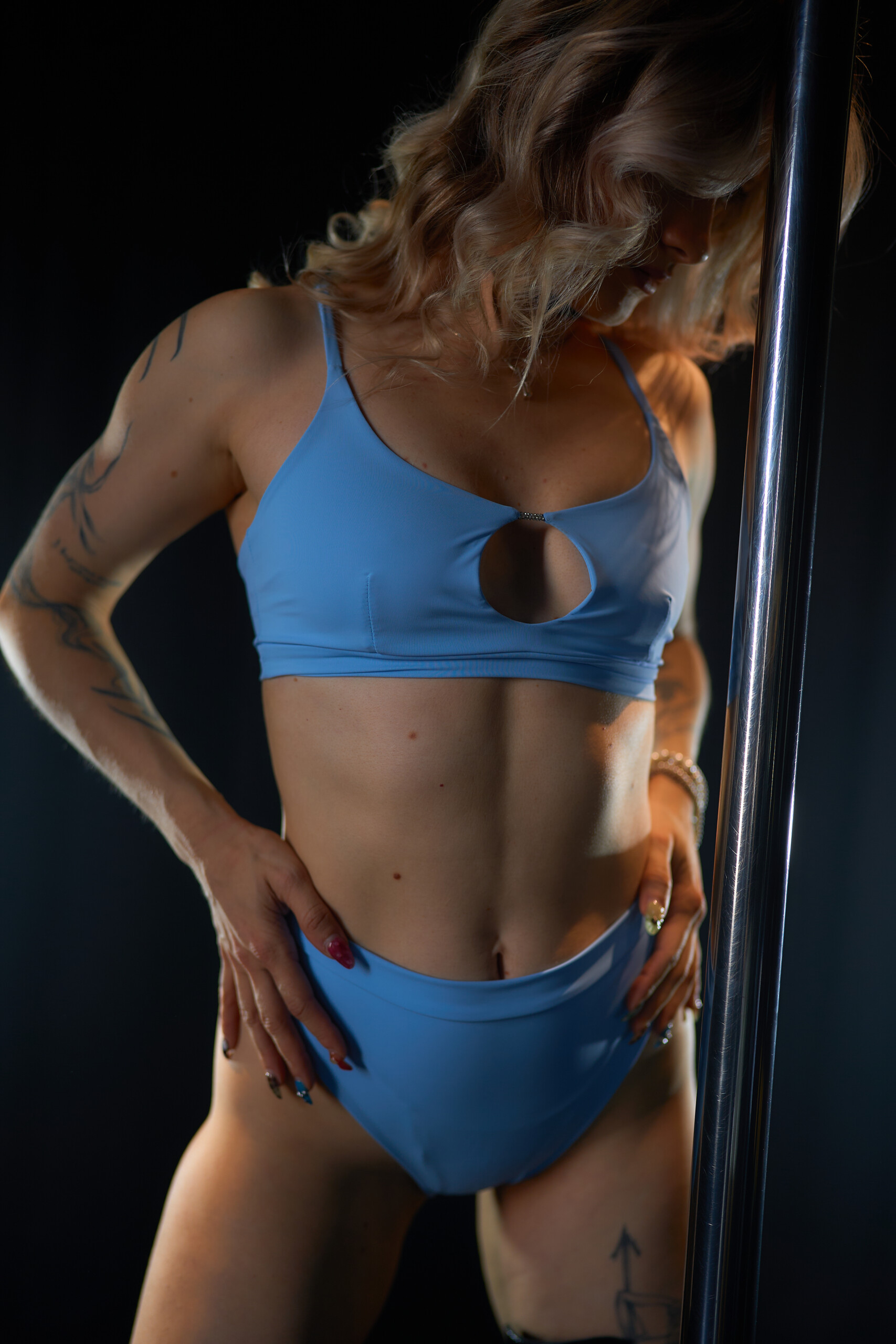
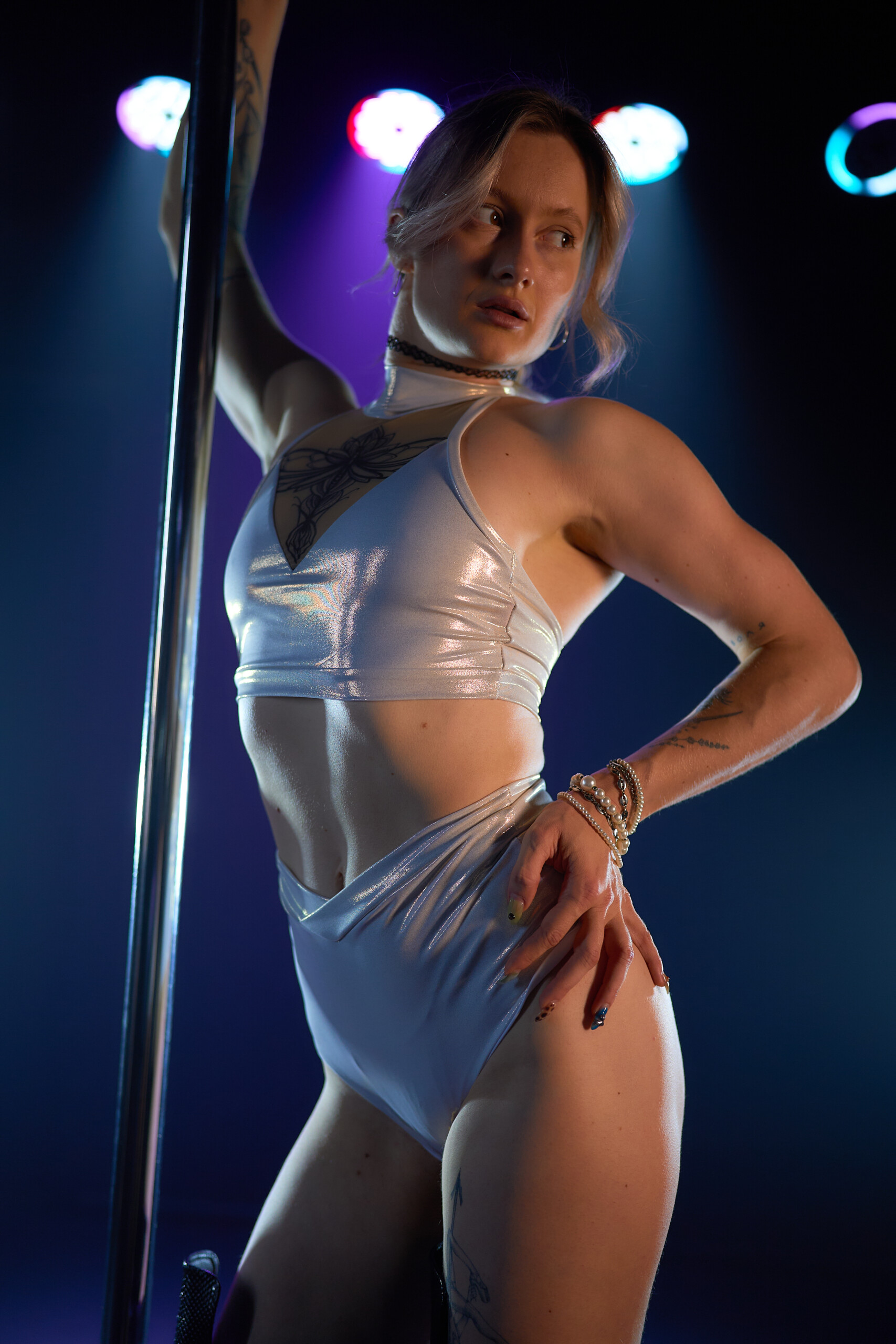
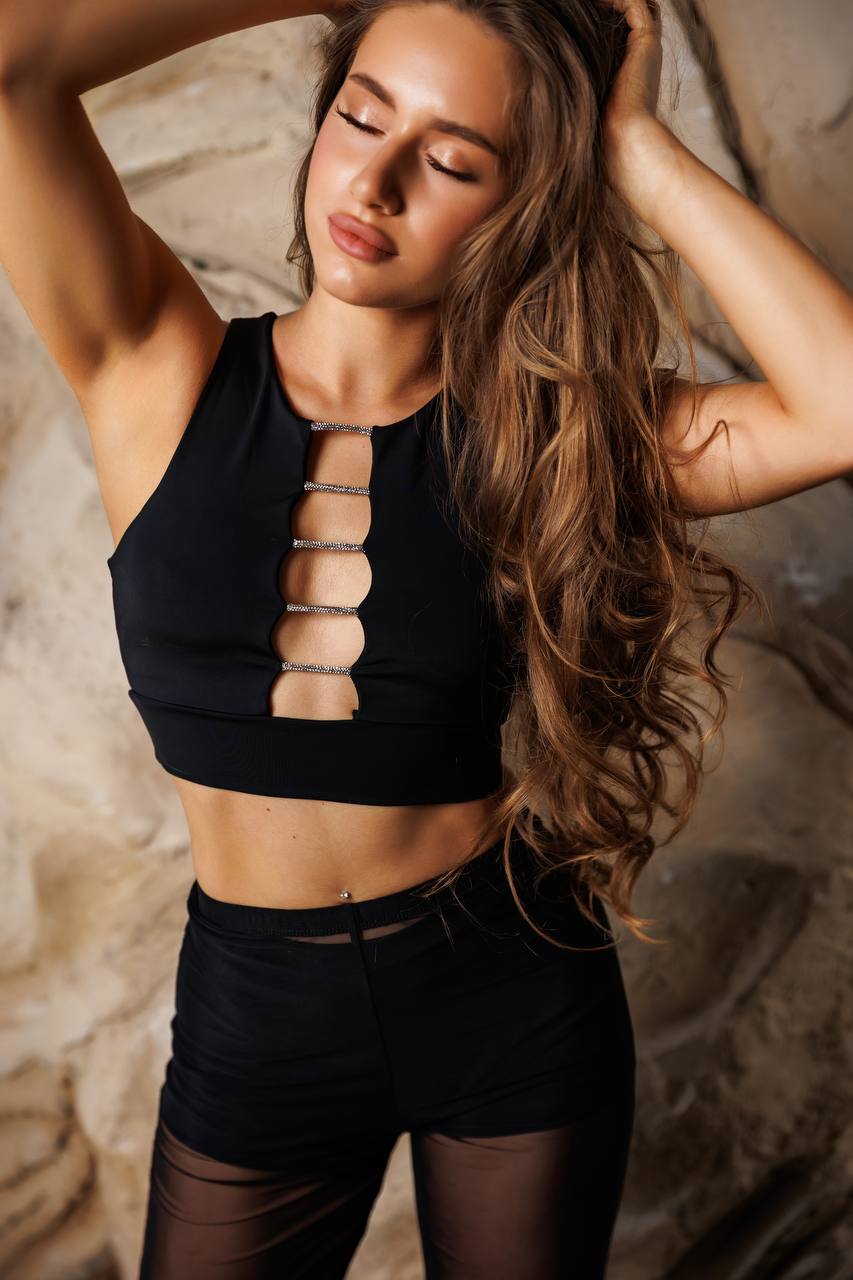
To maintain this high level of execution, dancers require apparel specifically engineered for grueling training routines and flawless stage presence. High-quality fabrics that offer dynamic stretch, secure support, and anatomical cuts are essential when performing technical lines. Exploring the latest design innovations in the New collection from ArtGo Sport reveals how functional wear seamlessly aligns with the rigorous aesthetic demands of European pole training.
Asian Innovations: Grace, Dynamic Power, and Flowing Musicality
Asian pole dance communities have developed highly distinct aesthetics that draw inspiration from both classical regional performing arts and modern contemporary trends. In countries like Japan, South Korea, and China, pole dance is characterized by an extraordinary sense of lightness, romanticism, and lyrical musicality. Dancers often focus on creating smooth, spinning-pole routines that resemble suspended ballet, emphasizing long extensions, delicate hand placements, and soft, continuous momentum.
In Japan, for instance, choreographers frequently fuse lyrical dance elements with precise theatrical themes, crafting narrative routines that evoke deep emotion. The movement style prioritizes control during slow spins, seamless aerial re-gripping, and graceful poses that highlight flexibility and balance. Musical choices lean heavily toward emotive instrumental tracks, piano compositions, and dynamic soundtracks, allowing dancers to showcase intricate tempo changes.
Meanwhile, in China, the modern pole scene maintains strong ties to traditional circus heritage. Chinese pole athletes are internationally recognized for unmatched upper body strength, dynamic aerial flips, and shocking acrobatic drops. The contrast between light, lyrical spinning styles and raw, explosive acrobatic feats makes the Asian pole landscape one of the most exciting and rapidly evolving in the world.
Latin American and Australian Influences: Rhythm, Power, and Innovation
Latin America brings an undeniable sense of rhythmic energy, passion, and grounded power to the global pole community. In countries such as Brazil, Argentina, and Colombia, pole dance incorporates rich Latin dance flavors, including elements of salsa, samba, and reggaeton. Dancers emphasize fluid hip isolation, explosive floorwork, and high-energy choreography that demands incredible cardiovascular endurance. The culture celebrates expressive freedom and bold stage presence, encouraging performers to fully connect with their audience.
Australia, on the other hand, has long been a powerhouse in the global pole industry, pioneering several unique sub-genres. Australian dancers were among the early innovators of dramatic story-based pole theater, where routines are structured around complex characters, theatrical props, and cinematic concepts. Additionally, Australia has contributed significantly to the evolution of Hardcore Exotic and Trick-Heavy Flow, blending massive heels work with complex strength tricks on static poles.
The exchange of ideas between these regions highlights how adaptative pole dance truly is. Whether adapting to rhythmic Latin tempos or Australian theatrical concepts, dancers continuously adapt their physical conditioning and training wardrobe to suit their evolving creative visions.
How Equipment and Wear Adapt to Global Pole Styles
As pole dance styles worldwide continue to diversify, the equipment and activewear supporting dancers have evolved alongside them. Different styles place distinct mechanical demands on a dancer’s body and apparel:
- Pole Sport & Acrobatic Pole: Requires maximum skin-to-metal contact to safely hold static poses like the Russian Split or Brass Monkey. Tops and bottoms must feature minimal cuts, non-slip fits, and secure band support to avoid movement during inversion tricks.
- Exotic & Low Flow: Requires specialized protection for ground-based choreography. Dancers rely heavily on fitted knee pads with grip inserts, durable leggings, and sleek bodysuits that reduce friction burns while sliding across studio floors.
- Lyrical & Contemporary Pole: Calls for high-stretch, lightweight garments that mirror the fluid movement of the dancer without restrictive seams.
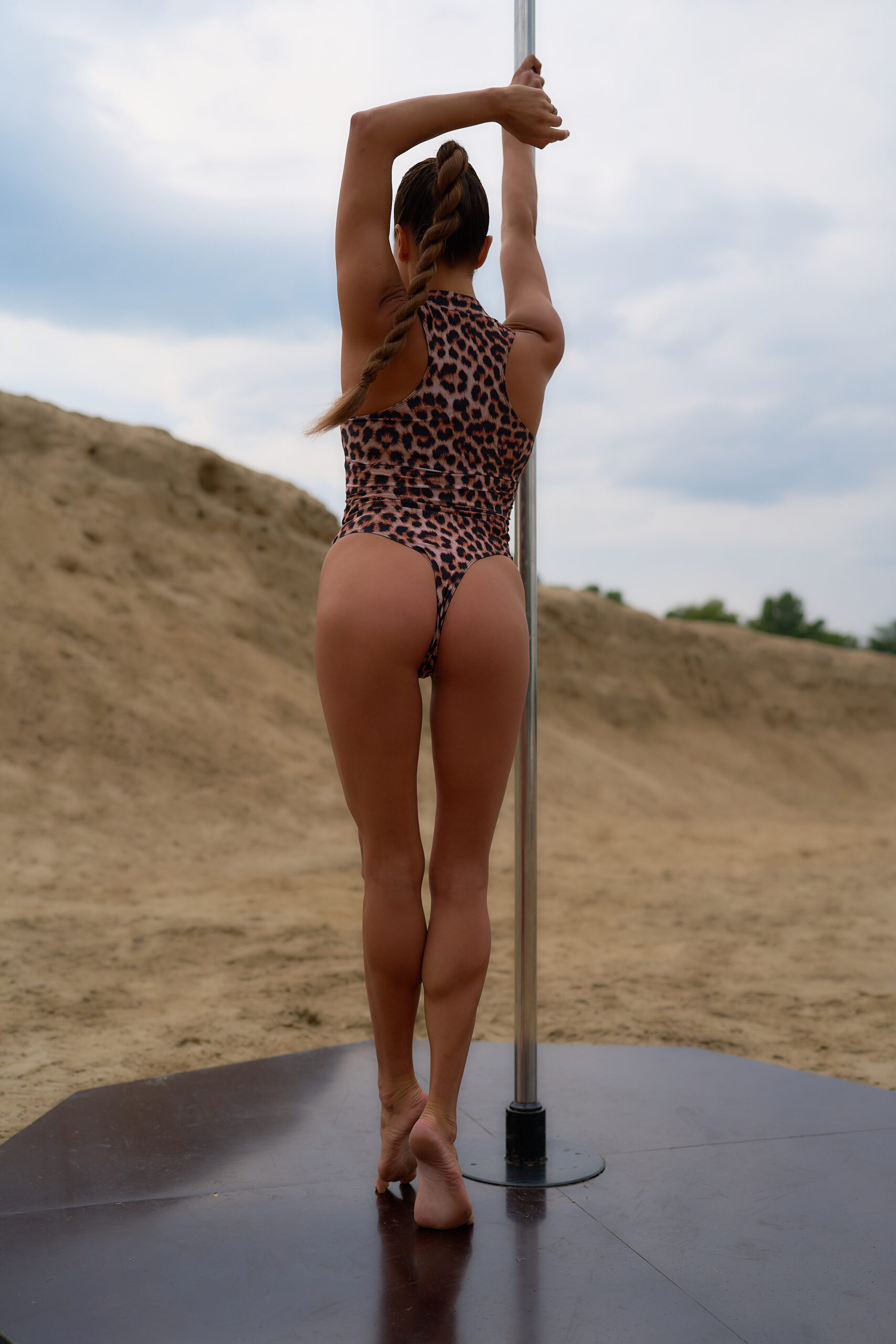
At ArtGo Sport, we closely study these international movement styles to engineer apparel that empowers athletes across every discipline. From specialized pole bodysuits designed for maximum breathability and skin contact to reinforced knee pads for intense floorwork, providing functional, stylish solutions is at the core of our philosophy.
Conclusion
The global evolution of pole dance is a testament to the universal power of human movement and artistic expression. By understanding the cultural history pole dance holds and recognizing distinct regional pole styles, dancers gain a broader perspective on their own studio practice. From the acrobatic roots of Indian Mallakhamb and Chinese circus arts to the refined elegance of European choreographies and the passionate rhythms of Latin America, every culture has contributed something extraordinary to this dynamic sport.
As the boundaries between athletic sport and artistic dance continue to blur, having the right gear allows you to explore every style with absolute confidence, safety, and flair. Embrace the global heritage of pole dance, experiment with new movement concepts, and equip yourself with performance wear built to support your journey every step of the way.
Rate this post