
Choosing Your First Pole: Chrome, Brass, or Stainless Steel?
Stepping into the world of pole dance is an exhilarating journey that challenges your strength, flexibility, and artistic expression. Whether you are motivated by fitness, trick progression, or sensual expression, setting up a dedicated practice space at home is often the single most transformative step you can take. Having your own equipment empowers you to drill spins, condition your body, and build memory outside of studio hours. However, standing at the threshold of purchasing your first dance pole usually leads to an immediate dilemma: which material should you choose?
Selecting the ideal pole finish is not merely a matter of aesthetic preference; it directly impacts how your skin adheres to the pole, how your muscle memory develops, and how comfortable you feel executing complex holds. Chrome, brass, and stainless steel each possess unique grip characteristics, temperature responses, and maintenance requirements. Understanding how these distinct attributes interact with your skin type, climate, and dancing style will prevent frustration, avoid unnecessary injuries, and significantly accelerate your learning curve.
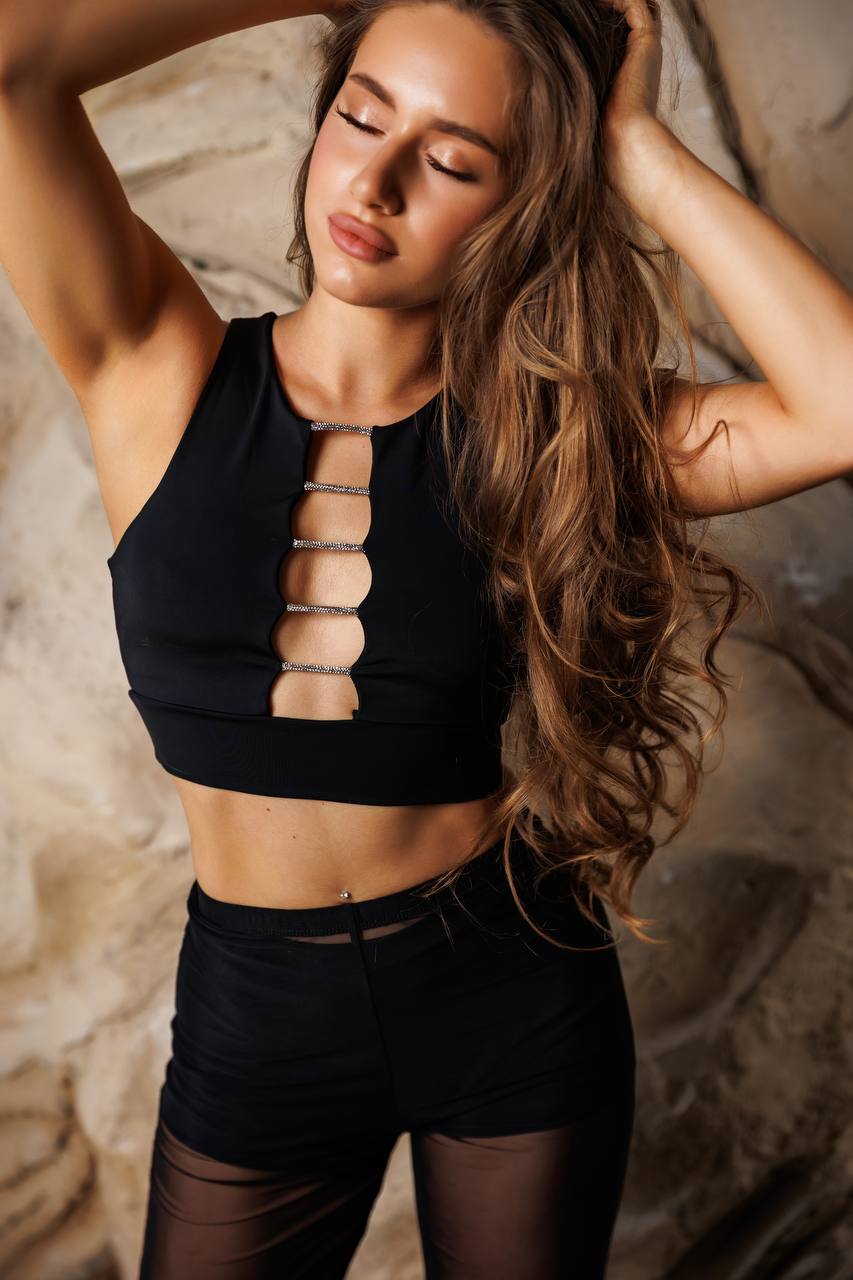
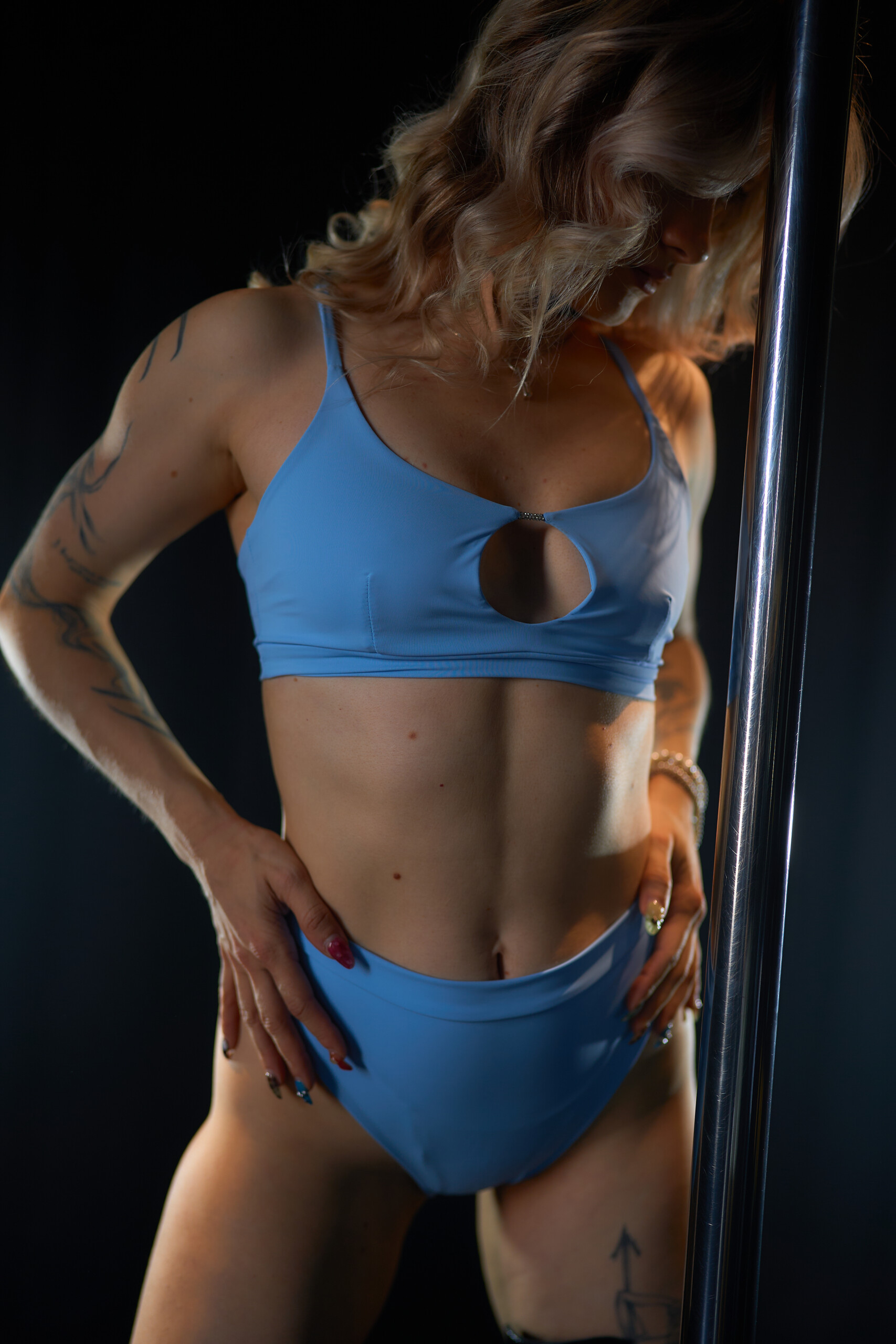
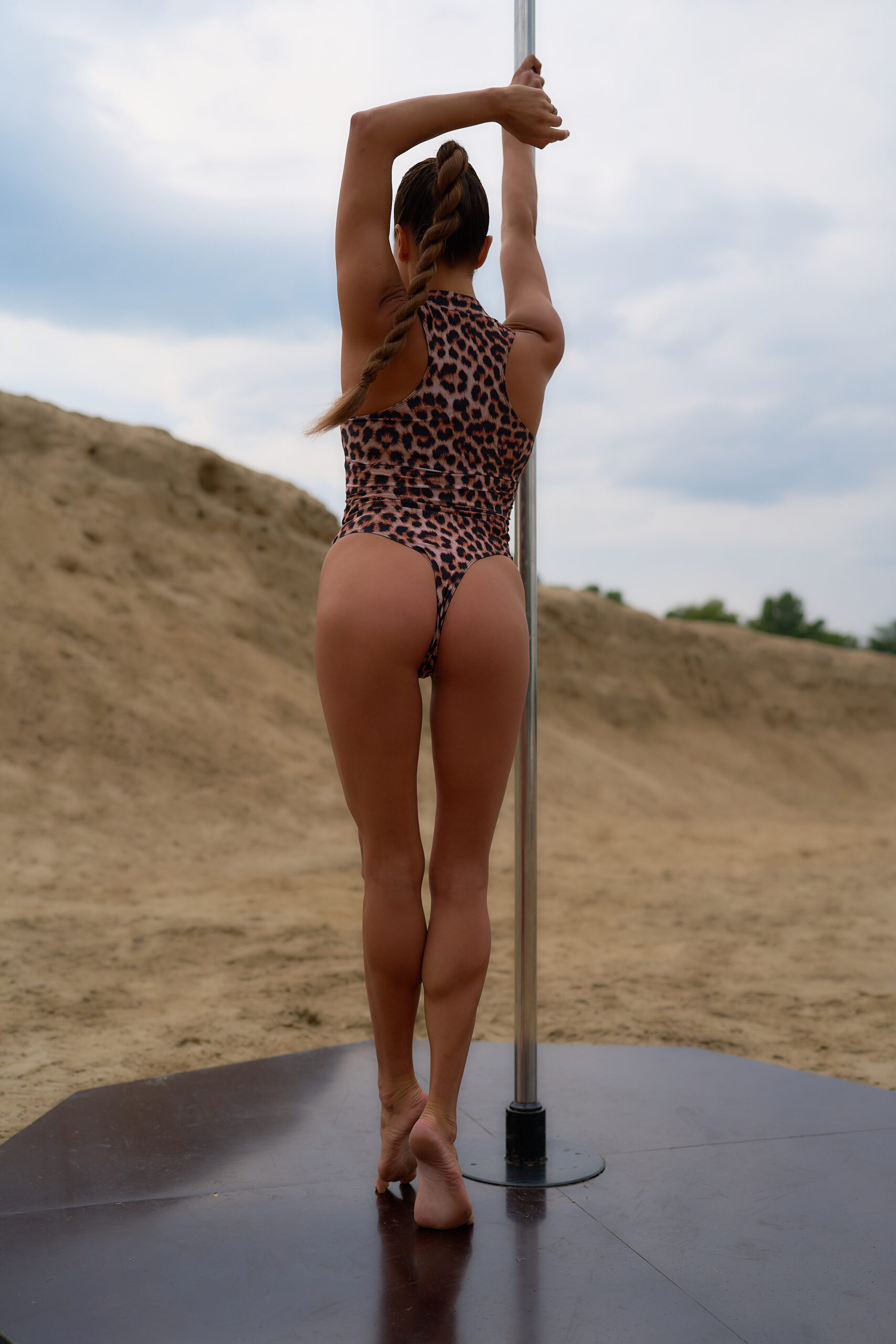
When you embark on this journey, equipping yourself with high-performance wear designed for training is just as important as selecting the right hardware. Freedom of movement and skin exposure are essential for achieving optimal contact points on any metallic surface. To prepare your wardrobe for every training session, explore the fresh designs in our New collection. Wearing properly fitted apparel ensures you can warm up comfortably while maximizing the skin-to-pole friction required to master your first inversion.
Understanding the Essentials: Why Pole Finish Matters
When trying to determine which pole to buy, many beginners focus solely on installation mechanisms or brand names, completely overlooking the fundamental physics of metal finishes. The surface material of a dance pole dictates the exact level of friction created when skin comes into contact with it. Different metals interact uniquely with humidity, ambient room temperature, natural body oils, and perspiration. A finish that feels perfectly secure in a warm studio might prove slick and unforgiving in a cooler home environment.
Furthermore, your individual skin chemistry plays a decisive role in determining the best pole for beginners. Dancers with naturally dry skin often struggle to find traction on smooth, polished surfaces, whereas those prone to sweat might find high-friction metals uncomfortably sticky or abrasive. Choosing a surface that complements your skin type drastically reduces the need for excessive grip aids and minimizes skin burn during intense floorwork transitions or slide maneuvers.
Beyond initial comfort, the durability and upkeep of your apparatus depend heavily on its material makeup. Certain metals are susceptible to tarnish, oxidation, or plating wear over prolonged periods of intense usage. Investing time in evaluating these surface properties ensures that your equipment remains safe, reliable, and visually appealing throughout years of rigorous training.
Chrome Poles: The Universal Studio Standard
Chrome finishes remain the most recognizable and widely accessible option across fitness studios worldwide. Known for its brilliant, mirror-like aesthetic, chrome is created by electroplating a fine layer of chromium onto a solid steel base tube. Because it represents the standard equipment in many professional environments, learning on chrome provides a familiar tactile experience that mirrors what you will likely encounter in group workshops or beginner level classes.
In terms of performance, chrome offers a balanced level of general grip suitable for a wide range of movements. It provides enough surface bite for static tricks while still allowing controlled slides and dynamic spins. However, chrome requires proper warming up before it delivers optimal stickiness. Cold chrome can feel surprisingly slippery, requiring dancers to spend extra time bringing the metal to room temperature through active practice or manual rubbing.
While chrome is frequently recommended when searching for the chrome vs brass pole ideal match, it has two key limitations: moisture sensitivity and plating durability. Moisture from sweat can quickly compromise grip on chrome, making frequent cleaning with isopropyl alcohol necessary. Additionally, over time or under extreme humidity, cheaper chrome plating can chip or peel, exposing the underlying steel. Dancers with severe nickel or metal allergies should also exercise caution, as nickel is often used beneath the chromium layer during the plating process.
Brass Poles: Maximum Friction for Ultimate Grip
Brass poles are widely celebrated in the pole community for delivering unmatched friction and security. Made from a solid copper-zinc alloy rather than a plated coating, brass features a porous micro-structure that naturally grips the skin far more aggressively than chrome or steel. For dancers who prioritize absolute stickiness during trick execution, brass is often considered a top contender for the best pole for beginners who struggle with slipping.
The primary advantage of brass lies in its exceptional thermal conductivity and surface texture. Brass absorbs heat from your hands and body rapidly, maintaining a warm, tacky feel even in chilly rooms. This warmth creates an incredibly secure lock for body-hold tricks, leg hangs, and climbing drills. Furthermore, because brass is a solid metal rather than a plated finish, there is no outer layer to chip or flake away over time, making it extraordinarily durable under continuous use.
However, the intense grip of brass comes with distinct trade-offs. The high coefficient of friction can make drop combinations, slides, and fast spin transitions painful, frequently causing skin burns or pinch marks on sensitive areas. Additionally, brass tarnishes quickly upon contact with skin oils and oxygen, developing a dark patina over time. To maintain its signature shine and golden appearance, dancers must commit to regular polishing with specialized brass cleaners.
Stainless Steel: The Hygienic, Hypoallergenic Powerhouse
Stainless steel represents the pure, industrial choice for dancers who value durability, hygiene, and low maintenance. Unlike chrome, stainless steel is a solid metal alloy with no surface plating, meaning it will never chip, rust, or peel regardless of humidity levels or heavy use. Its sleek, pristine appearance and robust resistance to environmental factors make it a staple in professional venues and home studios situated in humid coastal climates.
From a safety perspective, stainless steel is 100% hypoallergenic, making it the ideal solution for dancers with sensitive skin or nickel allergies who experience irritation on chrome. It is exceptionally easy to sanitize between training sessions, requiring only a simple wipe-down with rubbing alcohol to remove body oils and grip residue. Its ultra-smooth finish provides a consistent texture that supports fluid floorwork, seamless drops, and effortless spin transitions.
The main challenge beginners face with stainless steel is its raw grip level. Because the surface is non-porous and highly polished, it generally offers less natural bite than brass or warm chrome. Dancers using stainless steel must rely more on solid grip technique, muscle engagement, and appropriate grip aids rather than surface friction alone. However, mastering your form on stainless steel builds exceptional body conditioning and technique that translates effortlessly to any other pole material.
How to Decide: Matching the Metal to Your Needs
When evaluating chrome vs brass pole characteristics alongside stainless steel, the decision ultimate rests on three personal factors: skin chemistry, training environment, and long-term goals. If you live in a cold climate or naturally suffer from dry skin, brass provides the heat retention and surface bite necessary to feel confident during early training. If you live in a warm, humid area or deal with sweaty palms, stainless steel or high-grade chrome paired with effective grip towels will prevent excessive slipping.
It is also vital to consider the types of dance styles you intend to practice. Dancers focusing on trick-heavy fitness routines and static strength holds often prefer the intense traction of brass to minimize accidental slips. Conversely, those drawn to dynamic choreography, sensual floorwork, rapid drops, and fluid transitions often lean toward chrome or stainless steel to allow smooth skin glides without friction burns.
Ultimately, understanding which pole to buy comes down to balancing grip preference with maintenance commitment. Consider your personal sensitivities, studio setup, and budget. Whichever finish you select, establishing a consistent warm-up routine and wearing high-performance pole apparel will ensure that your home practice remains inspiring, safe, and immensely rewarding as you advance in your dance journey.
Rate this post