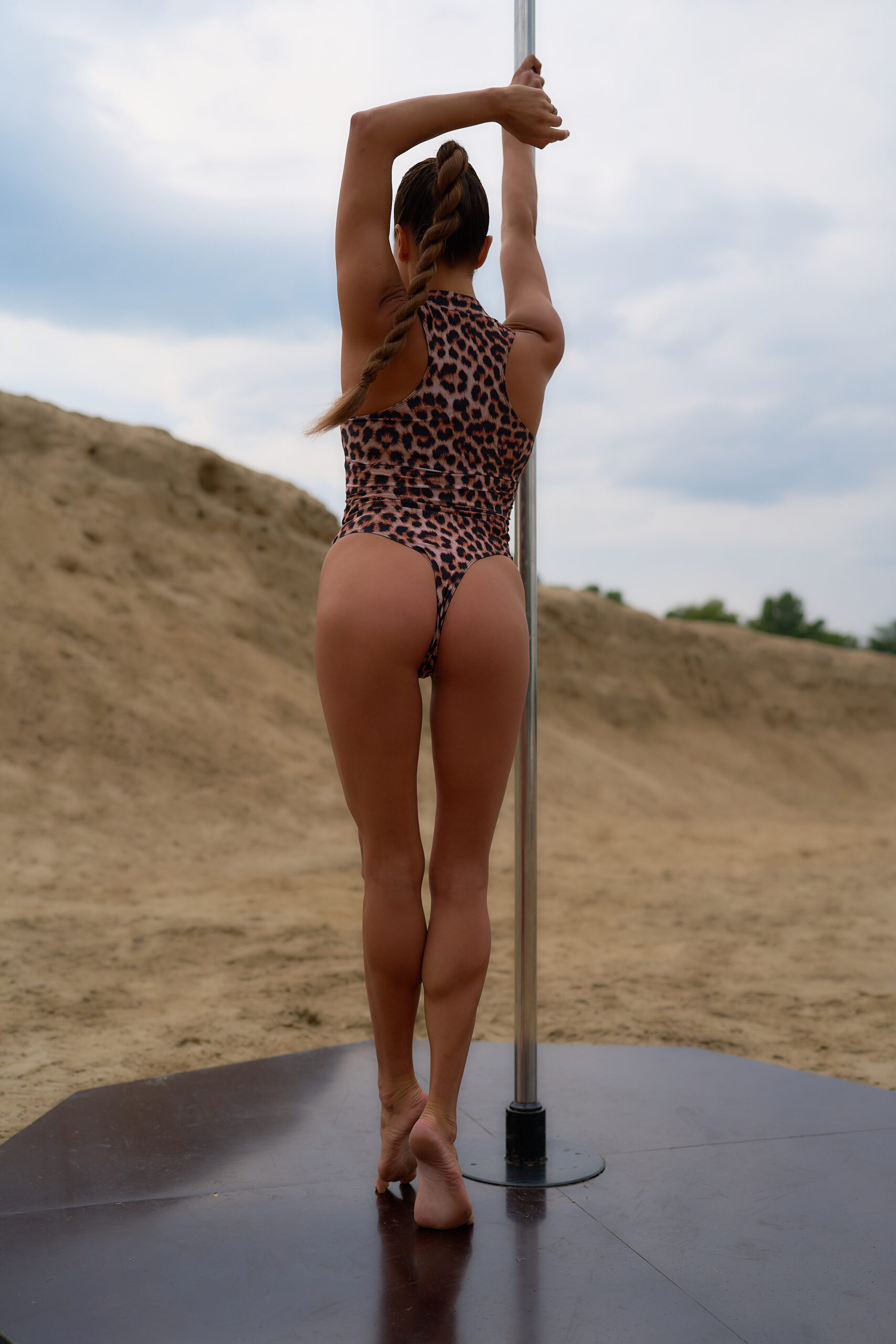
High Waisted vs Low Rise: Which Pole Shorts Fit Your Body Type Best?
When you are spinning, climbing, or executing a flawless invert, the last thing you want to worry about is your clothing shifting out of place. Choosing the right pole dance activewear is not just an aesthetic choice; it is a functional decision that impacts your grip, comfort, and overall confidence on the pole. The debate between high waisted and low rise styles is a classic one, with dancers fiercely loyal to the cut that serves them best.
Finding the perfect pair of pole dance shorts requires understanding how different cuts interact with your unique body shape. The right silhouette will accentuate your natural lines while providing the specific skin contact points needed for advanced grips. Whether you are aiming for a classic, athletic look or a bold, contemporary vibe, your shorts should feel like a second skin.
At ArtGo Sport, we design apparel that moves with you through every routine. Exploring our curated collections, such as the sleek options in our New Collection, will give you a clear view of how modern design meets athletic functionality. Let’s break down the mechanics of high waisted and low rise shorts to help you discover your ultimate studio match.
The Rise of High Waisted Pole Shorts
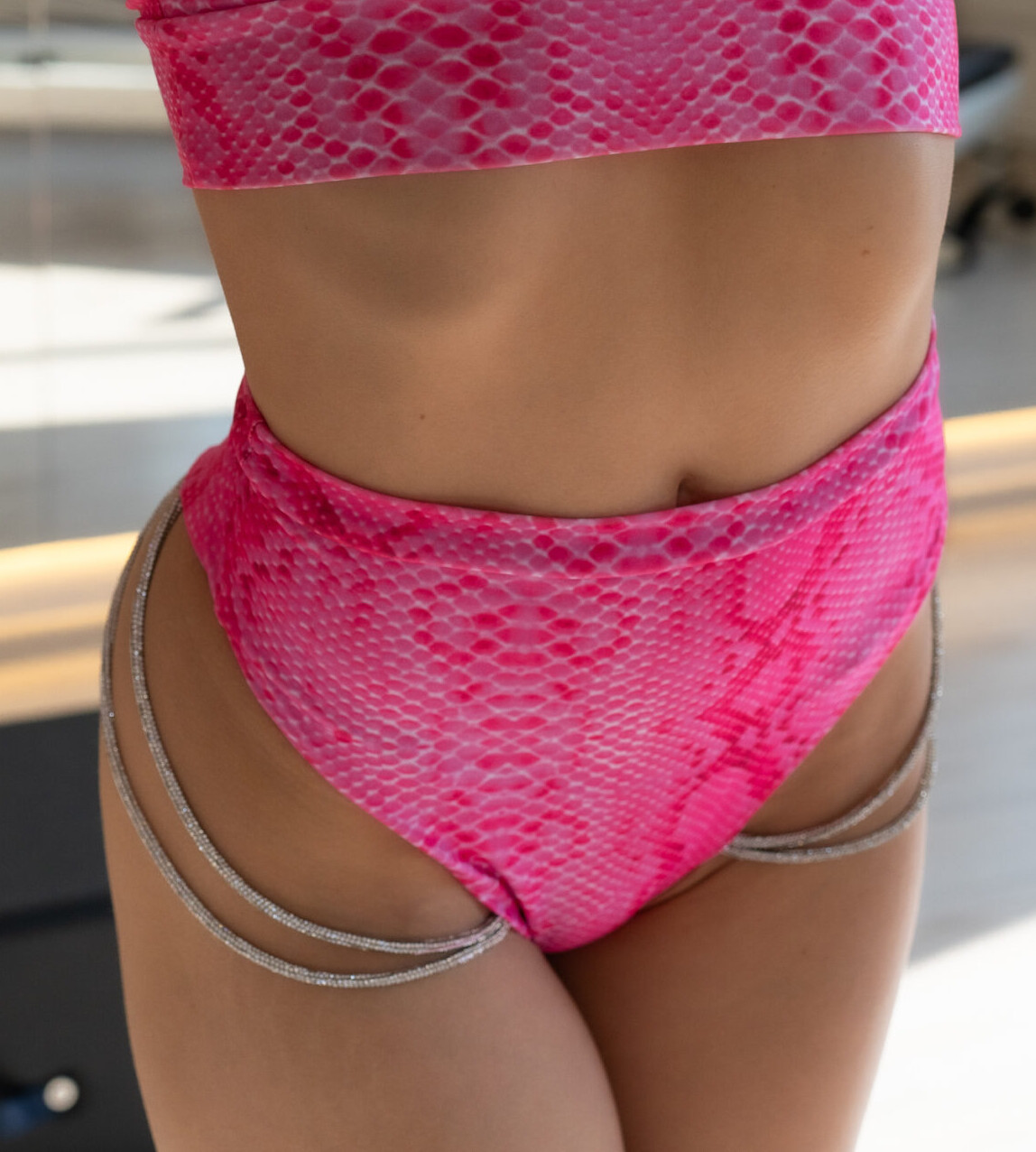
The popularity of the pole shorts high waisted cut is undeniable, and for good reason. This silhouette typically sits at or above the natural belly button, offering excellent core support and coverage. For many dancers, the gentle compression around the midsection provides a feeling of security, allowing them to focus entirely on their technique rather than adjusting their waistband.
Visually, high-rise cuts are incredibly flattering across a wide range of body types. By drawing the eye upward to the narrowest part of the waist, they create a classic hourglass silhouette and visually elongate the legs. This makes them a favorite for dancers with pear or hourglass shapes, as well as anyone who prefers a bit more torso coverage during intense transitions and floorwork.
However, the design is not just about aesthetics. High-waisted options offer unique practical advantages, particularly when performing moves that require lower-back or stomach contact with the pole. If you want to add an edgy, breathable element to this supportive style, exploring sheer panels like those found in our Mesh Collection offers the perfect balance of structural support and visual flair.
The Anatomy of the Low Rise Cut
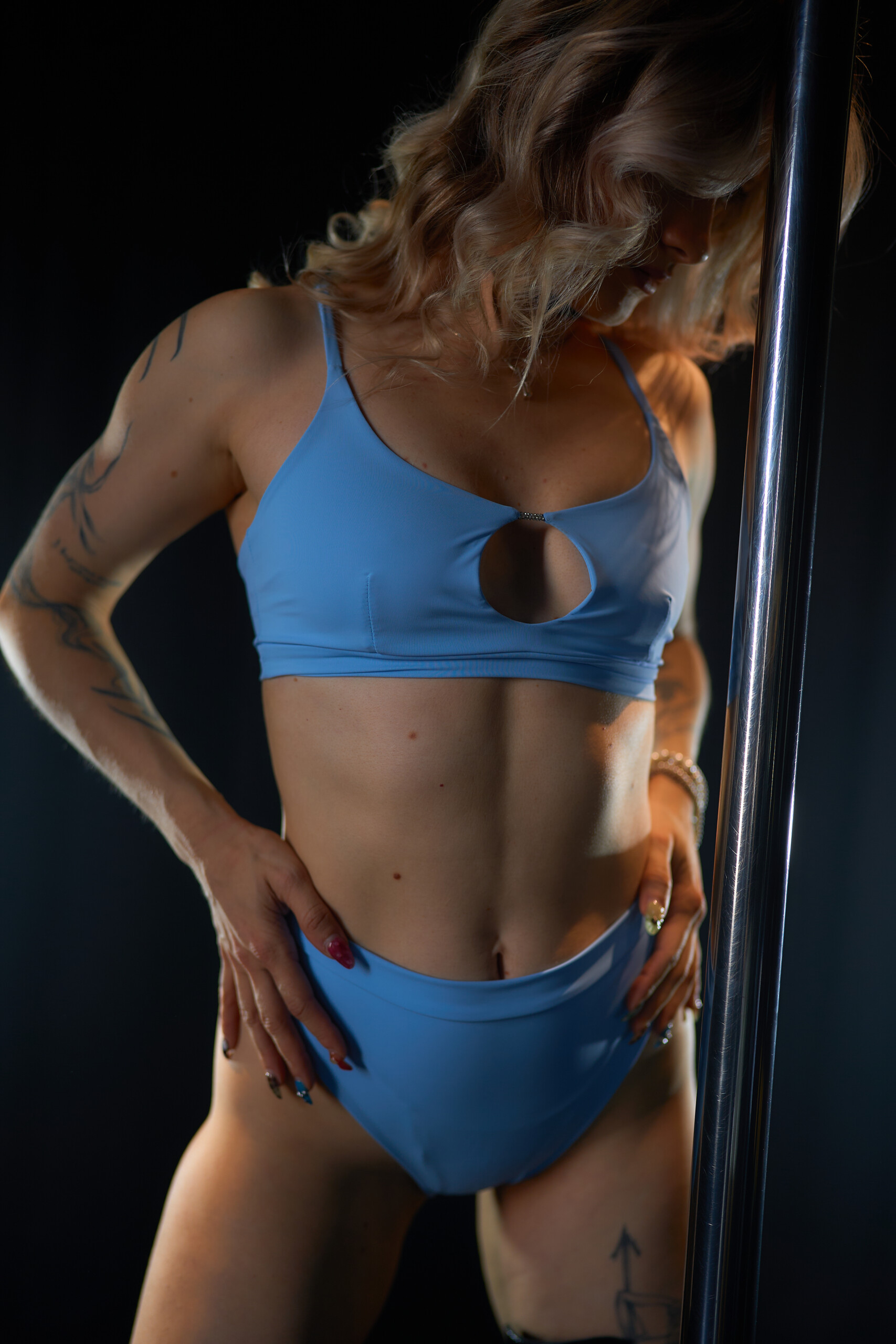
On the opposite end of the spectrum, low rise pole dance shorts sit firmly on the hips, well below the navel. This style is the traditional blueprint for pole fitness, engineered specifically for maximum skin exposure. When you are executing advanced grips like the Butterfly, Allegra, or Hip Hold, every inch of exposed skin on your torso and hips acts as vital traction against the metal.
Low-rise shorts are highly favored by dancers with athletic, rectangular, or inverted triangle body shapes. By sitting low on the hips, they break up a long torso and can add the illusion of curves around the hip line. This cut allows for complete freedom of movement without any fabric bunching or rolling down at the waist during deep backbends or intense conditioning.
Choosing a low-rise option does not mean sacrificing style or security. Modern low-rise patterns are crafted with specialized elastication to ensure they stay molded to your hips during complex inversions. If you appreciate clean, striking geometric lines that celebrate a minimal aesthetic, the pieces in our Okto Collection showcase how low and mid-rise cuts can elevate your training wardrobe.
Matching the Cut to Your Unique Body Shape
To truly optimize your performance and style, it helps to understand how these cuts interact with specific body geometries. If you have an hourglass or pear shape, high-waisted shorts hug your natural curves beautifully, preventing the gaping at the waist that sometimes happens with lower cuts. They secure your core and offer a seamless transition from hip to waist.
For those with an athletic, rectangular, or apple shape, both styles offer distinct benefits. A low-rise cut can emphasize your hip bones and create a visually distinct lower half, while a high-waisted cut can define a waistline and create longer, more fluid vertical lines. The key is finding the right rise height that aligns with your comfort levels and the specific tricks you are training.
Ultimately, your wardrobe should be versatile enough to accommodate different training days. Pairing your chosen bottoms with the right supportive top is essential for a balanced look. You can explore our dedicated range of Tops to find matching sets that complement either a high-waisted or low-rise aesthetic perfectly.
Functionality on the Pole: Grip and Mobility
Beyond visual appeal, the choice between high and low rise often comes down to the specific discipline of pole you are practicing. For exotic pole, floorwork, and liquid movement, high-waisted shorts offer protection against friction burns on the stomach and hips. They slide smoothly across the floor while maintaining a polished, elegant look.
Conversely, for technical trick training, pole sports competitions, and advanced climbing, fabric can sometimes be your enemy. If a move requires a secure hip lock or an intense side-grip, a high-waisted short might cover the exact patch of skin you need to stay safe. In these moments, low-rise apparel gives you the raw grip required to hold challenging poses with total confidence.
Many dancers find that a hybrid wardrobe serves them best, switching their style based on their daily lesson plan. If you are ready to update your practice gear, check out our full archive of premium Shorts to compare cuts, fabrics, and rises side by side.
Conclusion
There is no single “right” choice when choosing between high waisted and low rise pole shorts. The ideal pair is the one that makes you feel unstoppable, supports your body type, and provides the exact amount of skin contact your routine demands. By understanding how each cut functions, you can build a studio wardrobe that elevates both your performance and your personal style.
Rate this post