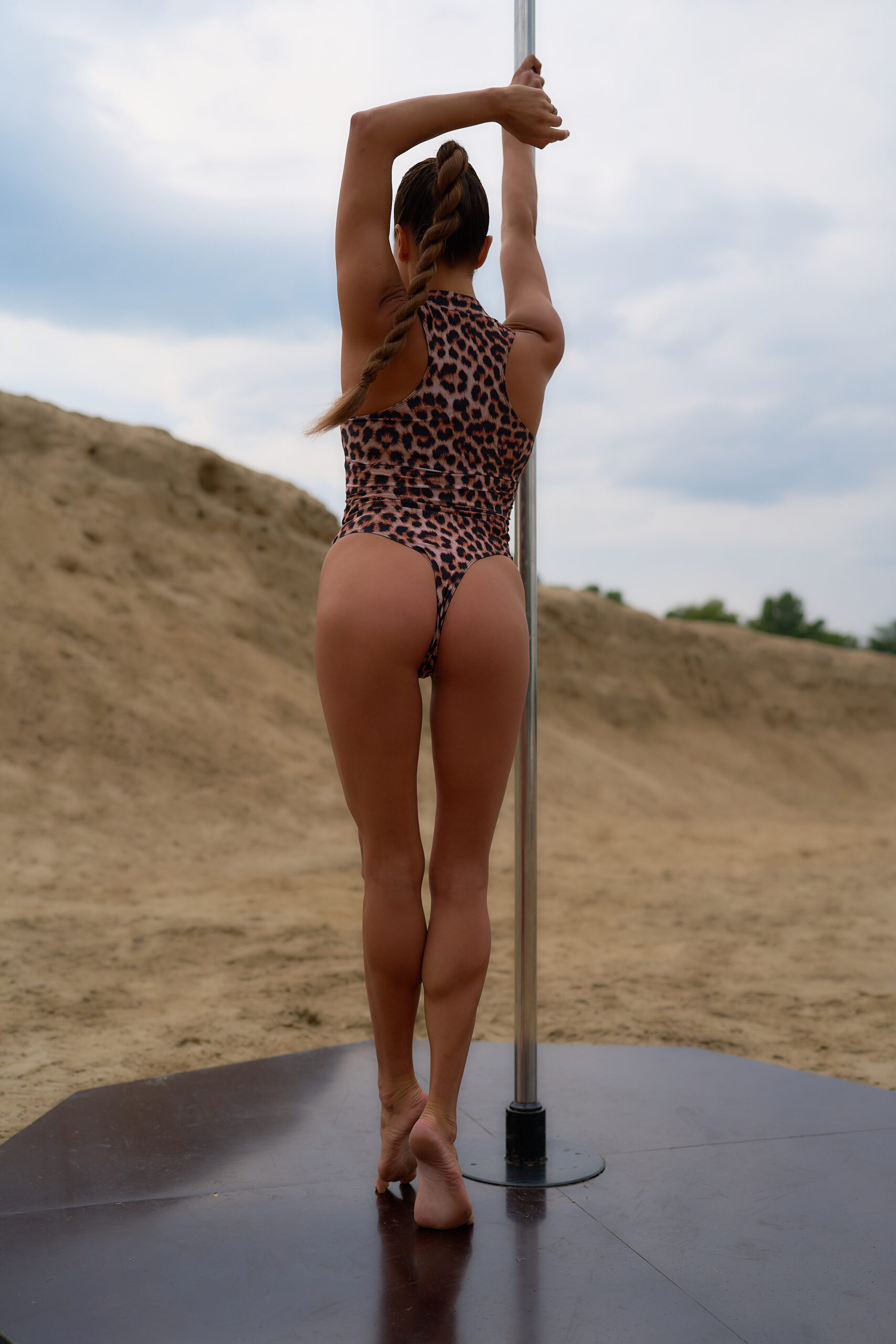
The Evolution of Pole Dance Apparel: What Dancers Actually Wear in 2026
The world of pole fitness has undergone an incredible transformation over the last decade. What once started as a niche fitness trend has matured into a globally recognized athletic discipline and a high-performance art form. Along with this shift in perception, the gear that dancers rely on has also fundamentally changed. Gone are the days when athletes had to settle for generic swimwear or basic gym clothes that failed to provide the necessary grip or flexibility. Today, specialized apparel is a multi-million-dollar industry focused on merging cutting-edge textile technology with high-fashion aesthetics.
As we move through 2026, the demands placed on activewear are higher than ever. Modern dancers are performing complex dynamic transitions, high-flying drops, and intricate floorwork combinations that require gear to act as a second skin. Security, durability, and fabric intelligence are now at the forefront of design. Dancers are no longer just looking for something that fits; they are seeking outfits that enhance their performance, protect their skin, and boost their confidence on and off the stage.
The progression of this specialized clothing highlights how the community has reclaimed its narrative, celebrating both the intense athleticism and the artistic expression of the sport. Brands have had to step up, moving away from mass production toward curated, high-quality collections that understand the unique biomechanics of pole movement. In this comprehensive guide, we will dive deep into what modern practitioners actually look for in their gear today and how the industry has adapted to meet these high standards.
The Shift from Basic Gym Wear to Advanced Pole Dance Fitness Clothes
In the early stages of the pole fitness movement, finding suitable clothing was a constant struggle for enthusiasts. Most practitioners had to repurpose traditional athletic wear or standard bikinis. However, standard yoga pants or running shorts cover too much skin, preventing the essential friction needed to grip the brass or chrome pole. Conversely, standard swimwear often lacked the structural integrity required to stay in place during upside-down inversions and high-velocity spins, leading to frequent wardrobe malfunctions and restricted movement.
As the discipline evolved into a recognized athletic pursuit, the necessity for dedicated pole dance fitness clothes became undeniable. Fabric manufacturers began engineering textiles specifically designed to withstand the friction and heat generated by sliding down a vertical pole. Today’s advanced apparel utilizes high-tech, four-way stretch synthetic blends that offer compression without restricting circulation. Moisture-wicking capabilities have also become standard, ensuring that sweat does not compromise a dancer’s safety or grip during intense training sessions.
Furthermore, modern designs incorporate strategic cuts that maximize skin contact at crucial grip points—such as the inner thighs, waist, and underarms—while maintaining structural support elsewhere. The rise of this specialized gear has empowered dancers of all levels to push the boundaries of what is possible, knowing their apparel is engineered specifically for the physical demands of their sport. This transition marks a shift from mere improvisation to a sophisticated market where performance and safety are seamlessly integrated.
Fabric Innovation and Aesthetic Trends in 2026
The year 2026 has brought a distinct wave of innovation in both aesthetic preferences and material composition. Dancers are moving away from overly flashy, single-use garments toward sustainable, multi-functional pieces that look just as exceptional in a professional studio video as they do during a grueling rehearsal. Recycled nylons and eco-friendly elastanes sourced from premium European suppliers have become highly sought after. These materials provide a luxurious sheen and unparalleled durability, maintaining their shape even after hundreds of wash cycles.
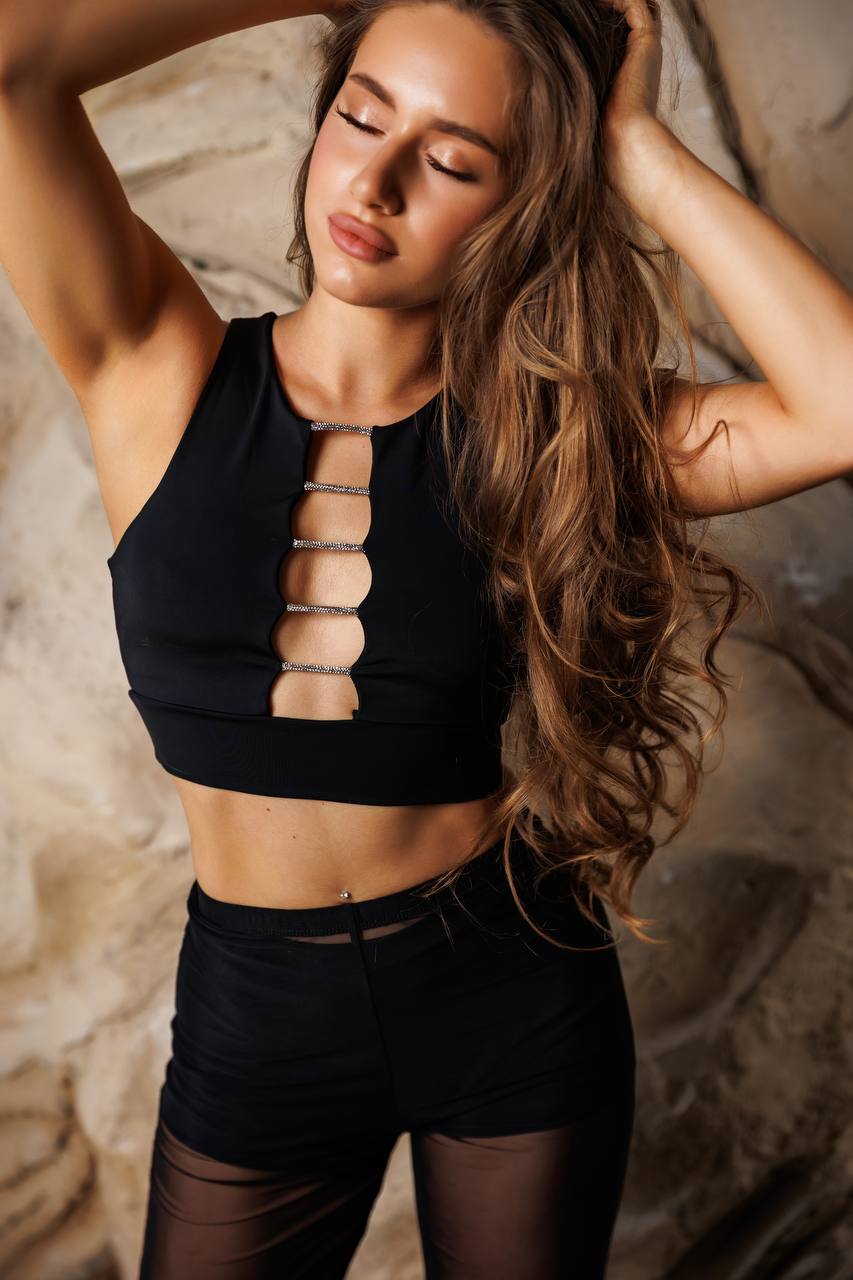
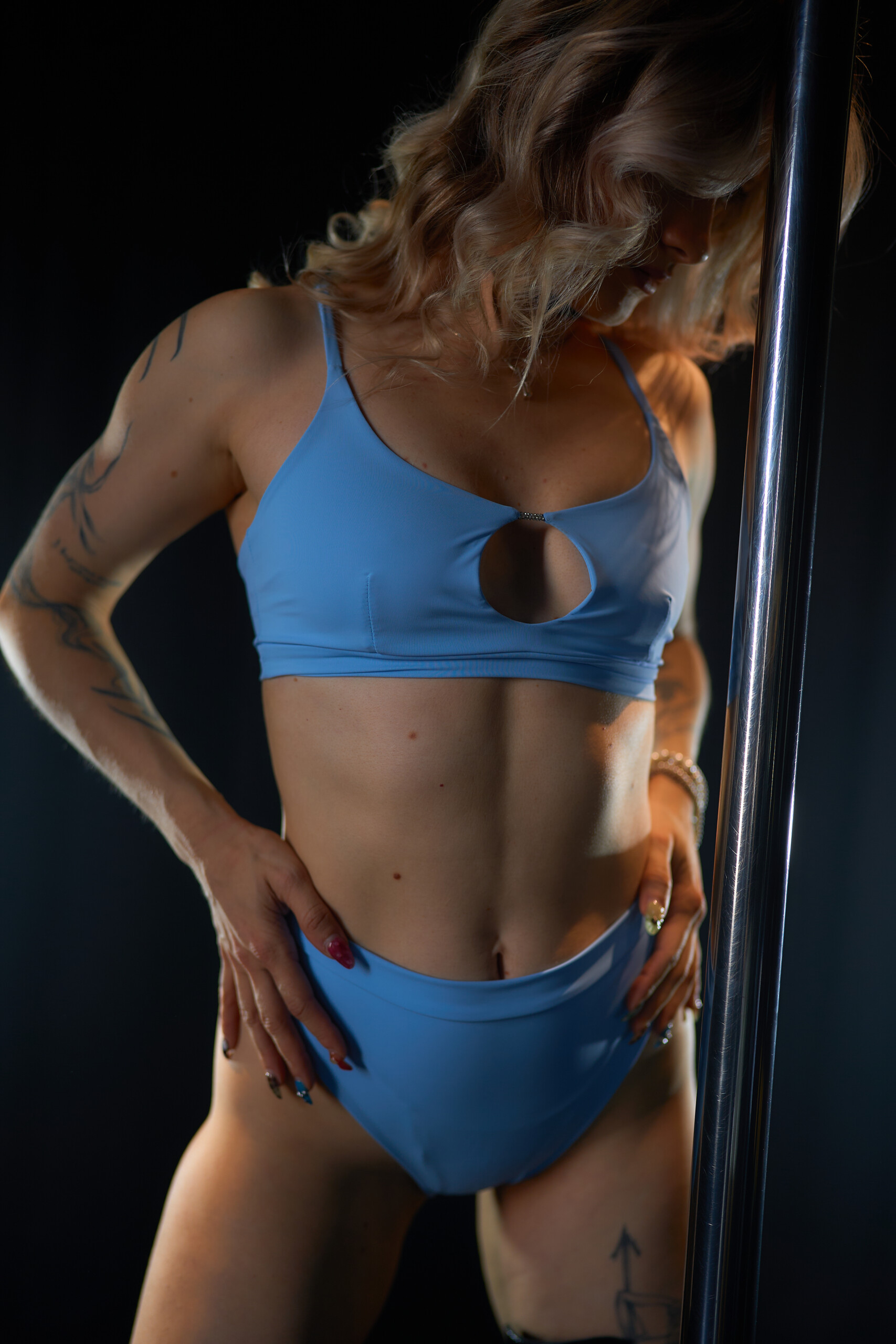
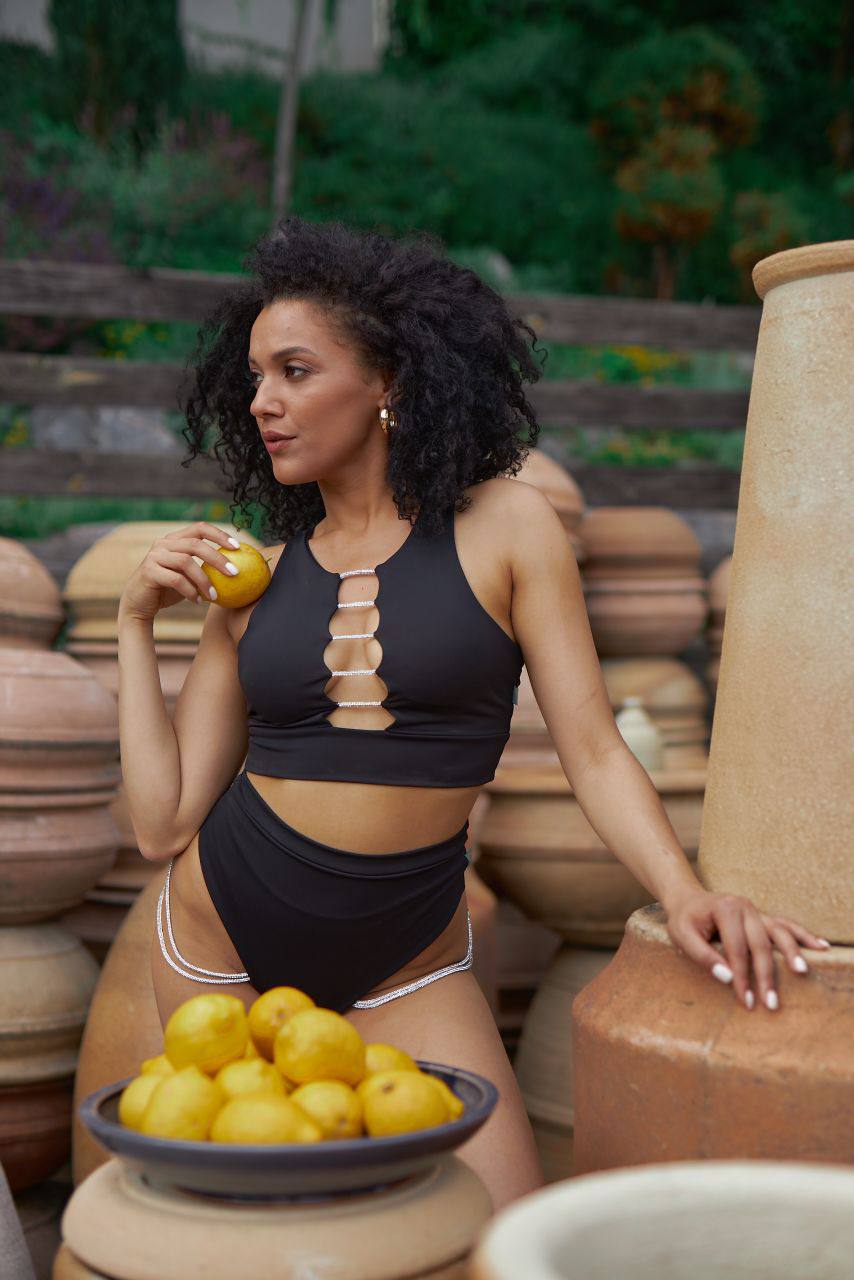
Visually, the current landscape is dominated by a blend of futuristic minimalism and dark, edgy undertones. Sheer elements, strategic paneling, and geometric cutouts are incredibly popular because they balance visual intrigue with functional skin exposure. To explore these latest trends firsthand, dancers can view the stunning options available in the ArtGo Sport New Collection, which perfectly encapsulates the contemporary aesthetic shift toward sleek lines and high-performance textures.
Texture play has also taken center stage this season. Monochromatic outfits are elevated through the contrast of matte and gloss finishes, or the inclusion of breathable, high-tensile mesh inserts. For instance, the popularity of the ArtGo Sport Mesh Collection demonstrates how transparency can be used defensively to outline body contours while providing extra ventilation. This thoughtful combination of sensory textures ensures that athletes do not have to choose between looking editorial and performing at their absolute peak.
Selecting the Best Pole Dance Brands for Longevity and Support
With the market expanding rapidly, identifying the best pole dance brands requires looking beyond attractive Instagram photography. High-quality pole wear must endure significant stress; it undergoes constant stretching, friction against metal poles, and frequent laundering to remove grip aids and sweat. A premium brand sets itself apart by investing in specialized manufacturing processes, such as flatlock stitching, which prevents chafing, and reinforced linings that ensure complete opacity during deep stretches.
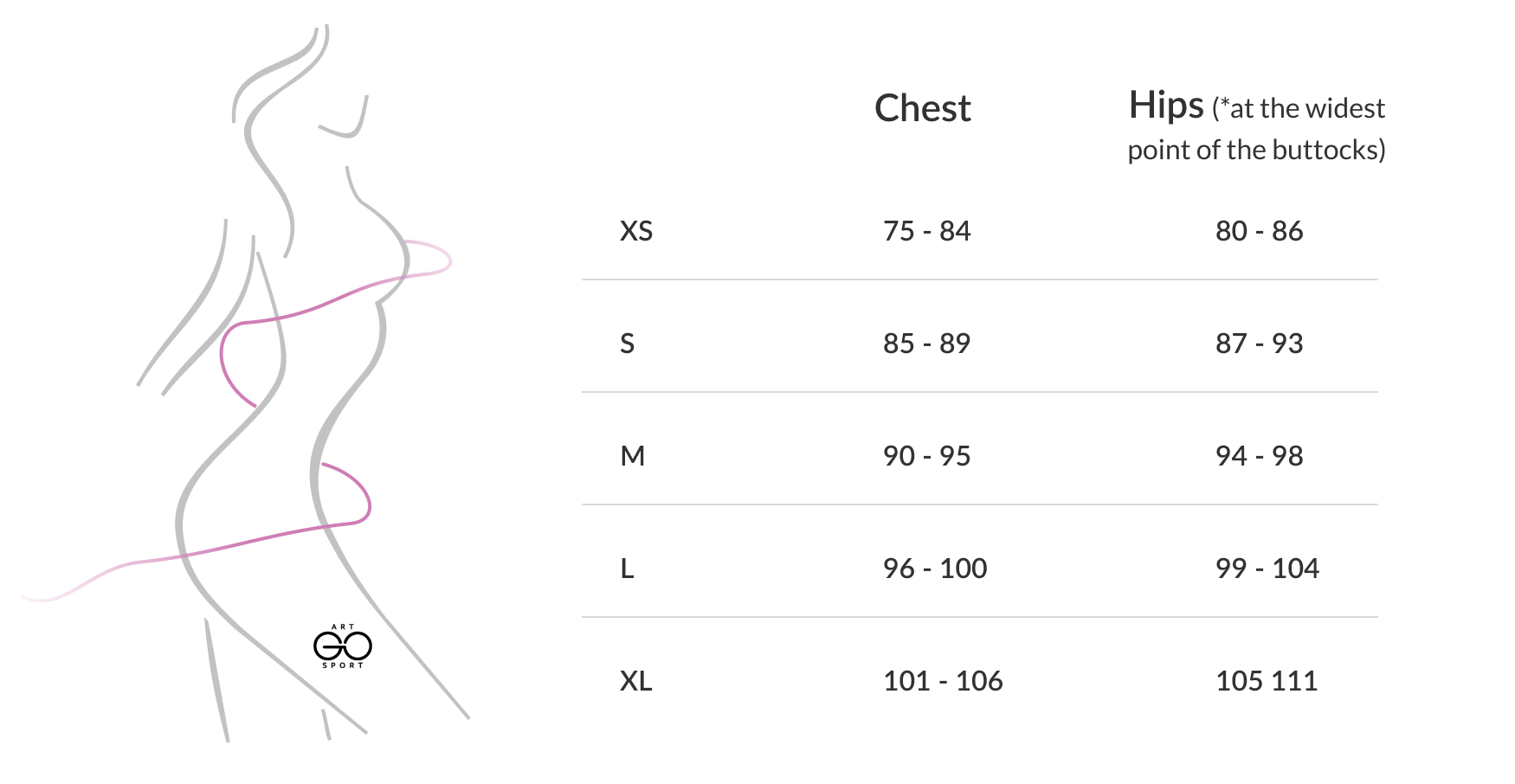
Top-tier brands also differentiate themselves by prioritizing precise, inclusive sizing tailored to the unique musculature of pole athletes. Dancers often develop broad shoulders, strong latissimus dorsi muscles, and muscular thighs, which rarely fit standard high-street clothing charts. The industry leaders are those that offer customizable options or design patterns based on real athletic measurements, guaranteeing that a top won’t slip or a waistband won’t roll down during an advanced dynamic combination.
When evaluating where to invest, look for companies that maintain direct partnerships with premium textile mills and maintain strict quality control. Elite brands focus on creating cohesive collections where pieces can be mixed and matched effortlessly. A prime example of this curated approach is the highly acclaimed ArtGo Sport Okto Collection, which has earned a reputation among professionals for its exceptional structural integrity, distinct branding, and sophisticated color palettes that endure the test of time.
Deconstructing the Essential Wardrobe: Tops and Shorts
To build a functional wardrobe, a dancer must understand the specific roles that different garments play. The foundation of any solid outfit begins with engineered pole dance apparel designed for specific movement types. Tops, for example, are no longer just simple sports bras; they are complex pieces of supportive engineering. A high-quality top must offer secure bust support, stay firmly in place during inverted poses, and leave the shoulders and upper back free for maximum skin contact and shoulder mobility.
Different choreography styles demand different coverage options. For power tricks and high-intensity training, a high-neck top with an elasticated underbust band provides the security needed to drop and flip without worry. Conversely, for exotic flow or contemporary routines, an open-back design with delicate but strong strapping might be preferred to highlight the lines of the back. Finding the perfect balance between style and function is easy when browsing through the diverse range of ArtGo Sport Tops, which cater to every stylistic and athletic requirement.
Equally important are the bottoms chosen for a session. Shorts must provide adequate coverage at the crotch area while exposing enough thigh skin for climbing and leg-hang variations. The rise of the shorts—whether high-waisted for core support or low-cut for maximum waist grip—depends entirely on personal preference and the specific tricks being practiced. High-waisted designs remain a favorite in 2026 for their ability to tuck the core and provide an elongated silhouette, as seen across the versatile selection of ArtGo Sport Shorts, which combine cheeky cuts with unparalleled functional stability.
Conclusion
The evolution of pole wear reflects the incredible growth of the pole dance community itself—moving from improvised solutions to a highly technical, fashion-forward industry. In 2026, the perfect outfit is a blend of advanced textile technology, intentional design, and personal expression. By choosing specialized garments that prioritize skin grip, durability, and ergonomic support, dancers can focus entirely on perfecting their craft, safe in the knowledge that their apparel will support them through every spin, climb, and inversion.
Rate this post