
The Global Pole Industry: Market Growth & Future Opportunities
The global pole dance and aerial fitness sector has transformed from a niche discipline into a rapidly expanding segment of the international fitness and performance market. Over the last decade, the global pole market has experienced steady development driven by the popularity of alternative fitness, social media exposure, competitive sports formats, and the growing demand for expressive training methods that combine strength, flexibility, and artistry. Today, pole training is no longer limited to studios or stage performers — it has become part of mainstream fitness culture in many countries.
One of the most notable aspects of pole dance industry growth is the diversification of the audience. What once attracted mainly dancers and performers now includes athletes, gym enthusiasts, yoga practitioners, physiotherapists, and even rehabilitation specialists. This expansion of the target audience has significantly increased demand for professional equipment, specialized apparel, and high-performance training environments designed specifically for pole athletes.
At the same time, the influence of the broader fitness market cannot be ignored. Many analysts connect the rise of pole sports with general fitness industry pole trends, where consumers are actively searching for workouts that are functional, visually engaging, and mentally stimulating. Unlike traditional gym routines, pole training offers a unique combination of strength training, mobility work, acrobatics, and choreography, making it highly attractive in modern wellness culture.
The Evolution of the Global Pole Market
The early development of the global pole market was closely connected to dance studios and performance schools, but the situation has changed dramatically. Today, the industry includes professional competitions, certified coaching systems, international federations, home training equipment, online education, and specialized sportswear manufacturing. This transformation shows that pole is no longer just an activity — it is an ecosystem.
Another factor that accelerated pole dance industry growth is the recognition of pole as a legitimate sport. International competitions, structured judging systems, and standardized training programs have created a more professional environment. As a result, athletes now require higher-quality equipment, safer poles, better grip technologies, and apparel designed specifically for performance rather than aesthetics alone.
The digital era also played a key role in expanding the fitness industry pole trends worldwide. Social media platforms allowed athletes to share tricks, tutorials, and performances, inspiring millions of people to try pole training. This visibility created demand in regions where pole studios did not previously exist, forcing the market to grow internationally rather than locally.
Key Drivers Behind Pole Dance Industry Growth
One of the strongest drivers of pole dance industry growth is the shift toward functional fitness. Modern athletes want workouts that improve real strength, coordination, and body control, not just appearance. Pole training naturally fits these expectations because it requires full-body engagement and progressive skill development.
Another important factor is the increasing popularity of boutique fitness studios. Small specialized studios are growing faster than large gyms in many countries, and pole studios fit perfectly into this trend. They offer community, personal coaching, and a unique training experience that cannot be replicated with standard gym equipment. This trend directly supports the expansion of the global pole market, especially in urban areas.
The third driver is the rise of performance-based fitness culture. People want to learn skills, not just burn calories. Whether it is calisthenics, aerial arts, gymnastics, or pole, skill-oriented training has become one of the biggest fitness industry pole trends of the last decade. This shift encourages long-term engagement, which makes the pole sector economically stable compared to short-term fitness fads.
Apparel, Equipment, and Technology in the Global Pole Market
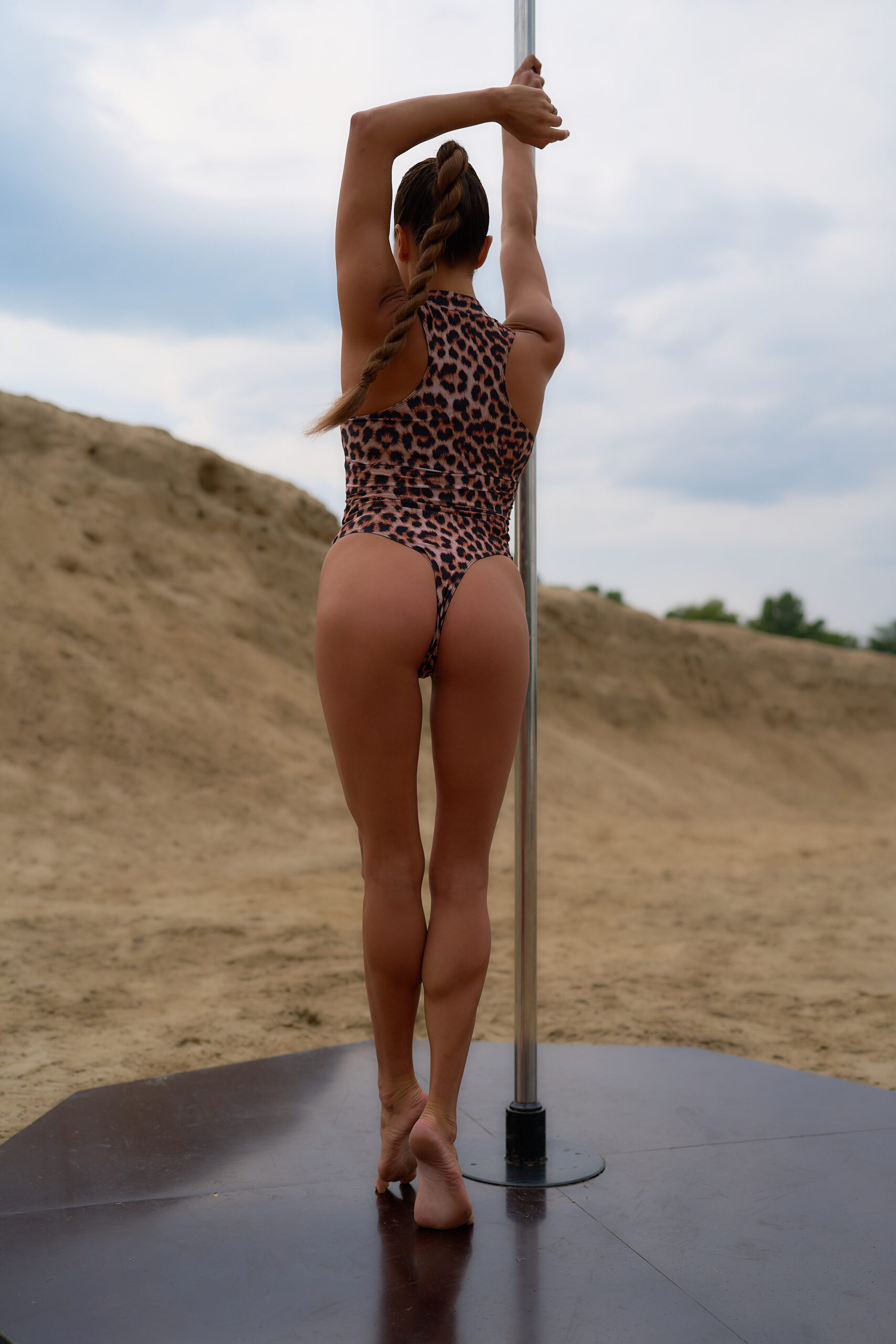
The growth of the global pole market is strongly connected to the development of specialized products. Unlike general sportswear, pole apparel must provide grip, flexibility, durability, and aesthetic appeal at the same time. This creates a separate category inside the sportswear industry, where design and performance are equally important.
Manufacturers have responded to pole dance industry growth by introducing new fabrics, silicone grip technologies, reinforced seams, and ergonomic cuts that allow maximum freedom of movement. Athletes now expect apparel to support difficult tricks, inversions, and dynamic spins without losing comfort or safety.
Technology also plays a major role in current fitness industry pole trends. Portable poles, home-training systems, crash mats, and online coaching platforms make the sport more accessible than ever. This accessibility expands the market beyond studios and allows beginners to start training without professional facilities, which significantly increases the number of participants worldwide.
Regional Expansion of the Global Pole Market
The global pole market is no longer dominated by a few countries. Europe, North America, Asia, and Australia all show strong demand for pole training, but the fastest growth is happening in developing fitness markets where alternative sports are becoming popular for the first time.
Eastern Europe has become one of the important regions for pole dance industry growth, thanks to strong gymnastics traditions and high interest in acrobatic sports. Many professional athletes and coaches come from this region, influencing global standards of performance and training methodology.
Asia is another key area shaping future fitness industry pole trends. In large cities, pole studios are opening as part of premium fitness clubs, dance academies, and wellness centers. The popularity of social media fitness culture in this region accelerates market growth and creates demand for high-quality apparel and equipment.
The expansion into new regions means that the industry is far from reaching its peak. As more countries adopt pole training as part of mainstream fitness, the size of the global pole market will continue to increase.
Competitive Sports and Professionalization
One of the most important stages in pole dance industry growth is the transition from entertainment to sport. Official competitions, ranking systems, and structured rules make pole more attractive to serious athletes and sponsors. This professionalization increases the need for standardized equipment, certified coaches, and performance-level apparel.
Professional competitions also influence fitness industry pole trends by setting higher expectations for athletes. Tricks become more complex, routines more athletic, and training more demanding. As the technical level rises, the market must respond with better products and safer training environments.
The development of youth divisions, amateur leagues, and international championships shows that the global pole market is building a long-term foundation similar to gymnastics, figure skating, or climbing. This structure ensures that the industry will continue to grow for many years.
Future Opportunities in the Global Pole Industry
The future of the global pole market looks promising because the industry still has large areas for expansion. One of the biggest opportunities lies in home fitness. As more people train at home, portable poles, online courses, and digital coaching platforms will become major parts of the market.
Another opportunity for pole dance industry growth is collaboration with other sports. Pole training is increasingly used in gymnastics, calisthenics, aerial arts, and even rehabilitation programs. This crossover allows the industry to reach audiences that never considered pole before.
Sustainability and innovation will also shape future fitness industry pole trends. Athletes are becoming more conscious about materials, production quality, and durability. Brands that focus on long-lasting products, ethical manufacturing, and performance fabrics will have strong advantages in the coming years.
Finally, the biggest opportunity is global recognition of pole as a full sport. If international federations continue to develop, the global pole market could reach the level of other established fitness disciplines, opening the door for sponsorships, broadcasting, and professional careers.
The modern global pole market is one of the most dynamic segments of the alternative fitness world. Strong pole dance industry growth, expanding international participation, and evolving fitness industry pole trends show that the discipline has moved far beyond its original niche. With new technology, professional competitions, and growing demand for functional training, the pole industry is entering a stage of long-term global expansion.
The next decade will likely bring even more innovation, new audiences, and higher standards, making pole not only a form of training but a complete international sport and lifestyle.
Rate this post