
Sticky & Safe: How to Choose the Right Grip Fabric for Your Pole Shorts
Navigating the dynamic world of pole fitness requires a delicate balance of physical strength, precise technique, and specialized activewear that supports your movement at every level. When executing complex tricks, seamless spins, or inverted poses, your skin-to-pole contact plays a fundamental role in keeping you secure. However, as the discipline has evolved, performance apparel has adapted to offer athletes enhanced traction, skin protection, and structural confidence through advanced grip technology. Selecting the right gear can transform your practice, allowing you to focus on your routine without worrying about slipping or sudden loss of friction during critical transitions.
Dancers often face unique challenges depending on climate, personal sweat levels, skin sensitivity, and the level of difficulty of their training routines. While bare skin traditionally offers necessary friction on chrome, brass, or stainless steel poles, environmental conditions such as cold studios or dry skin can compromise your stability. This is where modern specialized activewear intervenes to revolutionize training experiences. Understanding how specialized materials function empowers athletes to make informed choices that elevate both safety and aesthetic presentation.
When curating your training wardrobe, investing in purpose-built apparel makes a noticeable difference in long-term skill progression. Exploring modern options from the ArtGo Sport new collection allows dancers to access cutting-edge designs engineered specifically for high-intensity movement, optimal breathability, and reliable surface traction. Having the correct foundational pieces ensures that every session is both productive and secure, building confidence with every execution.
Understanding Pole Dance Grip Fabric and How It Works
At its core, pole dance grip fabric is a synthetic textile engineered with specific surface treatments—such as specialized silicone coating, vinyl micro-dots, or textured polyurethane layers—designed to create friction against polished metallic poles. Unlike standard athletic spandex or nylon, which often glides smoothly across metal, specialized grip textiles cling subtly to the pole surface without locking your body in a dangerous, non-releasable position. This subtle stickiness bridges the gap between total skin exposure and physical security, giving athletes the leverage required for complex climbs and holds.
The engineering behind these specialized fabrics focuses on replicating or enhancing natural skin friction under varying temperature conditions. Standard activewear fibers lack the tackiness needed for vertical suspension, leading to unnecessary muscle fatigue as dancers overcompensate by gripping harder with their hands or thighs. High-performance grip materials work by increasing the coefficient of friction between the garment and the metal, effectively reducing the physical load required to maintain balance and positioning during technical holds.
Furthermore, high-grade grip textiles are designed to maintain their structural integrity and friction capabilities even under repetitive friction and body warmth. Lower-grade sticky materials may peel, degrade, or leave unwanted residue on studio equipment after prolonged use. Premium options ensure smooth movement transitions while preserving the clean surface of the pole. Dancers looking for reliable performance options can browse our extensive selection of pole dance shorts to find pieces crafted with top-grade, durable fabrics designed for intensive daily practice.
The Evolution of Grip Fabrics: Silicone, Vinyl, and Textured Microfiber
The journey of grip technology in athletic apparel has undergone significant innovation over the past decade. Early iterations relied heavily on basic vinyl prints or heavy rubberized overlays, which, while sticky, were often rigid, non-breathable, and uncomfortable for long training sessions. Dancers often found that these early materials restricted natural skin flexibility, created heat buildup, and lacked the elastic recovery needed for dynamic fluid choreography.
Today, advanced silicone coatings and soft micro-dot technology dominate the market, delivering flexibility alongside reliable surface adhesion. Modern silicone prints are applied strategically to high-contact zones—such as the inner thighs, glute folds, and waistband areas—allowing the rest of the garment to remain fully stretchable and breathable. This targeted approach ensures that dancers receive friction exactly where it is needed without sacrificing the overall comfort or flexibility of the garment.
Additionally, modern hybrid fabrics incorporate breathable mesh panels alongside specialized sticky zones to regulate body temperature during grueling workouts. Combining functional grip with breathable design elements ensures high ventilation and visual elegance. Dancers seeking stylish yet functional balance frequently turn to mesh pole dance wear, which integrates sheer, high-stretch mesh inserts with strategic structural support, keeping you cool and mobile throughout every set.
Key Safety Benefits of Choosing the Right Grip Activewear
Safety is paramount in any aerial or pole discipline, where a sudden slip can lead to unexpected falls or muscle strain. Utilizing high-performance grip shorts significantly mitigates these risks by offering predictable traction during static holds and dynamic transitions. When training in colder environments or during initial warmup phases before skin temperature rises, specialized grip apparel offers instant adhesion, keeping your muscles warm and reducing warmup times.
Another key safety advantage is skin protection. Intense pole contact can lead to skin abrasion, bruising, and friction burns, especially when learning new drop techniques or prolonged thigh-gripping tricks like the seat, layback, or superman. High-quality grip shorts act as a protective barrier, absorbing friction and dispersing pressure across a wider surface area, thereby minimizing skin irritation without compromising stability.
Beyond physical protection, the psychological benefit of feeling secure on the pole cannot be overstated. When athletes feel confident in their clothing’s traction, they experience lower anxiety regarding accidental slipping. This psychological assurance enables dancers to execute technical moves with better form, refined alignment, and greater commitment, ultimately fostering faster skill acquisition and safer progression.
Why Fit Matters: The Power of High-Waisted Pole Shorts
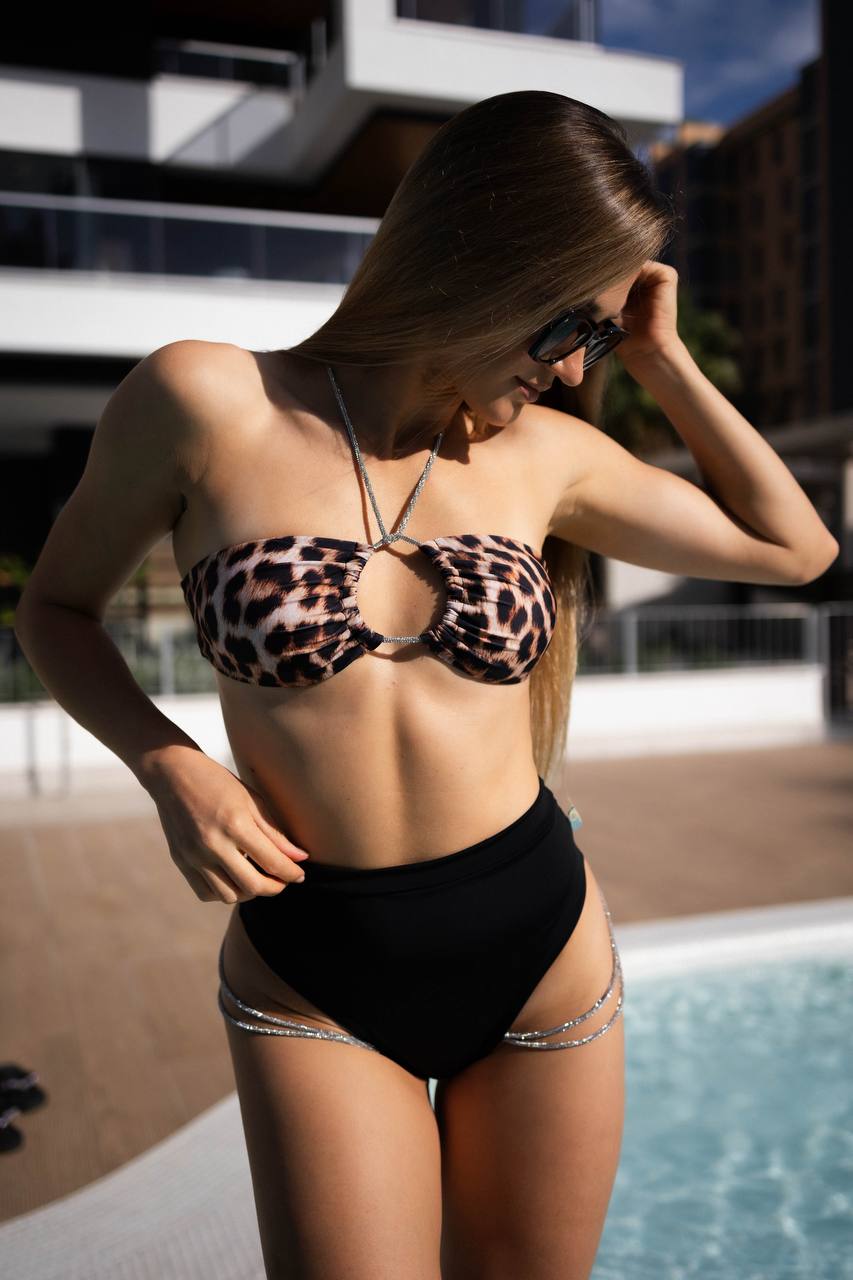
The cut and silhouette of your athletic wear directly impact both performance and safety. Selecting modern pole shorts high waisted styles provides essential benefits that go far beyond aesthetics. High-waisted designs offer vital support around the core, torso, and lower back, stabilizing the abdominal muscles during inversions and intense climbs. This compression effect aids posture alignment and reduces core fatigue during complex aerial routines.
Moreover, high-waisted cuts extend the gripping surface up to the waistline and mid-torso area. Many intermediate and advanced pole tricks—such as side saddles, brass monkeys, and stomach wraps—require contact with the abdominal and lower torso skin. High-waisted grip shorts equipped with sticky prints along the waist section deliver enhanced hold in these critical areas, allowing dancers to lock into poses with heightened control.
An equally important aspect of high-waisted construction is waistband security. Low-rise athletic bottoms can slide down during heavy movement or inversions, causing distractions and requiring constant manual adjustments. Premium high-waisted shorts feature wide, elasticated waistbands that stay firmly in place throughout rigorous routines. To experience complete structural support and bold design, explore the ArtGo Sport Okto collection, where high-waisted cuts are masterfully paired with ergonomic contours.
Selecting the Ideal Style and Size for Maximum Traction
Achieving optimal performance from your specialized apparel requires accurate sizing. Unlike relaxed lifestyle clothing, sticky athletic gear must fit like a second skin. If your shorts are too loose, the fabric will bunch up or shift against your skin when contact is made with the metal, rendering the sticky surface ineffective and potentially causing instability during holds.
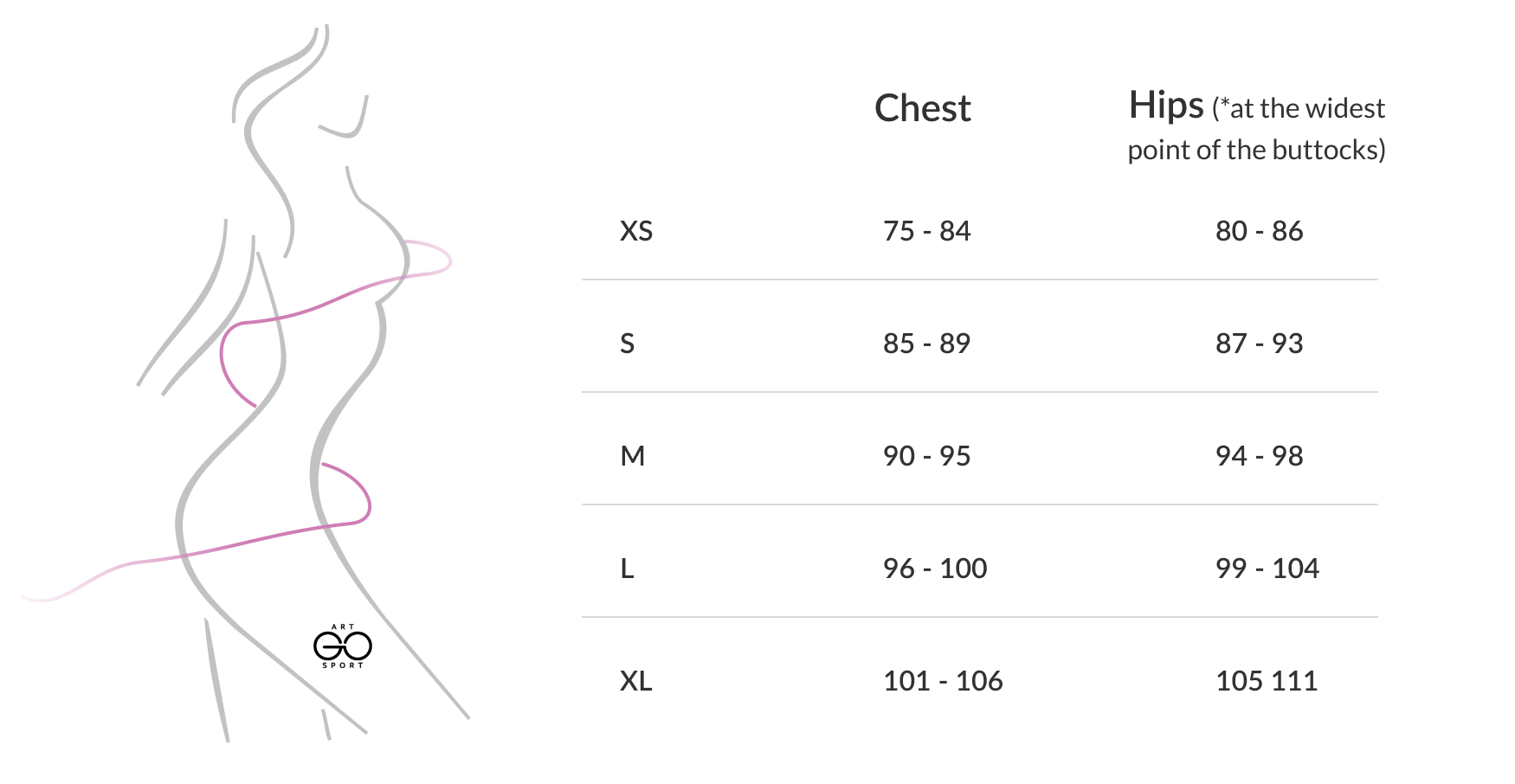
Conversely, selecting shorts that are excessively tight can overly stretch the fabric matrix, pulling the sticky silicone application too thin and reducing its effective contact surface. It can also cause discomfort, restrict natural hip mobility, and dig into the waist. Always consult precise sizing charts and measure your hips and waist accurately to achieve the tailored compression needed for high-level athletic movement.
When selecting your overall outfit, complete structural balance is achieved by matching your bottoms with supportive upper body wear. Pairing high-performance shorts with properly fitted pole dance tops ensures complete freedom of movement in the shoulders and upper back while maintaining overall outfit stability. Coordinated sets not only enhance visual presentation but also optimize body alignment during training.
Caring for Your Grip Apparel to Preserve Stickiness and Elasticity
Proper maintenance is essential to extend the lifespan and stickiness of specialized pole dance shorts. Friction coatings and silicone applications require delicate care to maintain their adhesive qualities over time. Standard laundry practices, such as washing in hot water or using harsh commercial detergents, can degrade silicone bonds and cause sticky patterns to lift or peel away from the base fabric.
Always wash your specialized grip garments inside out in cold water, preferably using a gentle machine cycle or hand washing. Use mild liquid detergents and avoid bleach, fabric softeners, or harsh stain removers. Fabric softeners leave a chemical coating over fibers that severely impairs both moisture-wicking properties and surface stickiness, leaving your apparel slippery rather than tacky.
Air drying is vital for preserving elastic fibers and sticky prints. Never expose your grip shorts to high heat in tumble dryers or direct sunlight for extended periods, as heat breaks down elastane and damages silicone layers. Instead, lay your garments flat or hang them in a shaded, well-ventilated space. By following these care steps, your athletic wear will retain its elasticity, structural shape, and superior grip session after session.
Conclusion
Choosing the right grip fabric for your pole shorts is a transformative decision that directly impacts your performance, safety, and confidence in the studio. By understanding how specialized textiles generate friction, selecting ergonomic cuts like high-waisted silhouettes, and caring for your garments properly, you equip yourself for success at every stage of your pole journey. Premium gear allows you to push boundaries, master intricate tricks, and express your creative artistry without compromising on stability or skin protection.
Whether you are a beginner looking for added security during your first climbs or an advanced dancer seeking reliable stability for complex aerial routines, purpose-built athletic wear is an investment in your athletic growth. Elevate your practice today by exploring the full range of high-performance wear available at ArtGo Sport, engineered specifically to support your strength, style, and passion for movement.
Rate this post