The Restorative Pole: The Role of Sleep in Pole Dance Performance and Muscle Growth
When we think about progressing in pole dance, our minds immediately fly to hours spent inside the studio, exhausting conditioning drills, and the painful process of skin desensitization. We celebrate the grind, the bruises, and the sweat, treating them as badges of honor on our athletic journey. However, sports science tells a completely different story about where the real transformation actually happens. Your muscles do not grow while you are hanging upside down on the brass tube; that is merely the stimulus that tears them down. The real magic of hypertrophy, neurological adaptation, and tissue repair happens when you are fast asleep in your bed.
For a long time, aerialists treated recovery as an afterthought, perhaps stretching for five minutes at the end of a class or sitting in a hot bath. But as pole dance continues its rapid evolution into a highly demanding professional sport in 2026, training paradigms are shifting toward a more holistic view of human performance. Sleep is no longer seen as a luxury or a sign of laziness; it is now recognized as the ultimate legal performance-enhancing strategy available to the modern aerial athlete. Without it, your strength plateaus, your risk of acute injury skyrockets, and your mental focus dulls, making high-altitude inversions dangerous.
In this comprehensive, data-driven guide, we will dive deep into the physiological relationship between circadian rhythms, deep sleep stages, and aerial sports longevity. We will analyze how sleep deprivation undermines your hard work, how hormonal spikes during the night rebuild your grip strength, and how your outfit choices can indirectly optimize your recovery environment. It is time to stop looking at sleep as a break from your training schedule and start viewing it as the most critical block of your daily athletic development program.
The Physiology of Sleep and Muscle Recovery on the Pole
To understand the profound connection between sleep and muscle recovery pole athletes must look closely at what happens during the non-rapid eye movement (NREM) stage of sleep, specifically stage 3, often known as deep sleep. During this critical window, your brain slows down, and blood flow shifts away from your cerebral cortex toward your skeletal muscles. This extra blood delivery carries vital oxygen, amino acids, and nutrients directly to the micro-tears created in your lats, shoulders, and core during heavy training sessions. It is the only time your body can focus 100% of its resources on structural rejuvenation.
Furthermore, deep sleep is the prime time for the endocrine system to release Human Growth Hormone (HGH). Nearly 70% of daily HGH secretion in adults occurs during these deep sleep cycles, prompting cellular reproduction and tissue repair. For a pole dancer, this hormonal surge is what allows the body to repair the micro-trauma caused by eccentric loading during dynamic drops or heavy lifting transitions like the iron X. If you constantly cut your sleep short, you miss out on these vital hormonal waves, which leads to chronic muscle soreness and limits your physical progress.
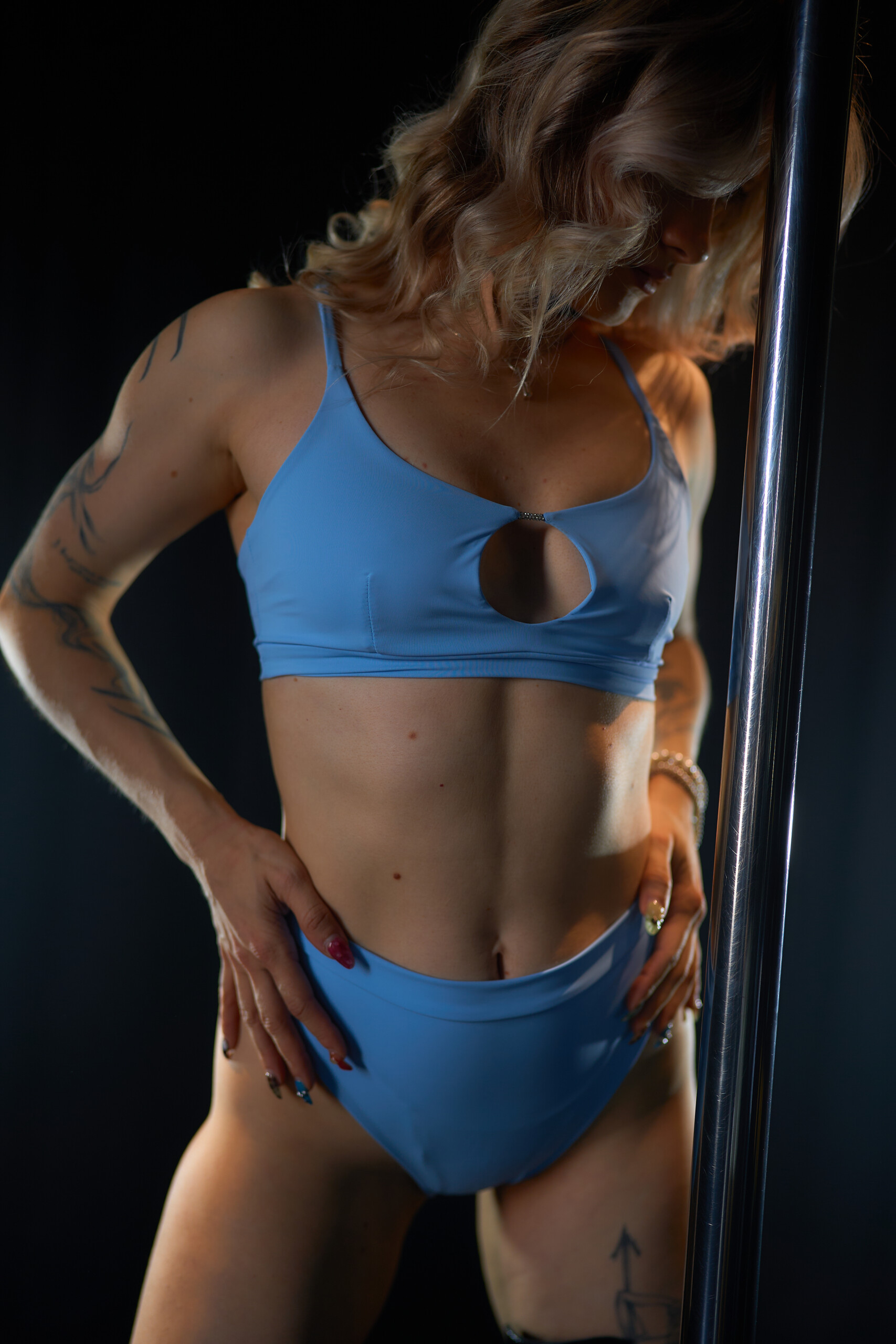
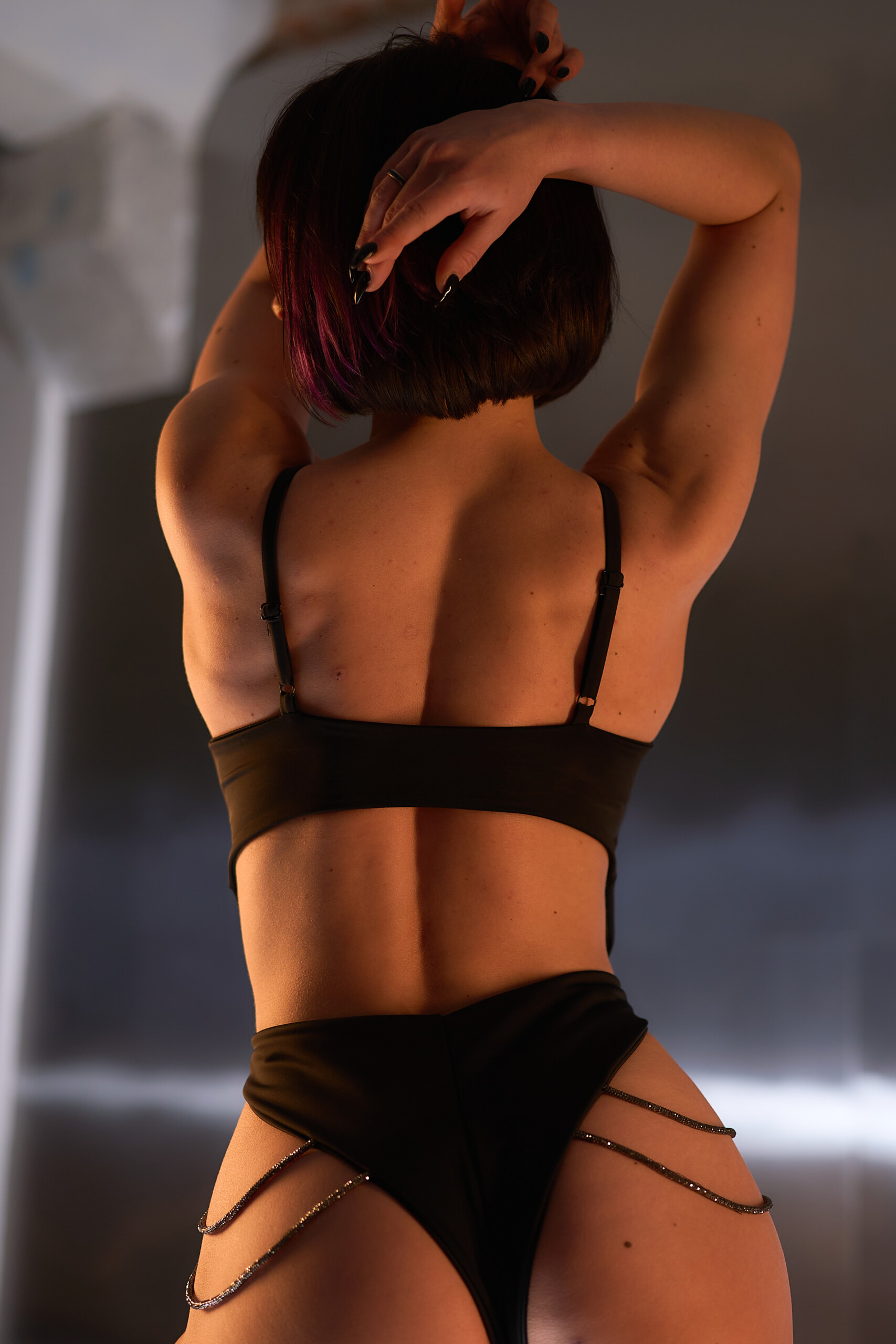
While your internal biological systems are working hard to repair tissue over long hours of rest, preparing your body for the next day’s physical demands requires tactical choices during awake hours too. Wearing restrictive, poorly designed gear during intense daytime training can create unnecessary myofascial restriction and skin irritation, compounding the recovery load your body must fix at night. Smart dancers alleviate unnecessary stress by selecting items from an ergonomically sound pole dance shorts collection, ensuring that daytime movement remains fluid and skin trauma is minimized. When your training gear works with your anatomy rather than against it, your body has less structural damage to repair during deep sleep.
Neuroplasticity, Muscle Memory, and Spatial Orientation
Beyond pure muscle building, sleep plays a monumental role in the neurological adaptations required for complex aerial movements. Pole dancing is an incredibly cognitive sport; it demands high levels of spatial awareness, quick adjustments to spin speeds, and the mental mapping of inverted body positions. When you learn a new trick—such as a phoenix regrip or a tricky static flip—your brain creates temporary neural pathways. It is during the rapid eye movement (REM) stage of sleep that the brain consolidates these temporary pathways into permanent muscle memory.
During REM sleep, your brain essentially replays the movements you practiced during the day, organizing the data and turning chaotic attempts into smooth, automated skills. This explains a phenomenon many dancers experience: struggling with a trick all day, getting a full night’s sleep, and magically nailing the movement on the first try the next morning. Sleep deprivation robs your brain of this consolidation window, meaning you waste precious studio hours repeating mistakes and fighting your own motor control center.
A well-rested brain also means better reflex speeds and a higher pain threshold during challenging training blocks. When you step into a demanding choreography session with full focus, your clothing choices shouldn’t disrupt that flow either. Advanced dancers often look for lightweight options like breathable mesh pole wear to stay comfortable during long technical sessions, keeping their minds focused entirely on spatial orientation. By pairing a well-rested nervous system with distraction-free apparel, you unlock a state of flow where complex tricks become natural and intuitive.
Optimizing the Performance Recovery Pathway for Pole Dancers
Achieving a high level of performance recovery pole dance excellence requires a strategic approach to sleep hygiene, matching the discipline you bring to the studio. Your sleep environment must be treated like an athletic recovery zone: cool, dark, and completely quiet. The production of melatonin, the hormone that triggers sleepiness and kickstarts full-body recovery, is easily disrupted by blue light from smartphones and laptops. Turning off screens at least an hour before bed and introducing a relaxing wind-down routine can significantly increase the time you spend in deep restorative sleep.
Additionally, nutrition timing plays an important role in how well your body recovers overnight. Consuming a slow-digesting protein, such as micellar casein or a plant-based alternative, before going to sleep ensures a steady supply of amino acids throughout the night, preventing muscle breakdown during fasting hours. Hydration is equally critical; however, pole athletes must balance their fluid intake to avoid waking up in the middle of the night, which disrupts natural sleep cycles and cuts off the continuity of deep NREM stages.
The concept of professional recovery also applies to how you manage your body temperature right before bed and right after waking up. Taking a warm shower before sleep helps lower your core body temperature, which signals to your brain that it is time to rest. During the day, keeping your muscles warm during training transitions is just as important for longevity. Investing in premium pieces from a highly functional pole dance tops range helps maintain muscle temperature during studio breaks, preventing cramping and stiffness. This creates a seamless loop of smart protection during the day and deep recovery at night.
The Dark Side of Sleep Deprivation: Injury Risk and Overtraining
When looking at the necessity of sleep for athletes pole dancers must face the cold reality of what happens when sleep is chronically neglected. Studies across various sports show that athletes who get fewer than eight hours of sleep per night have a significantly higher risk of sustaining an injury compared to those who get adequate rest. In pole dance, where a single slip or a mistimed grip can result in a dangerous fall from a high altitude, a lack of focus caused by exhaustion can have severe consequences.
Sleep debt leads to a major drop in grip endurance, slower reaction times, and reduced stabilization in the rotator cuff muscles, which are the primary line of defense against shoulder injuries. Furthermore, chronic sleep deprivation raises baseline cortisol levels—the body’s primary stress hormone. Elevated cortisol suppresses immune function and activates catabolic pathways, meaning your body begins breaking down muscle tissue for energy rather than building it. This creates a dangerous path toward overtraining syndrome, where you feel weaker despite working harder.
To combat this downward spiral, athletes must learn to listen to their bodies and wear gear that allows for easy visual inspection of skin health and muscle alignment. When tracking physical fatigue during tough training cycles, using structural designs from an avant-garde okto pole collection gives coaches a clear view of your shoulder alignment and posture, making it easier to spot fatigue before an injury happens. If your sleep has been poor for several days, it is far wiser to scale back to a low-intensity flexibility or floorwork session rather than forcing high-risk aerial drops.
Future-Proofing Your Pole Journey Through Strategic Rest
As we look toward the future of aerial sports, the dancers who enjoy long, successful careers will be the ones who manage their energy and recovery with precision. Every elite training program must treat sleep as a non-negotiable metric, tracking it alongside training hours, reps, and sets. When you start honoring your body’s natural need for sleep, you will notice a huge improvement in your power output, an increase in lean muscle mass, and a renewed sense of creativity in your choreography.
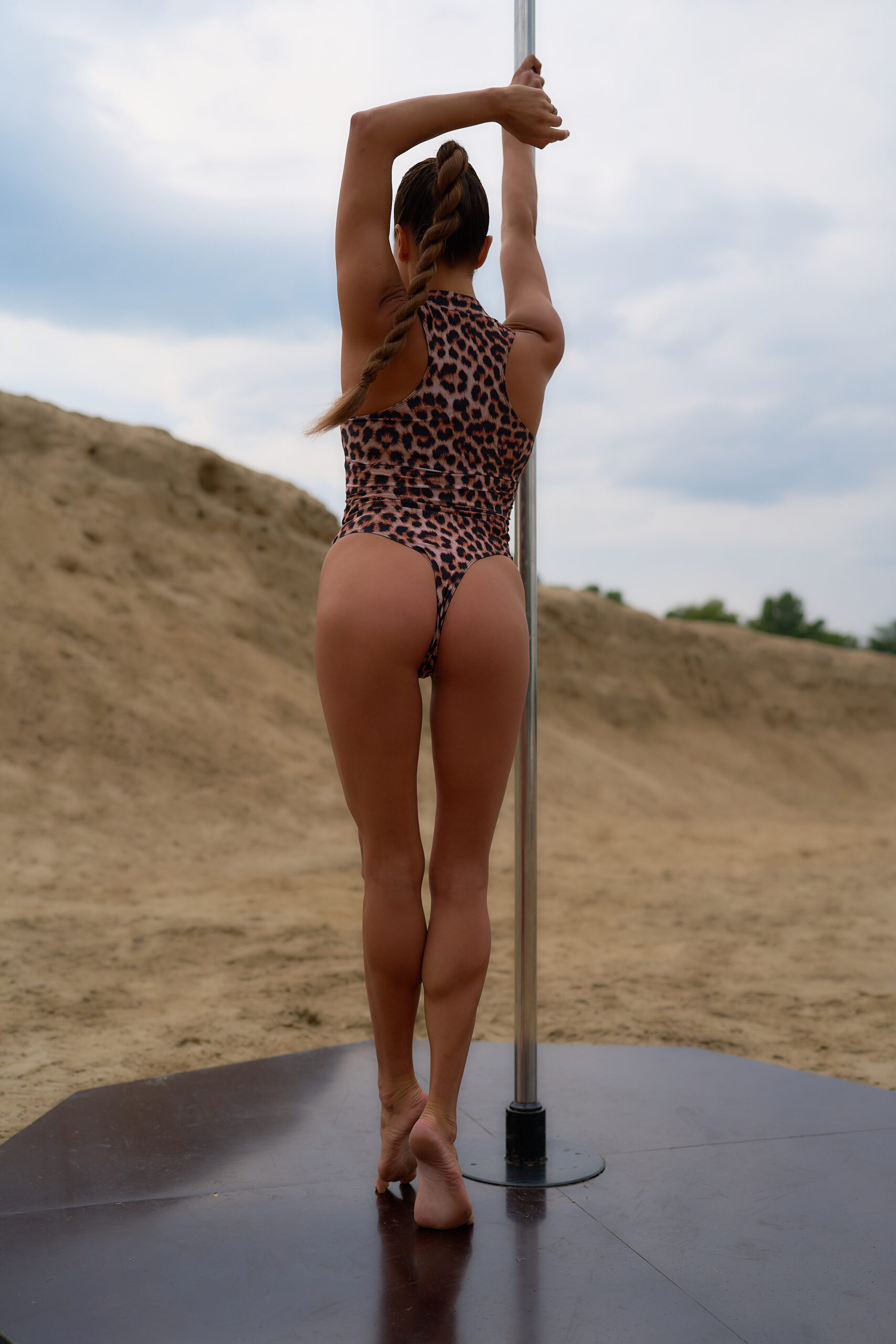
Your clothing choices can also reflect this commitment to professional-grade longevity and innovation. Upgrading your wardrobe with pieces from a premium new pole wear collection ensures you are utilizing advanced fabric technologies that support sweat management and muscle compression during your hardest sessions. Remember, taking care of your body is a 24-hour job that involves training hard, choosing the right tools, and resting with purpose.
Tying It All Together
Ultimately, the journey from an aspiring beginner to an elite aerial artist is built on a foundation of balance. No amount of conditioning or willpower can overcome the physical toll of chronic sleep deprivation. By prioritizing your nightly rest, you give your body the time and resources it needs to turn your studio efforts into real muscle growth and refined muscle memory.
Let your sleep be deep, your training focused, and your recovery intentional. Treat your bed with the same respect you show the pole, and watch as your strength, safety, and artistry reach heights you never thought possible.
Rate this post