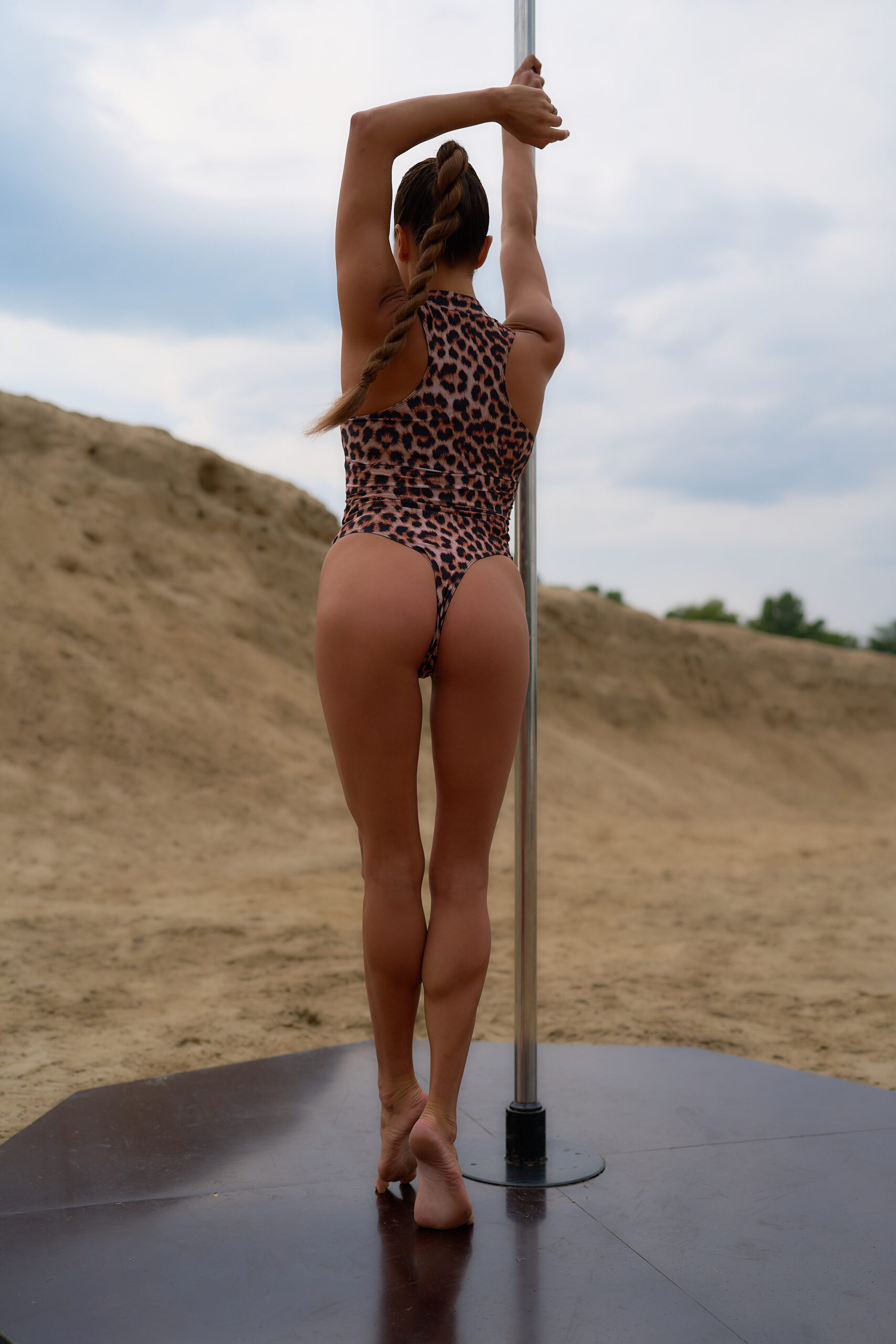
High Grip Polewear vs Standard Fabrics: Which One is Better for You?
The rapid globalization and athletic institutionalization of pole fitness have triggered an unprecedented wave of technological innovation in specialized sportswear engineering. In 2026, pole dancing is no longer just a niche fitness trend; it is universally acknowledged as a highly demanding, multi-disciplinary sport that requires an extraordinary blend of gymnastics, weightlifting control, and fluid choreographic transitions. As athletes continuously push the limits of physical possibility on vertical metal poles, the mechanical demands placed on their gear have scaled dramatically. Dancers are no longer restricted to repurposed gym gear or basic swimwear; instead, they face a pivotal technical decision that directly impacts their safety, progression, and training longevity: choosing between revolutionary high grip polewear and premium standard elastic fabrics.
For many years, the physics of pole fitness dictated that clean human skin was the only viable surface capable of generating enough friction against a smooth metal apparatus—whether chrome, stainless steel, or brass—to safely execute inversions and climbs. However, this physiological rule created significant barriers for athletes training in colder climates, individuals who struggle with overactive sweat glands, or those who simply prefer more full-body skin coverage due to personal comfort or religious reasons. The introduction of advanced grip-augmented materials completely disrupted this dynamic, introducing specialized sticky coatings that replicate or even exceed natural skin friction. Yet, this high-tech evolution does not mean standard fabrics have become obsolete, as each textile category serves radically different biomechanical purposes.
Choosing the right technical material for your personal collection requires looking past surface-level marketing claims and diving into the raw mechanics of friction, thermal insulation, and fabric durability. An incorrect choice can lead to a frustrating training experience—either sliding dangerously down the pole due to a lack of friction or experiencing jarring, sticky stops that disrupt your choreographic flow and tear at your skin. In this comprehensive, expert-led analysis, we will break down the structural differences between these two textile heavyweights, evaluate their performance across various training scenarios, and provide you with a definitive blueprint to build a high-performance wardrobe tailored to your exact physical needs.
The Mechanics of Friction: Decoding Sticky Tacky Materials vs Italian Biflex
To accurately evaluate the performance of advanced pole dance grip fabric, one must understand how it interacts mechanically with a vertical metal surface. High-grip apparel is engineered by applying a specialized, non-slip silicone or polyurethane matrix directly onto a durable stretch base. This coating creates an immediate, micro-suction mechanical lock against smooth metal, completely eliminating the need for bare skin contact. For athletes who experience intense skin hypersensitivity, bruising, or painful friction burns during training, sticky materials act as a protective, high-traction barrier that allows them to drill complex holds and static positions repeatedly without wearing down their bodies.
Standard fabrics, on the other hand, rely on premium high-density polyamide-elastane blends, globally recognized as luxury Italian biflex. Rather than trying to stick to the metal itself, these materials are designed to be as sleek, durable, and unobtrusive as possible, leaving strategic anatomical grip points—like the inner thighs, waist, and armpits—completely bare to utilize natural skin adhesion. Biflex offers complete four-way stretch, meaning it tracks your muscle movements perfectly during deep splits, high extensions, and rapid floorwork transitions. It does not grip the pole on its own, which is a major advantage for dancers who focus heavily on spinning poles or fast, dynamic drops where a sudden, forced mechanical stop could cause severe shoulder or wrist strain.
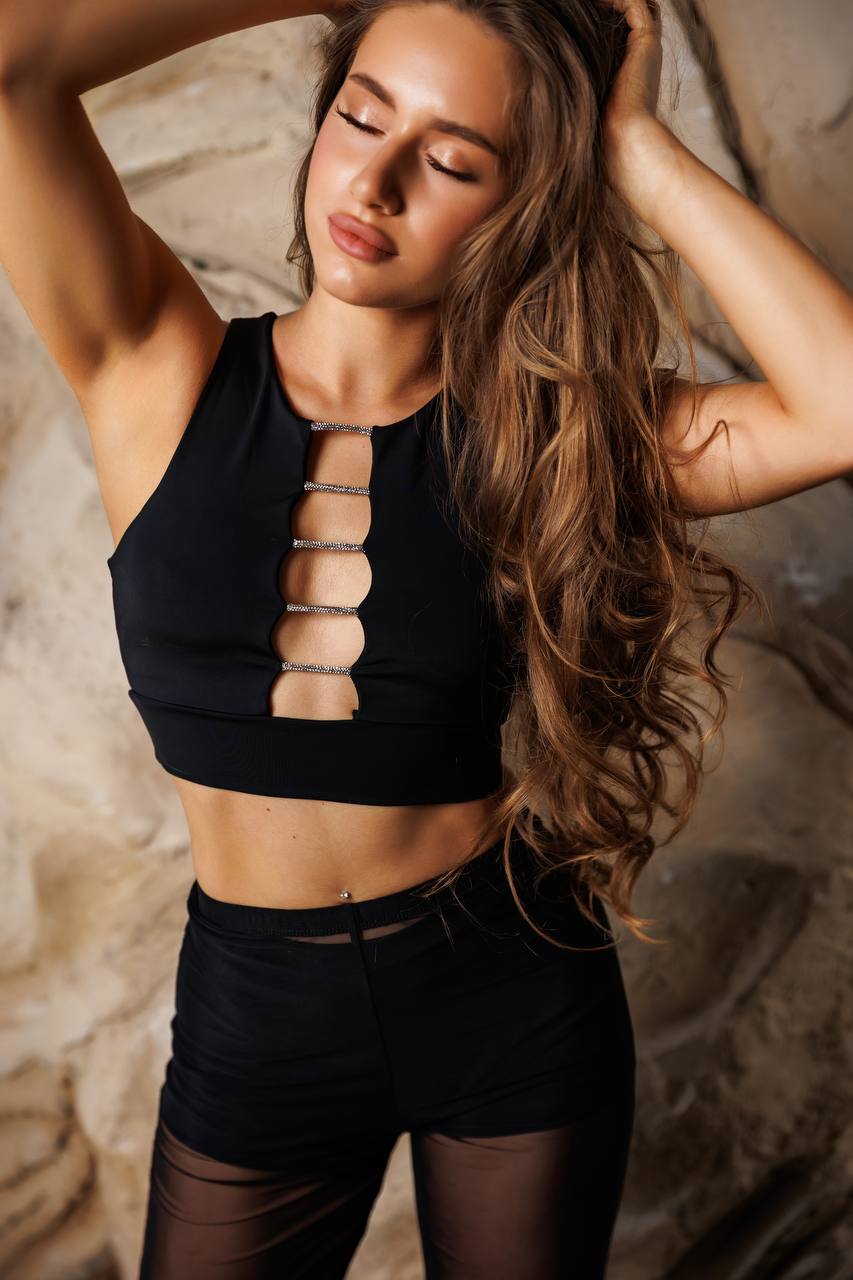
If you are looking to explore a premium selection of standard athletic-grade apparel that sets the gold standard for ergonomic patterning, anatomical compression, and durability, you can discover exceptional designs by browsing the new collection of pole dance wear, which incorporates advanced high-memory fabrics designed to hold their shape flawlessly through hundreds of intensive training sessions.
Thermal Regulation and Climate Adaptation: Managing Sweat and Studio Conditions
The environmental conditions of your training studio play a massive role in determining which fabric technology will serve you best on any given day. Standard premium fabrics excel exceptionally well in high-temperature environments or during intense, high-sweat cardiovascular choreography. High-quality nylon-spandex blends feature built-in moisture-wicking properties that actively pull sweat away from your skin, distributing it across the fabric surface to dry almost instantly. This rapid evaporation keeps your body core cool and ensures that sweat does not pool on your skin, which would otherwise ruin your natural grip on the metal.
Conversely, high-grip sticky wear does not breathe as efficiently because the external silicone or polyurethane coating creates a non-porous barrier over the textile. If you train in a hot, humid studio, sweat can accumulate beneath a fully covered sticky legging, causing the internal fabric to slip against your own skin even if the outside remains locked onto the pole. However, in cold winter months or poorly heated training spaces, sticky apparel is an absolute lifesaver. It keeps your muscles completely warm and insulated, preventing dangerous cramping, while ensuring you retain a reliable grip even when the cold metal pole refuses to warm up naturally.
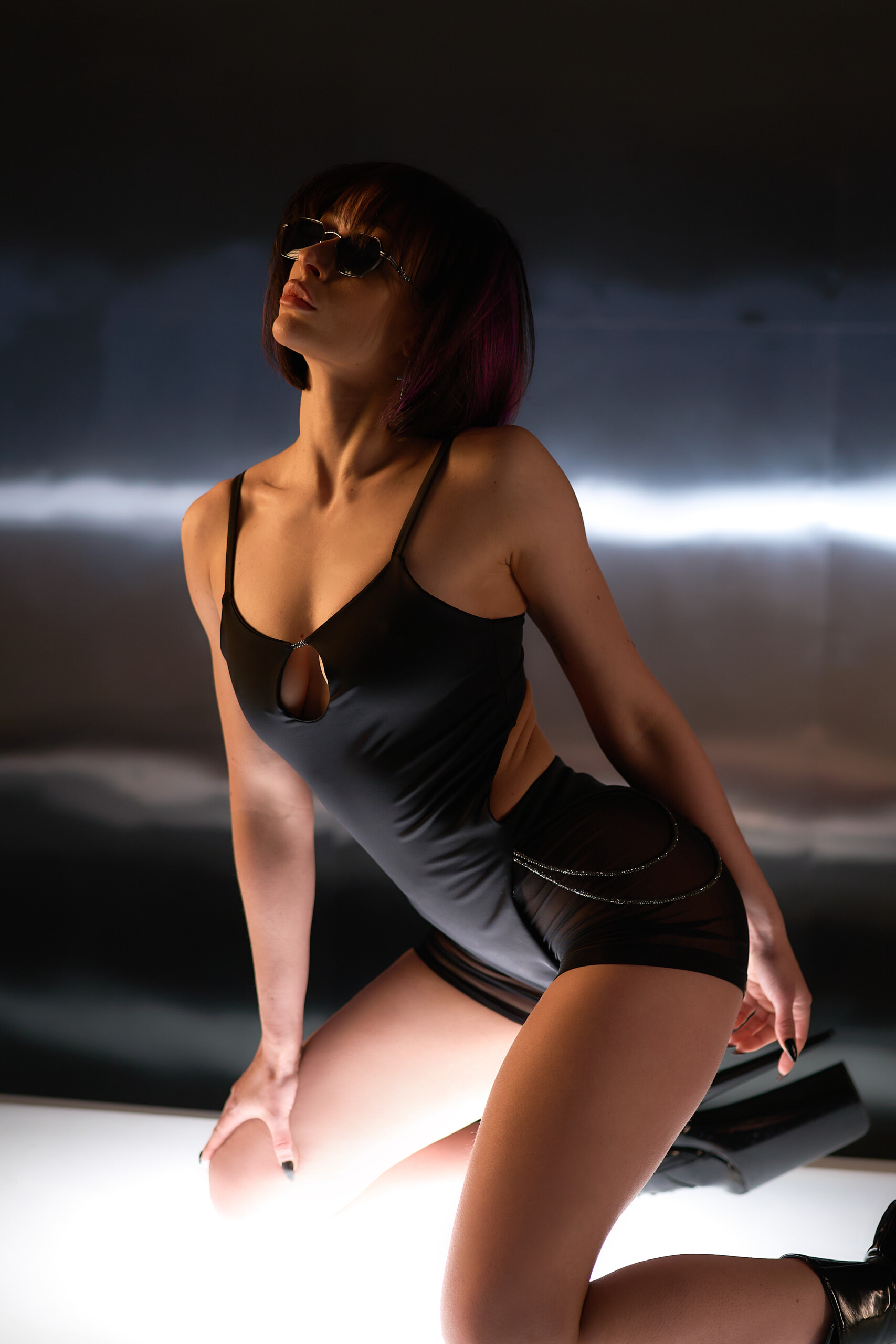
For dancers who want to enjoy the benefits of standard fabric flexibility while optimizing airflow and core cooling during intense training sessions, selecting items with strategic ventilation is key. You can find a beautiful balance of athletic breathability and modern edge by exploring specialized mesh pole dance clothing, which integrates high-tensile mesh paneling to maximize air circulation while creating a stunning, elongated silhouette on the training floor.
Tailoring Gear to Your Style: Spinning, Inversions, and Flow Choreography
Your specific movement style and current training syllabus should heavily dictate the type of textile technology you bring into the studio. If your training is deeply rooted in contemporary flow, low-flow transitions, exotic style, and floorwork, standard fabrics are vastly superior. These routines require your body to slide, roll, and pirouette across the floor and down the lower base of the pole seamlessly. Wearing sticky grip gear during floorwork can be actively detrimental, as the tacky coating will catch on the floor or the pole base, causing jarring stops, disrupting your momentum, and potentially straining your joints.
If your training goals lean toward elite power tricks, static pole combinations, deadlifted handsprings, and complex high-altitude drops, high-grip options offer a massive safety advantage. When you are suspended upside down at the top of a four-meter pole, having a fabric that mechanically locks onto the metal gives you an extra layer of structural security, allowing you to focus completely on your core engagement and shoulder alignment. It is also an exceptional tool for beginners who have not yet developed the raw skin conditioning or muscular grip strength required to hold basic climbs and seats comfortably.
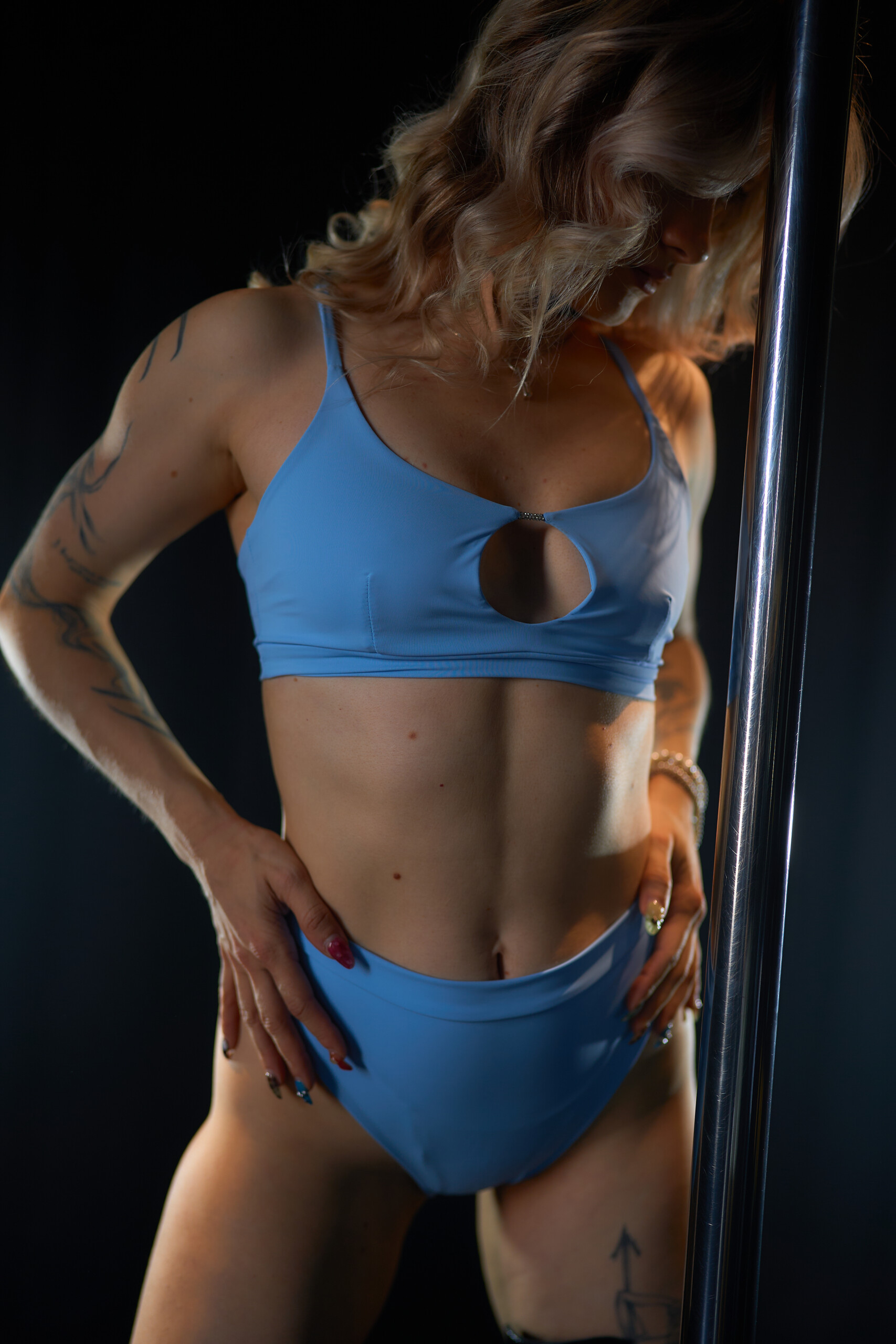
To build a versatile wardrobe that allows you to transition seamlessly between these different training styles, it is highly recommended to select modular, separate pieces that can be combined based on your daily lesson plan. For instance, you can secure complete upper-body stabilization by pairing your favorite bottoms with items from the professional supportive pole dance tops collection, ensuring excellent chest support during high-impact drops. You can complete your custom setup by browsing an elite variety of rises, cuts, and compression levels within the dedicated professional pole dance shorts department to find the exact level of skin exposure your routine requires.
Durability, Care Protocols, and Long-Term Gear Investment
Investing in authentic pole dance practice wear requires a clear understanding of the long-term maintenance protocols required for each specific fabric type. Standard biflex garments are incredibly resilient and low-maintenance. They can withstand heavy abrasion against the pole, resist pilling caused by floor contact, and easily handle regular machine washing without losing their elastic memory or vibrant color profiles, provided you wash them in cold water and completely avoid fabric softeners, which leave a slippery micro-film over the fibers.
High-grip apparel requires far more specialized, delicate care to preserve the integrity of its sticky coating. The silicone layer must be wiped down after every session using a soft cloth and a specialized alcohol-free cleaner to remove body oils, dust, and studio chalk, which can temporarily coat the surface and cause it to lose its stickiness. These garments must be hand-washed exclusively in cold water, can never be wrung out aggressively, and must be air-dried flat in the shade. Over time, even with flawless care, the sticky coating on high-use contact points will naturally experience gradual wear, meaning grip gear has a slightly shorter peak operational lifespan compared to traditional standard fabrics.
For athletes who want to eliminate the guesswork and invest in premium, studio-tested garments that balance incredible structural lifespan with elite visual design, shopping from unified collections is a fantastic strategy. You can elevate your athletic presence and ensure your wardrobe withstands the rigors of daily training by exploring the elite Okto pole dance collection, which is highly celebrated within the international aerial community for its luxurious feel, flawless compression hold, and exceptional resistance to intense training wear and tear.
Finding Your Flawless Training Formula
Ultimately, the debate between high grip polewear and standard fabrics does not have a single, universal winner; rather, the ideal choice depends entirely on your personal physiology, your studio’s climate, and your specific movement style. Many advanced pole athletes choose not to limit themselves to a single category, instead building a balanced training wardrobe that includes both fabric technologies to adapt perfectly to any training scenario.
Standard biflex remains the unchallenged champion for spinning pole routines, fluid low-flow choreography, and hot summer training sessions where natural skin conditioning and maximum fabric flexibility are paramount. Meanwhile, high-grip tacky gear is an invaluable weapon for conquering complex static tricks, training through freezing winter months, or protecting your skin during long, repetitive training blocks. By understanding the mechanical properties of each textile, investing in premium studio-tested brands, and executing proper fabric care, you equip yourself with the ultimate tools to unlock your strength, maximize your safety, and accelerate your growth in the air!
Rate this post