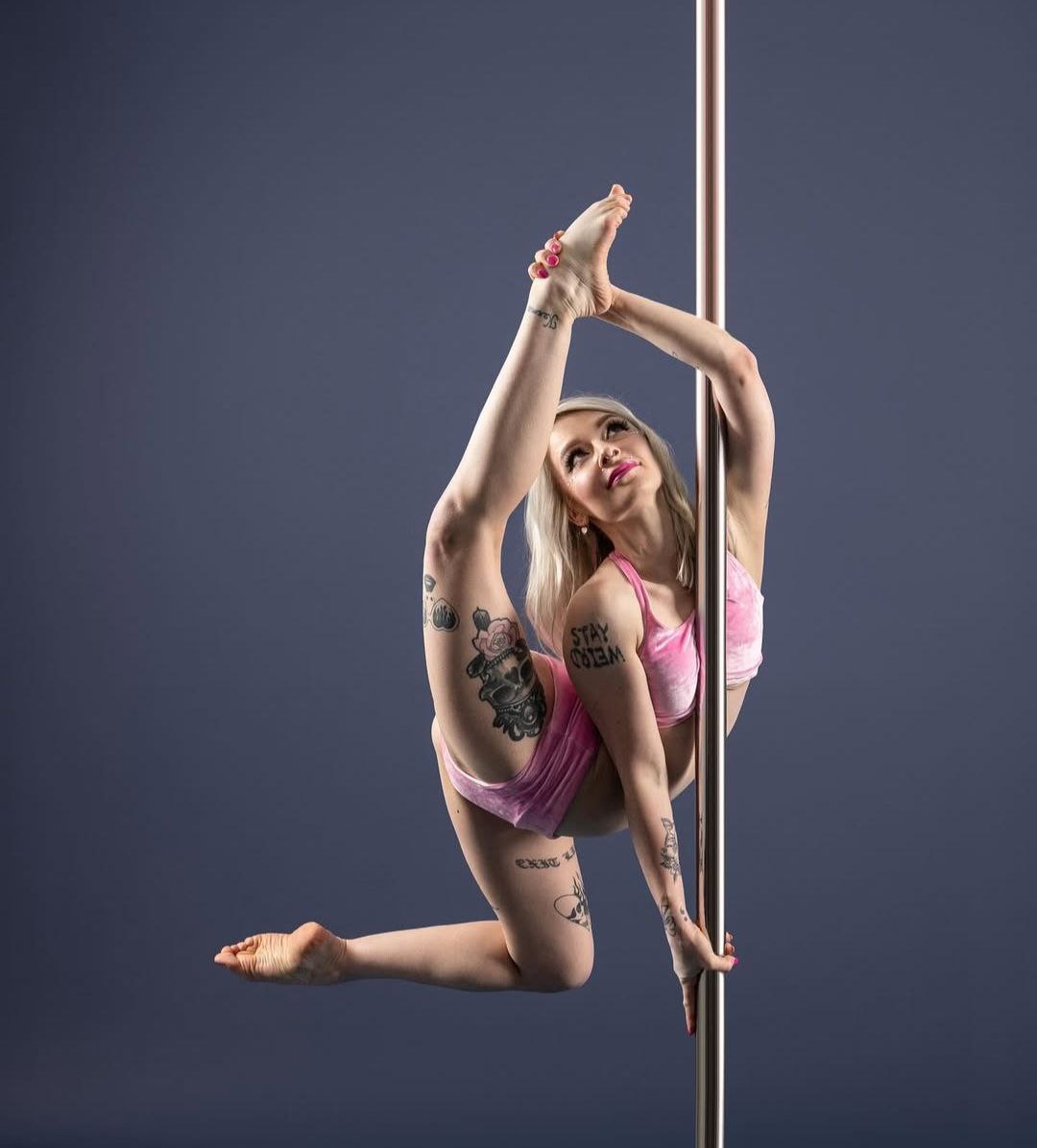
Pole dancing has evolved far beyond its initial perception as purely a performance art. Today, it is a rigorous, full-body fitness discipline that demands strength, flexibility, endurance, and artistry. For pole dancers, achieving peak performance requires more than just studio practice on the pole. This is where cross-training comes into play. Cross-training pole dance routines with complementary disciplines like gymnastics, calisthenics, and other strength sports can significantly improve performance, prevent injuries, and enhance overall body awareness.
Understanding the Benefits of Cross Training Pole Dance
Cross-training for pole dancers is the practice of incorporating other fitness methods to complement pole-specific skills. While pole dancing itself develops unique upper-body and core strength, integrating other training modalities addresses potential weaknesses and enhances physical capabilities. One of the primary benefits of cross-training is injury prevention. Pole dance involves repetitive movements, intense spins, and inversions that can strain muscles, ligaments, and joints if they are not adequately supported by balanced strength training.
Gymnastics for pole provides enhanced flexibility and coordination, crucial for executing complex moves such as splits, backbends, and aerial transitions. Gymnastics also develops kinesthetic awareness, which helps pole dancers control their movements precisely while performing dynamic routines. Similarly, calisthenics pole dancer workouts focus on functional strength using bodyweight exercises. These exercises strengthen stabilizing muscles and improve endurance, which is vital for maintaining long routines and performing advanced tricks safely.
Additionally, integrating other strength sports like weightlifting or resistance training into a pole dancer’s routine can improve grip strength, shoulder stability, and explosive power. This multidimensional approach to fitness ensures that dancers can progress faster while maintaining a sustainable, injury-free practice.
Gymnastics for Pole: Building Flexibility and Body Awareness
Gymnastics and pole dancing share many similarities, particularly in flexibility, aerial awareness, and strength-to-weight ratio requirements. By practicing gymnastics for pole, dancers develop the flexibility needed for elegant lines and fluid transitions. Stretching routines, splits, bridges, and backbends are core elements of gymnastics that translate directly into pole performance. These exercises increase range of motion in the shoulders, hips, and spine, which is essential for executing spins and inversions safely.
Beyond flexibility, gymnastics improves proprioception—the awareness of one’s body in space. For pole dancers, this skill is indispensable, especially when performing inverted or aerial maneuvers. Understanding how to shift weight, engage the core, and maintain balance can prevent accidents and enhance the precision of pole tricks. Conditioning routines in gymnastics also focus on core and upper-body strength, complementing the pulling and gripping motions required on the pole.
Incorporating gymnastics exercises into cross-training pole dance sessions doesn’t require full gymnastics classes. Even targeted drills, such as handstands, cartwheels, and core-focused exercises, can dramatically improve a dancer’s control, agility, and fluidity. By gradually integrating gymnastics techniques, dancers can tackle advanced pole tricks with confidence and stability.
Calisthenics Pole Dancer Workouts: Strength Through Bodyweight
Calisthenics pole dancer training is an effective way to develop functional strength using minimal equipment. Unlike traditional weightlifting, calisthenics emphasizes natural body movements, building muscle endurance and stability while improving joint mobility. Key exercises for pole dancers include pull-ups, push-ups, dips, planks, and leg raises. These movements directly target the upper body, core, and grip strength—all critical areas for sustaining complex pole tricks.
One of the primary advantages of calisthenics is that it encourages the engagement of stabilizing muscles. While pole dancing requires strength, it also demands controlled balance. Calisthenics movements, particularly those performed in dynamic sequences, mimic the instability of pole transitions, making them ideal for strengthening smaller muscle groups that might otherwise be neglected. For example, a strict L-sit or front lever improves core control and spinal alignment, which translates to cleaner, more controlled spins and inversions.
Moreover, calisthenics enhances endurance. Long routines, particularly those with continuous transitions, require both muscular and cardiovascular stamina. By incorporating calisthenics into a cross-training pole dance schedule, dancers can perform extended sequences without fatigue, ensuring that their technical execution remains precise and expressive throughout the routine.
Strength Sports: Enhancing Power and Injury Prevention
While gymnastics and calisthenics provide flexibility and functional strength, strength sports such as resistance training and weightlifting offer explosive power and targeted muscle development. Heavy pulling movements, like weighted pull-ups or lat pulldowns, strengthen the back, biceps, and forearms—muscles heavily used in pole tricks. Overhead presses and shoulder stabilizing exercises improve control during lifts and inversions.
Cross-training pole dance with strength sports also supports joint health. Strengthening the muscles around the shoulders, wrists, and core provides a protective layer, reducing the risk of sprains or strains that can occur during complex maneuvers. In addition, resistance training enhances muscular balance between opposing muscle groups, addressing asymmetries that often develop when training exclusively on the pole.
Athletes who combine these disciplines report faster progression in pole tricks, particularly those requiring explosive movements like climbs, spins, or dynamic aerials. Furthermore, the psychological benefits of strength sports—such as confidence in one’s lifting ability—can carry over to performance on the pole, reducing hesitation and promoting fluidity in routines.
Creating an Effective Cross-Training Schedule
For pole dancers seeking to integrate cross-training, structuring a balanced weekly schedule is essential. A sample plan may include:
- 2–3 days of pole-focused practice: Concentrate on learning and refining new tricks, spins, and transitions.
- 1–2 days of gymnastics for pole: Include flexibility work, handstands, backbends, and core conditioning.
- 2 days of calisthenics pole dancer workouts: Emphasize pull-ups, push-ups, planks, and leg raises.
- 1–2 days of strength sports: Incorporate resistance training, focusing on back, shoulders, and core.
Recovery should be integrated into this schedule with active rest, foam rolling, or yoga. Overtraining can lead to burnout or injury, so listening to the body is critical. Cross-training should complement, not replace, pole practice, creating a synergistic approach that accelerates skill development.
Mental and Artistic Benefits of Cross-Training
Beyond the physical advantages, cross-training contributes to mental resilience and creativity. Learning gymnastics drills or calisthenics movements challenges dancers to step outside their comfort zones, improving problem-solving skills and focus. This mental toughness translates into confidence on the pole, particularly when attempting new tricks or performing in front of an audience.
Artistic expression also benefits. The body becomes more versatile and fluid, enabling dancers to incorporate unexpected shapes, lines, and transitions into choreography. Enhanced strength, flexibility, and endurance allow for longer, more dynamic routines with greater technical precision and aesthetic appeal.
Conclusion
Cross-training pole dance with gymnastics, calisthenics, and strength sports is no longer optional for serious pole dancers—it is a crucial component of peak performance. Gymnastics improves flexibility and body awareness, calisthenics builds functional strength and endurance, and strength sports provide power and injury prevention. By integrating these disciplines into a structured schedule, dancers can elevate their skills, prevent injury, and enhance artistic expression.
Adopting a comprehensive cross-training approach ensures not only faster progression on the pole but also a sustainable and enjoyable practice. For pole dancers seeking long-term success, the synergy of gymnastics, calisthenics, and strength sports is the key to unlocking their full potential.