
How to Choose a Pole Dance Studio: 10 Questions to Ask Before You Sign Up
Embarking on your pole dance journey is one of the most empowering, exhilarating, and transformational decisions you can make for your physical fitness and self-expression. Whether you are stepping onto the floor to build serious core strength, explore expressive dance movement, or master impressive aerial tricks, finding the right training space sets the foundation for your overall success. However, walking into your first studio can feel intimidating if you do not know what standards to look for during your search.
With the sport growing rapidly around the world, studio spaces range from high-energy commercial fitness centers to intimate, artistic boutique spaces. Knowing how to choose pole studio environments that align with your personal goals requires looking past aesthetic interior design and fancy lighting. You need a space that prioritizes physical safety, structured progression, inclusive community culture, and high-caliber instruction so you can thrive on the pole without injury or burnout.
Before committing your hard-earned money to a monthly membership, taking the time to vet nearby locations will save you frustration and ensure a rewarding experience. Bringing a structured pole studio checklist to your trial session allows you to evaluate studio standards systematically. Here are the ten crucial questions you should ask studio management and instructors before signing your membership agreement.
1. What Are the Qualifications and Certifications of Your Instructors?
Teaching pole fitness demands a specialized understanding of human biomechanics, shoulder stability, grip mechanics, and safe spotting techniques. Anyone can execute impressive tricks on camera, but translating that movement safely to a student requires certified pedagogical skill. When asking about instructor credentials, look for certifications from recognized fitness accreditation bodies alongside specialized pole teacher training.
Experienced instructors understand how to break down complex inversion mechanics into approachable progressions for complete beginners. They can identify subtle body alignment errors, spot safely during inversions, and offer tailored modifications for past injuries. A qualified instructor will welcome questions about their background and gladly share their training history and safety protocols with you.
In addition to formal certifications, pay close attention to how instructors manage their classrooms during dynamic tricks. Are they actively walking the floor, offering hands-on assistance, and adjusting posture? An attentive teacher who corrects your alignment in real-time ensures that you build proper muscle memory while preventing acute shoulder strain or wrist fatigue.
2. What Is Your Policy on Shared Apparatuses and Class Capacity?
Class capacity directly impacts the quality of instruction you receive, as well as your overall physical safety. In overcrowded classrooms where multiple dancers share a single pole, your actual training time is drastically reduced. Furthermore, cold muscles between turns on the pole increase your susceptibility to sudden pulls, joint strains, and improper technique.
Ideally, a top-tier facility should offer a maximum ratio of two students per pole, though one student per pole is always the gold standard for the best pole dance class experience. Asking management about their student-to-pole cap gives you clear insight into their commitment to student safety versus profit margins. Knowing your apparatus allocation helps you set realistic expectations for workout intensity and practice time.
Sharing space too tightly also creates unnecessary spatial hazards when learning wide, sweeping spin combinations or low-flow floorwork sequences. You need adequate room to extend your limbs, transition into floor transitions, and execute dynamic movements without colliding with neighboring dancers or studio walls. Always clarify studio capacity rules before purchasing multi-class packages.
3. How Are the Poles Maintained, Mounted, and Sanitized?
The structural integrity of the apparatus beneath your hands is non-negotiable when hanging upside down. Professional studios utilize commercial-grade, floor-to-ceiling pressure-mounted or permanently vaulted poles manufactured by established industry brands. Ask studio staff how often their hardware undergoes safety checks, bolt tightening, and structural load inspections.
Equipment cleanliness is equally vital for maintaining proper hand friction and skin safety. Poles gather body oils, sweat, and grip aids during intense workouts, making immediate wiping between users essential. Inquire about the studio’s hygiene protocols, including whether students are supplied with fresh microfiber cloths and high-proof alcohol solutions after every session.
Different finishes cater to different training needs, skin types, and climate conditions. A well-equipped venue generally provides a mix of brass, stainless steel, chrome, or powder-coated poles to suit varying preferences. Knowing that your facility rigorously maintains its hardware allows you to focus fully on your movement without safety concerns holding you back.
4. What Safety Equipment and Crash Mats Are Available?
No matter your current skill level, fall prevention and impact absorption must be a priority when practicing aerial fitness. Every reputable studio must provide high-density, professional crash mats designed specifically to wrap securely around the base of the pole. If a studio lacks adequate crash mats or discourages their use during inversions, consider it an immediate red flag.
Instructors should actively encourage the use of crash mats whenever students learn new aerial mounts, handsprings, or dismounts. Asking management about their mat policies reveals whether they foster a safety-first culture where students feel supported taking calculated physical risks. Never feel self-conscious about requesting a crash mat, even during basic training drills.
Beyond physical mats, evaluate the floor surfaces throughout the main studio rooms. High-quality sprung wooden floors or professional marley dance surfaces absorb shock far better than concrete or thin vinyl overlays. Quality flooring reduces repetitive impact stress on your feet, knees, and ankles during floorwork routines, landed tricks, and heel choreography.
5. What Skill Level Structure and Class Progressions Do You Offer?
A structured curriculum prevents premature trick execution and ensures that foundational strength is built sequentially. Ask how the studio defines skill tiers—such as Beginner, Intermediate, and Advanced—and whether they require formal skills assessments before students move up levels. Unstructured, all-levels classes can leave beginners overwhelmed while forcing advanced students to repeat basic tricks.
Look for spaces that offer dedicated foundational courses focusing on core engagement, wrist conditioning, and active shoulder mobility. Jumping straight into momentum-heavy spins or inverted tricks without building baseline strength frequently leads to chronic shoulder impingement or wrist strains. A methodical curriculum honors your body’s adaptation process step by step.
Consistent progression monitoring also keeps you motivated as you check off milestones over time. Ask if the studio provides progress tracking, level syllabus checklists, or periodic instructor feedback sessions. Clear goals help you measure your physical gains and maintain steady momentum throughout your long-term fitness journey.
6. What Diversity of Styles and Dance Formats Do You Teach?
Pole fitness is a vast discipline encompassing diverse artistic, athletic, and expressive sub-genres. A well-rounded facility provides a varied schedule featuring tricks and conditioning, artistic flow, heels choreography, exotic flow, and flexibility classes. Having access to diverse styles under one roof keeps your routine fresh and challenges different muscle groups.
If your primary interest lies in dramatic heels movement, inquire whether the studio specializes in low-flow, floorwork transitions, and edge work. For those seeking pure athletic conditioning, check if they incorporate functional strength, flexibility, and core stability classes into their weekly schedule. Choosing a space that aligns with your specific aesthetic interest ensures long-term satisfaction.
Having access to complementary training disciplines like active flexibility conditioning, active mobility drills, and handstand training accelerates your pole progress significantly. Cross-training within the same facility saves time and helps you unlock difficult tricks faster by addressing mobility bottlenecks in your shoulders, hips, and thoracic spine.
7. What Dress Code, Footwear, and Grip Rules Do You Follow?
Understanding attire expectations beforehand ensures you arrive prepared, comfortable, and confident for every session. Because pole movement relies on direct skin-to-metal friction for grip, beginners typically require bare legs, arms, and midriffs to execute basic holds and climbs safely. Ask if the studio has specific dress code guidelines for introductory classes versus advanced or heels-focused sessions.
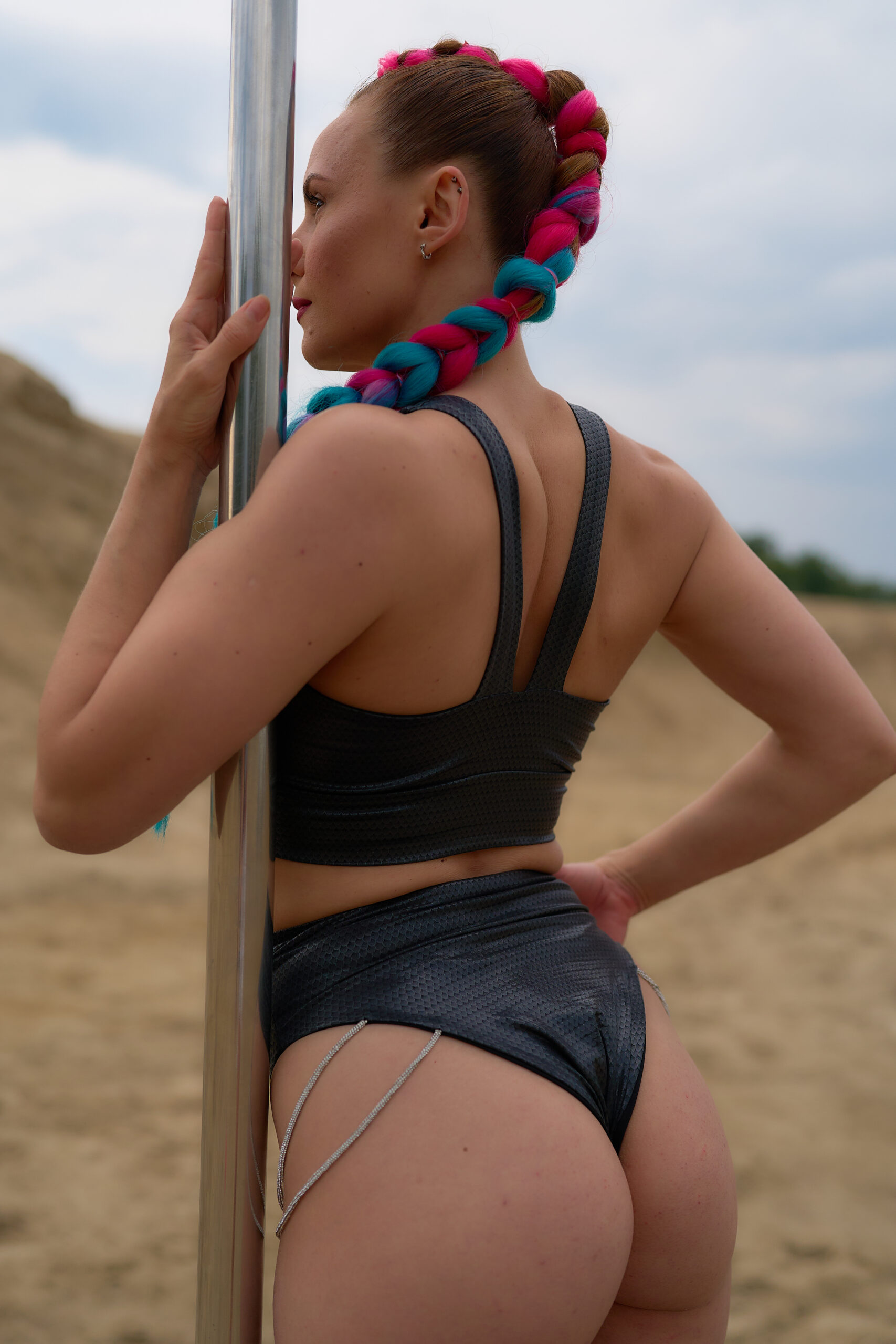
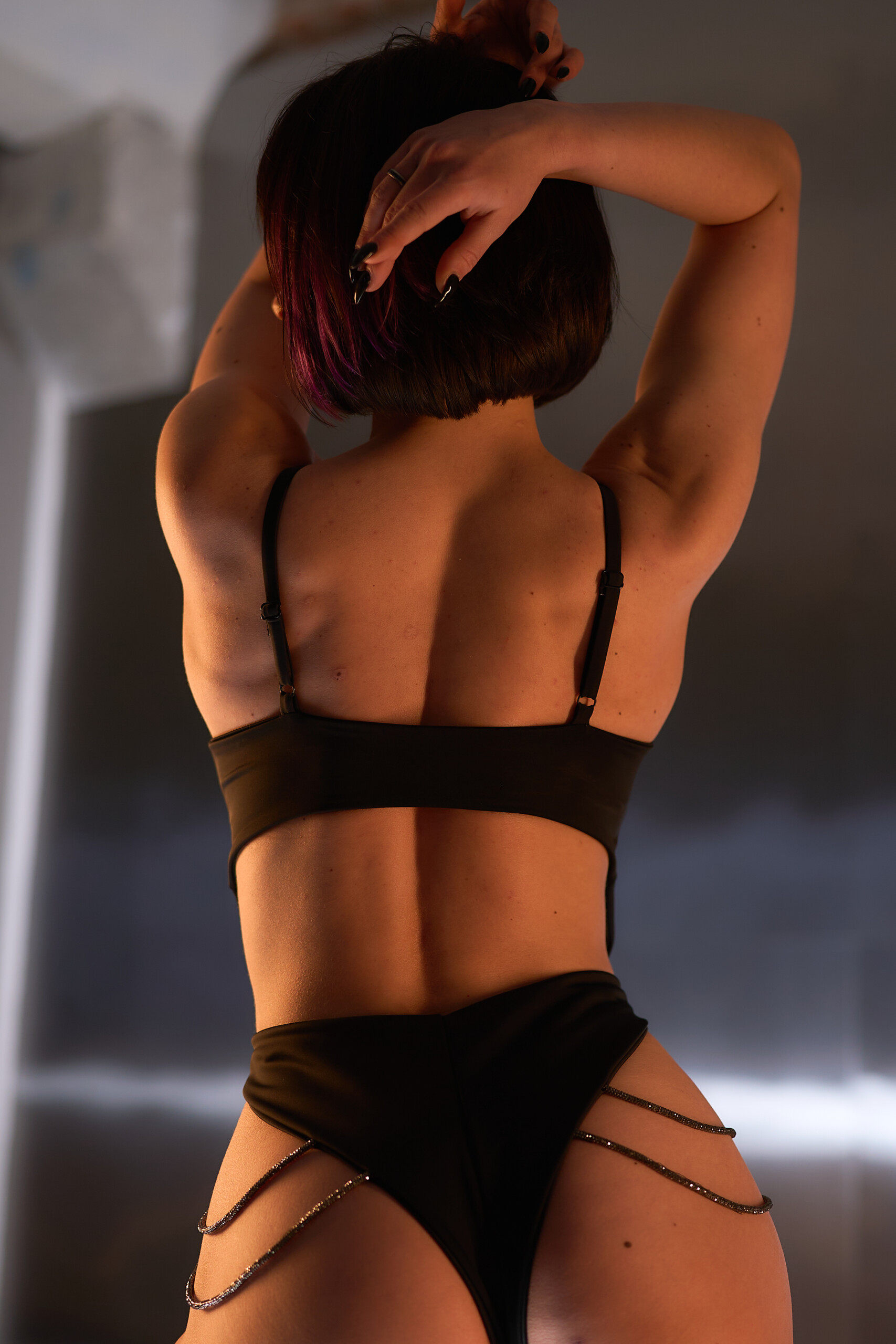
To move comfortably and feel confident in class, wearing high-performance activewear tailored specifically for pole training makes a substantial difference. Flexible cutouts, supportive fabrics, and secure fits prevent clothing adjustments mid-spin, allowing you to train with complete peace of mind. Investing in purpose-built sets like the vibrant options in the ArtGo Sport New Collection ensures your apparel offers maximum skin exposure, high-durability stretch, and sleek comfort for every session.
Additionally, clarify the studio’s policy regarding grip aids, liquid chalk, and footwear. Some studios restrict specific resin-based grip products to protect their pole finishes, while others welcome all liquid chalk brands. If you plan to dance in specialized platform heels, confirm whether edge protectors are required to keep the studio floors free from scuffs.
8. What Is the Studio Culture and Community Atmosphere Like?
The atmosphere of a studio dramatically shapes your confidence, consistency, and overall mental state. Pole dance requires vulnerability, self-expression, and physical effort, making a supportive, inclusive community vital. Look for spaces that actively foster body positivity, gender inclusivity, and an environment free of judgment for dancers of all ages and sizes.
Pay close attention to how students and staff interact during your initial visit or trial class. Are people encouraging one another, celebrating new trick achievements, and welcoming newcomers with warmth? A toxic, overly competitive, or unwelcoming studio culture can quickly dampen your enthusiasm and disrupt your training consistency.
Many studios cultivate community by organizing internal showcases, social jam sessions, workshops with guest instructors, and student nights out. These events transform a simple gym routine into a vibrant, supportive community of like-minded individuals. Finding a space where you feel genuinely celebrated creates an uplifting environment where your confidence can flourish.
9. What Are Your Scheduling Policies, Drop-In Rates, and Membership Terms?
Financial clarity and flexible scheduling policies are essential for a stress-free membership experience. Inquire about class booking windows, cancellation policies, roll-over credits, and contract lengths before signing any financial paperwork. Flexible cancellation windows are particularly important when life or unexpected schedule changes interrupt your weekly training plan.
Ask whether the studio operates strictly on monthly membership contracts, class pack passes, or casual drop-in rates. If you have an unpredictable work schedule, class packs or flexible drop-in options may offer better value than rigid monthly contracts. Always request a clear written breakdown of late-cancel fees and expiration dates for class credits.
Furthermore, check how far in advance classes fill up through their online booking system. If peak evening classes are consistently fully booked weeks in advance, you may struggle to secure spots in the sessions you need. A transparent studio management team will gladly explain their booking system and availability during peak hours.
10. Do You Offer Open Pole Practice Hours Outside of Regular Classes?
Attending structured group classes is essential for learning new techniques, but dedicated self-directed practice is where those skills are truly consolidated. Open pole sessions allow you to refine class material, film your progress, build endurance, and explore creative movement at your own pace. Inquire whether open pole time is included in standard memberships or charged separately.
During open pole hours, confirm whether an instructor or staff member is present on-site to supervise safety and manage music volume. Having a staff supervisor present ensures that students adhere to studio safety protocols and do not attempt high-risk inversions without proper spotting or crash mats.
Access to open pole space is especially valuable when preparing for upcoming studio showcases, exams, or personal choreography projects. Having flexible, uninstructed floor time allows you to experiment with creative flow and build stamina outside of class structures. A studio that prioritizes dedicated practice hours shows a true commitment to student development.
Conclusion
Choosing the right pole dance studio is an investment in your safety, physical strength, and personal growth. By asking thoughtful questions about instructor qualifications, safety equipment, class capacity, and community values, you protect yourself from injury while setting up an inspiring environment to achieve your goals. Take your time visiting local spaces, attending intro trial classes, and observing the environment firsthand. When you find a studio that combines rigorous safety standards with a warm, supportive culture, you unlock an empowering fitness journey that will transform both your body and mind.
Rate this post