
Pole Dance Etiquette: Unwritten Rules Every Student Should Know
Stepping into a pole dance studio for the first time is both exhilarating and a bit intimidating. Whether you are walking in for an introductory class or preparing for an advanced trick session, pole dance is a uniquely supportive and empowering community. However, like any shared space, studio life runs smoothly because of a set of unspoken guidelines that keep everyone safe, comfortable, and focused. Understanding basic pole dance studio etiquette ensures that you build great relationships with fellow dancers while creating the best environment for your own progress.
Pole dancing combines athletic strength, artistic expression, and intense physical friction against metal poles. Because of these unique elements, standard gym behavior does not always apply. Knowing how to prepare your body, handle studio gear, and interact with others will make your learning journey seamless. Here is your ultimate guide to the essential pole class rules and studio norms every dancer should follow.
Pre-Class Preparation: Hygiene, Grip, and Attire
Proper preparation begins long before you put your hands on the pole. Hygiene and body care are fundamental aspects of studio etiquette because you share equipment and close quarters with instructors and classmates. The most important pre-class rule is to avoid applying lotions, body oils, or heavy moisturizers for at least twelve to twenty-four hours before your session. Lotions transfer directly onto the chrome or brass surface, creating dangerous slippery spots that put both you and the next dancer at risk.
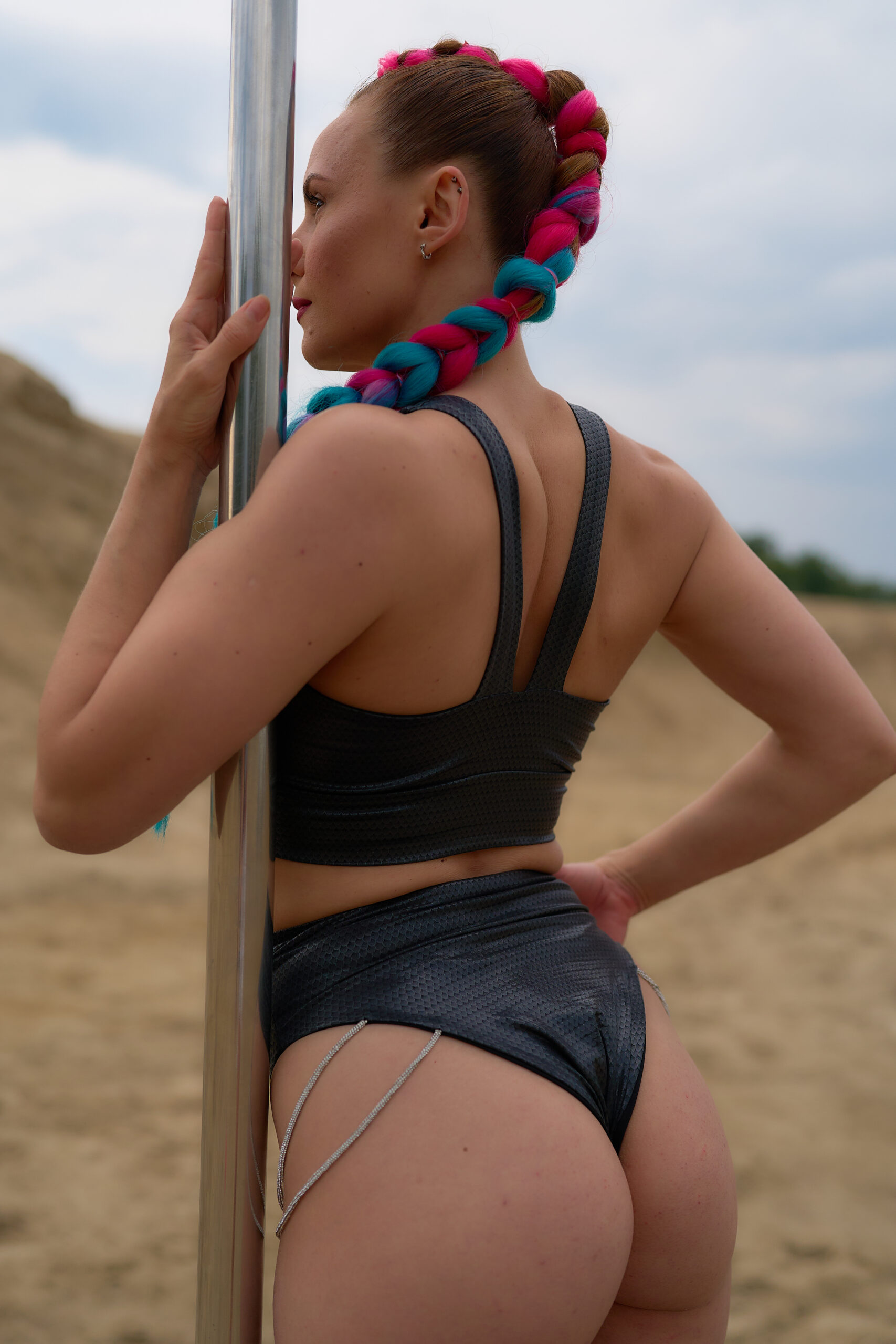
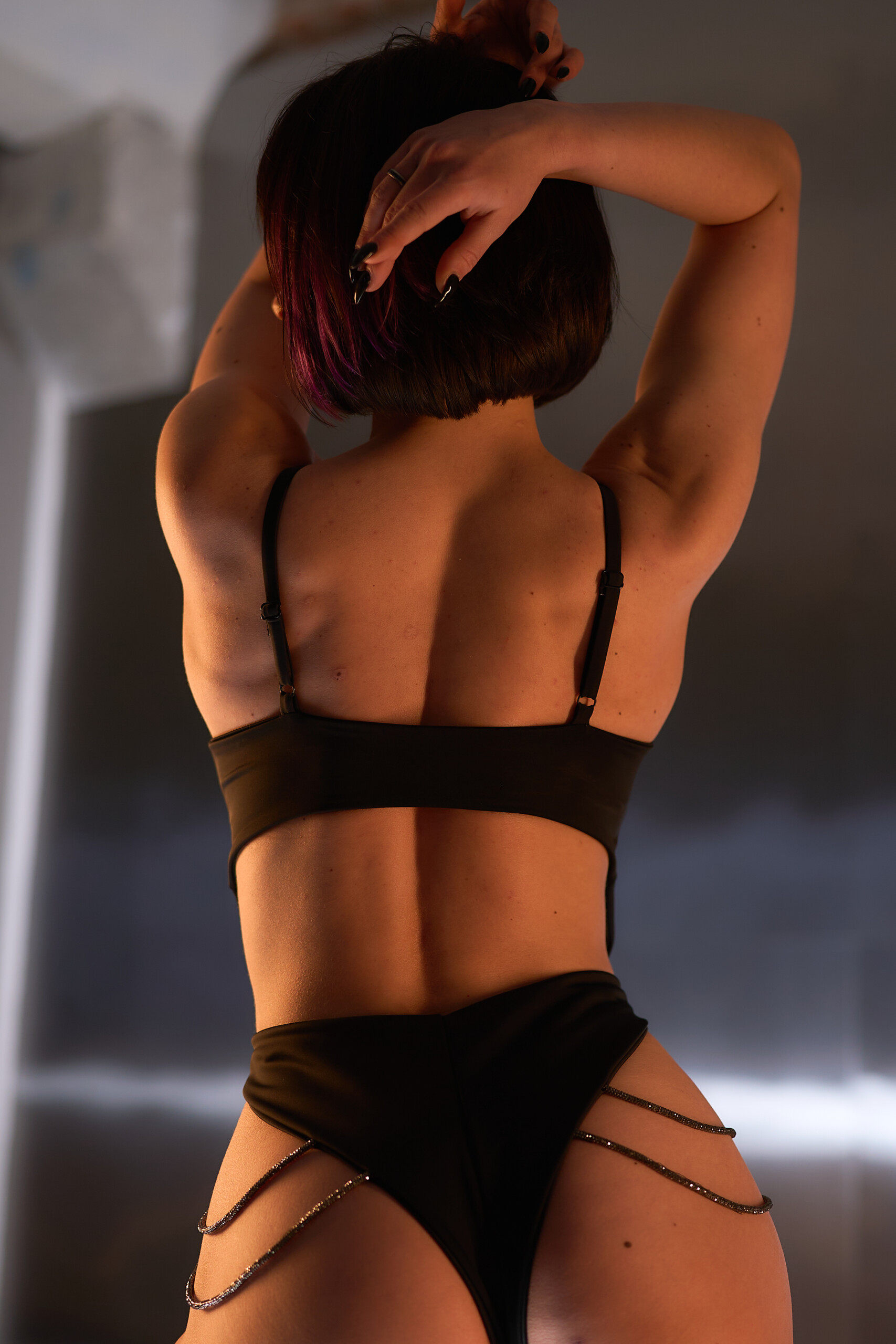
Wearing appropriate activewear is equally vital for both safety and performance. Skin contact is what creates friction on the pole, meaning fitted, flexible apparel is essential for executing tricks securely. High-quality pole wear designed with breathable, stretchable fabrics allows full range of motion while ensuring proper coverage. Many dancers prefer lightweight layering pieces or breathable mesh accents that offer flexibility without sacrificing style. For instance, incorporating sleek Mesh tops or inserts into your studio outfit provides airflow and comfort while keeping your movement completely unrestricted during intense practice.
Finally, always remove all jewelry—including rings, bracelets, metal anklets, and long necklaces—before stepping onto the floor. Metal jewelry easily scratches the polished finish of the poles, causing permanent damage to studio equipment. More importantly, rings can catch on the pole during spins or inversions, leading to severe finger injuries. Keeping your hands free of accessories ensures a safe session for everyone.
Floor & Equipment Respect: Sharing Space and Cleaning Up
Once you are inside the classroom, practicing respectful behavior pole studio guidelines keeps the environment hygienic and organized. Every student is responsible for maintaining the condition of the space and the equipment they use. Always listen carefully when the instructor assigns poles or explains how to share poles in full classes. Giving your fellow classmates enough physical clearance during routines prevents accidental collisions while spinning or conditioning.
Proper equipment maintenance during and after class is a mandatory studio ritual. Sweat, grip aids, and natural skin oils accumulate on the metal, reducing friction over time. Keep a clean micro-fiber cloth and alcohol spray bottle near your station to wipe down your pole regularly throughout the session. When class finishes, thoroughly sanitize your entire pole from top to bottom, put away any crash mats or yoga blocks you borrowed, and return grip products to their designated storage areas.
Respecting personal physical space is another crucial aspect of studio respect. Never walk directly underneath or near someone while they are executing a trick, aerial inversion, or spin. A sudden loss of grip can happen instantly, and standing too close puts both you and the aerial dancer in harm’s way. Always give active dancers a wide radius, wait for them to finish their movement safely, and maintain spatial awareness at all times.
Social & Community Norms: Culture, Support, and Privacy
The pole dance community is celebrated worldwide for its inclusivity, body positivity, and mutual encouragement. Embracing proper studio culture means supporting those around you, regardless of their fitness background or skill level. Celebrate your classmates’ breakthroughs, applaud new milestones, and keep the energy positive and non-judgmental. Everyone in the room is working through their own unique physical challenges.
Maintaining respectful social boundaries also includes being conscious of privacy and media recording. Photography and videography are huge parts of modern pole culture, as tracking progress on camera helps students refine their technique. However, you must always ask for explicit consent before taking photos or videos if other students or instructors are visible in your frame. Never record someone without their permission, and always double-check before posting any studio footage to social media platforms.
Lastly, respect your instructor’s role as the authority on safety and technique. Avoid giving unsolicited coaching or physical corrections to other students during class. Even if you mean well, improper technique advice can lead to serious injury. Leave teaching to qualified instructors, focus on your own individual practice, and remain attentive whenever the teacher is explaining safety cues or demonstrating proper spotting techniques.
Rate this post