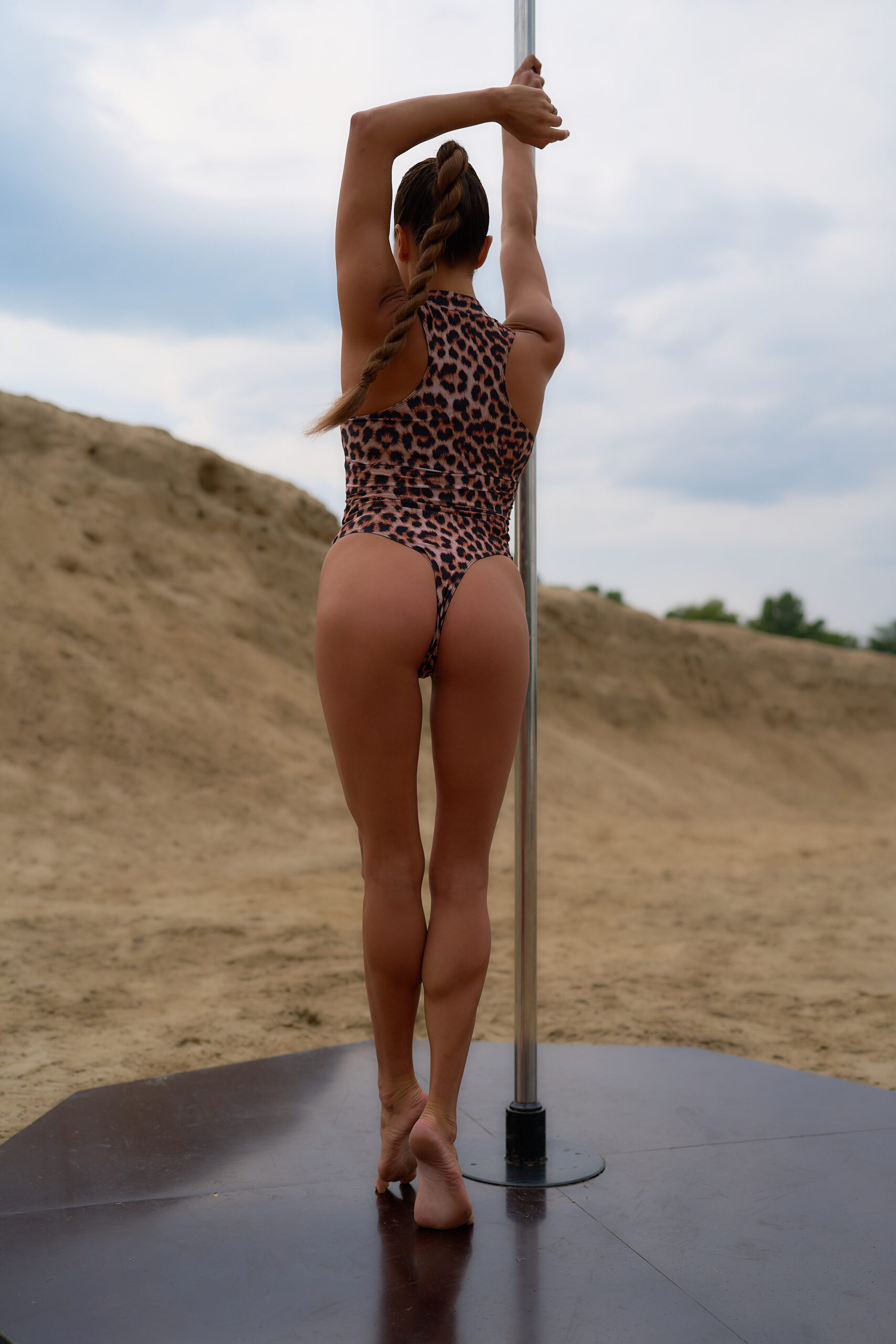
From Sketch to Stage: How to Design a Custom Pole Dance Outfit?
Transforming a creative vision into a breathtaking physical reality is one of the most exciting milestones in an aerial athlete’s journey. In 2026, pole fitness has solidified its identity as an elite, high-performance sport and a profound art form featured on prestigious international stages. When a performer transitions from regular studio practice to a major showcase, theatrical production, or national championship, their wardrobe demands a dramatic structural evolution. Standard training sets, while excellent for conditioning, often lack the narrative depth, visual impact, and specialized construction required for live performance. Designing a custom pole dance outfit is a meticulous process that bridges the gap between artistic storytelling, fashion design, and high-impact sports engineering.
Every routine tells a unique story, conveyed through musical timing, emotional expression, and gravity-defying tricks. The costume serves as the visual framework of this narrative, acting as the first point of connection between the performer, the judging panel, and the live audience. However, unlike traditional dance disciplines where costumes can feature flowing skirts, heavy layers, or loose accessories, aerial arts demand strict adherence to physical limitations. A single design flaw—such as an improperly placed seam, a loose strap, or a fabric that gets slippery under bright stage lights—can disrupt an entire performance, cause critical deductions from judges, or create severe safety hazards on the pole.
To design a highly successful performance garment, you must learn to think like a fashion designer and an aerospace engineer simultaneously. You must carefully analyze how fabrics stretch across multiple planes, how colors shift under dramatic theatrical lighting, and how different grip points interact with the metal apparatus. This comprehensive, expert-level guide will take you step-by-step through the professional design workflow, from the initial pencil sketch to the final dazzling performance, ensuring your next stage appearance is structurally flawless, visually unforgettable, and perfectly tailored to your unique artistic identity.
The Concept and the Rules: Aligning Artistic Vision with Competition Guidelines
Every memorable performance costume begins with a deep exploration of the musical theme and choreographic concept. Before drawing your very first sketch, listen to your performance music on loop and break down the emotional arc of your routine. Are you portraying a dramatic, classical character, a dark and edgy persona, or a fast-paced contemporary athlete? The answers to these questions will instantly dictate your primary color palette, textile textures, and structural lines. For instance, fluid lyrical routines often call for soft, ombre tones and mesh extensions, while high-velocity acrobatic routines benefit from bold, geometric cuts and high-contrast color blocking.
However, artistic expression must always be balanced with the strict regulations of the federation hosting your event. If you are designing a competition pole dance costume, you must thoroughly read the official rulebook regarding dress codes. Most sports federations enforce strict point deductions or instant disqualifications for wardrobe non-compliance. These rules typically dictate the exact minimum width of the crotch gusset, the specific coverage requirements for the glutes, the prohibition of transparent fabrics without skin-toned linings, and the security of the chest area during dynamic inversions.
When mapping out your initial design cutouts, it is highly beneficial to study professionally patterned athletic bases to ensure your concept remains grounded in functional reality. You can find incredible structural inspiration and explore the latest industry cuts by checking out the new collection of pole dance wear, which perfectly balances modern fashion trends with the elite, rule-compliant coverage boundaries required for official competitive stages around the world.
Technical Sketching and Material Engineering: Selecting Performance Fabrics
Once your concept aligns with the rulebook, the next step is translating your ideas into a detailed technical sketch. This sketch must look past simple aesthetics and explicitly detail the engineering of the garment: where the structural seams will sit, where internal elastic bands will be reinforced, and how different fabrics will join together. For an aerial performance, standard lifestyle fabrics are completely out of the question. Your base material must feature premium four-way stretch capabilities—such as high-density Italian biflex or specialized nylon-spandex blends—ensuring the costume moves like a second skin without restricting your extension or pinching your flesh.
When choosing materials for a stage pole dance costume, you must also consider how the fabric handles sweat and bright stage lights. Cheap metallics or low-grade foils can become slick when exposed to body oils or liquid grip aids, completely destroying your ability to hold complex shapes like the Cupid or the Allegra. Instead, look for professional-grade sublimation-printed fabrics or premium matte textiles that maintain a reliable grip texture. Additionally, ensure that any areas covering primary contact points—such as the inner thighs, sides of the waist, and armpits—are left bare or utilize specialized illusion mesh that doesn’t slide against the metal.
If your routine requires an ethereal, flowing visual effect that retains high breathability under hot stage lights, strategically integrating high-tensile mesh paneling is an absolute game-changer. Mesh allows you to create the illusion of deep cutouts or floating fabric elements while keeping the garment securely anchored to your body. To discover a wide array of studio-tested, highly durable mesh layouts that can serve as the perfect foundation for your custom stage look, you can explore the specialized mesh pole dance clothing collection for professional design ideas.
Structural Security: Engineering Separate Components for Maximum Control
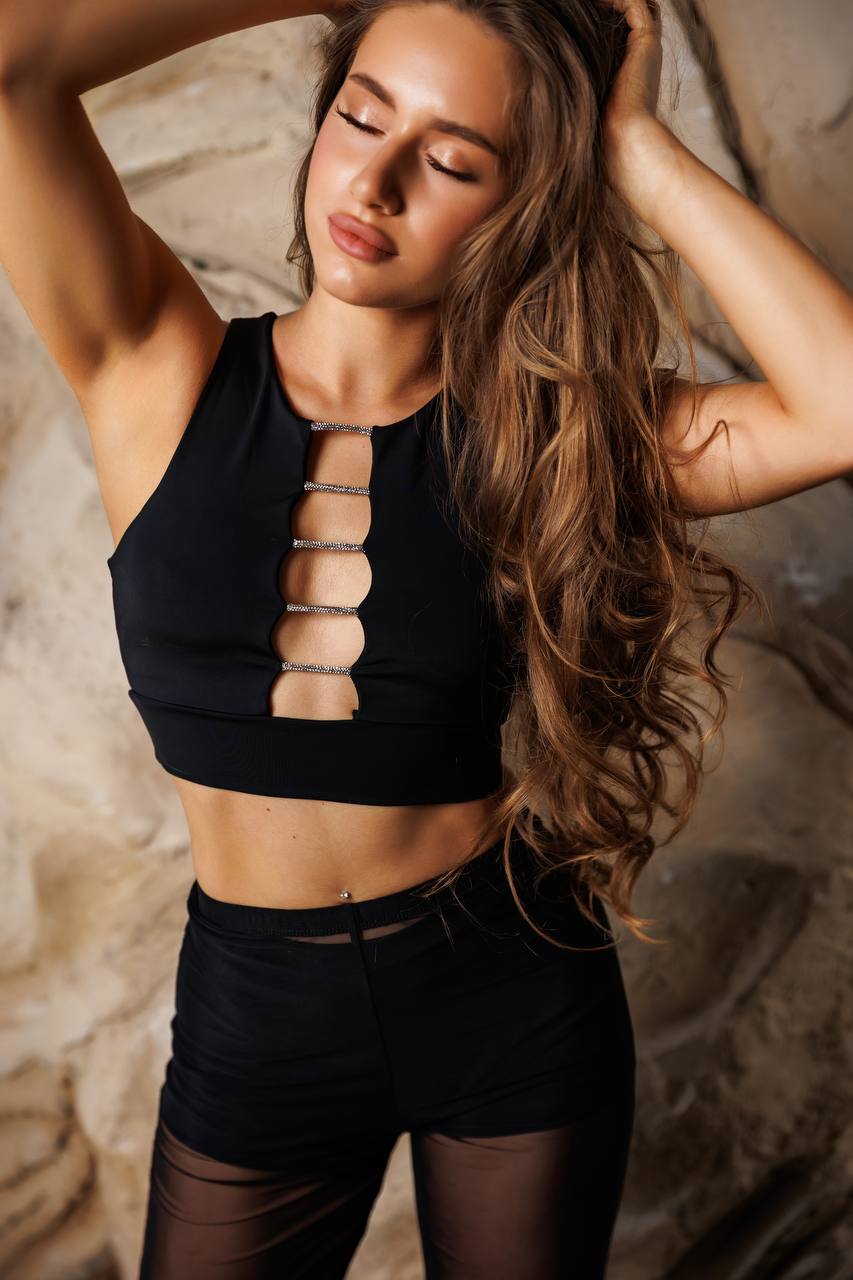
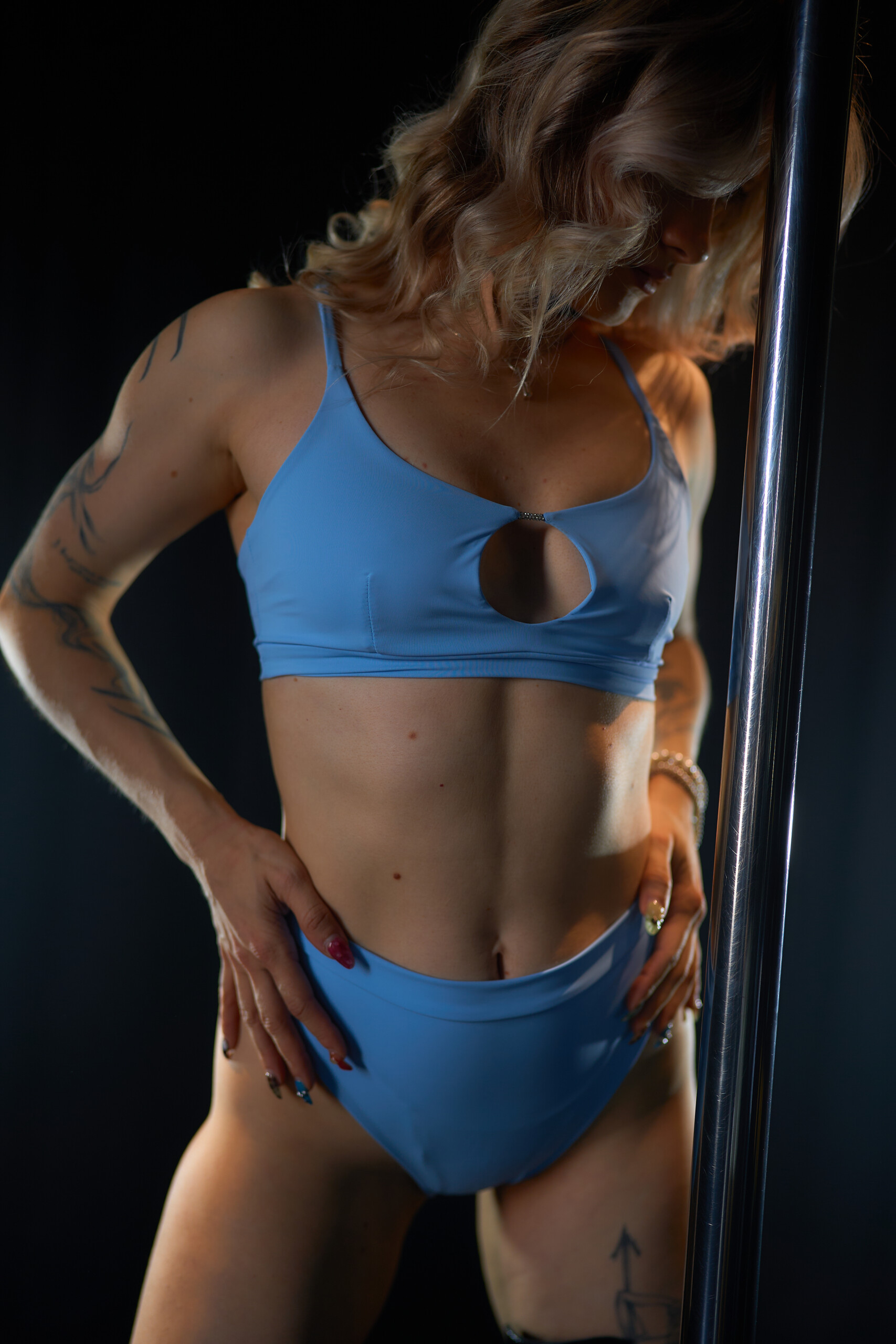
One of the greatest engineering challenges in custom costume design is ensuring absolute security for the upper and lower body independently. During dynamic drops, rapid spins, and powerful flips, the human body experiences immense G-forces that can cause loose fabrics to shift violently. For the upper body, a performance top must feature a thick, covered under-bust band and an internal encapsulation matrix to support and hold the bust firmly in place. The shoulder straps should be wide and strategically placed to avoid pressure on the neck muscles, ensuring complete freedom of movement for the shoulders.
To ensure your custom upper-body patterns offer elite-level security and optimal breast compression during complex inversions, it is highly wise to base your sketches on proven, high-performance athletic templates. You can evaluate a diverse range of reliable, high-impact cuts by exploring the professional supportive pole dance tops selection, which provides the perfect blueprint for building a secure, slip-free performance top that will never fail you under the pressure of live competition.
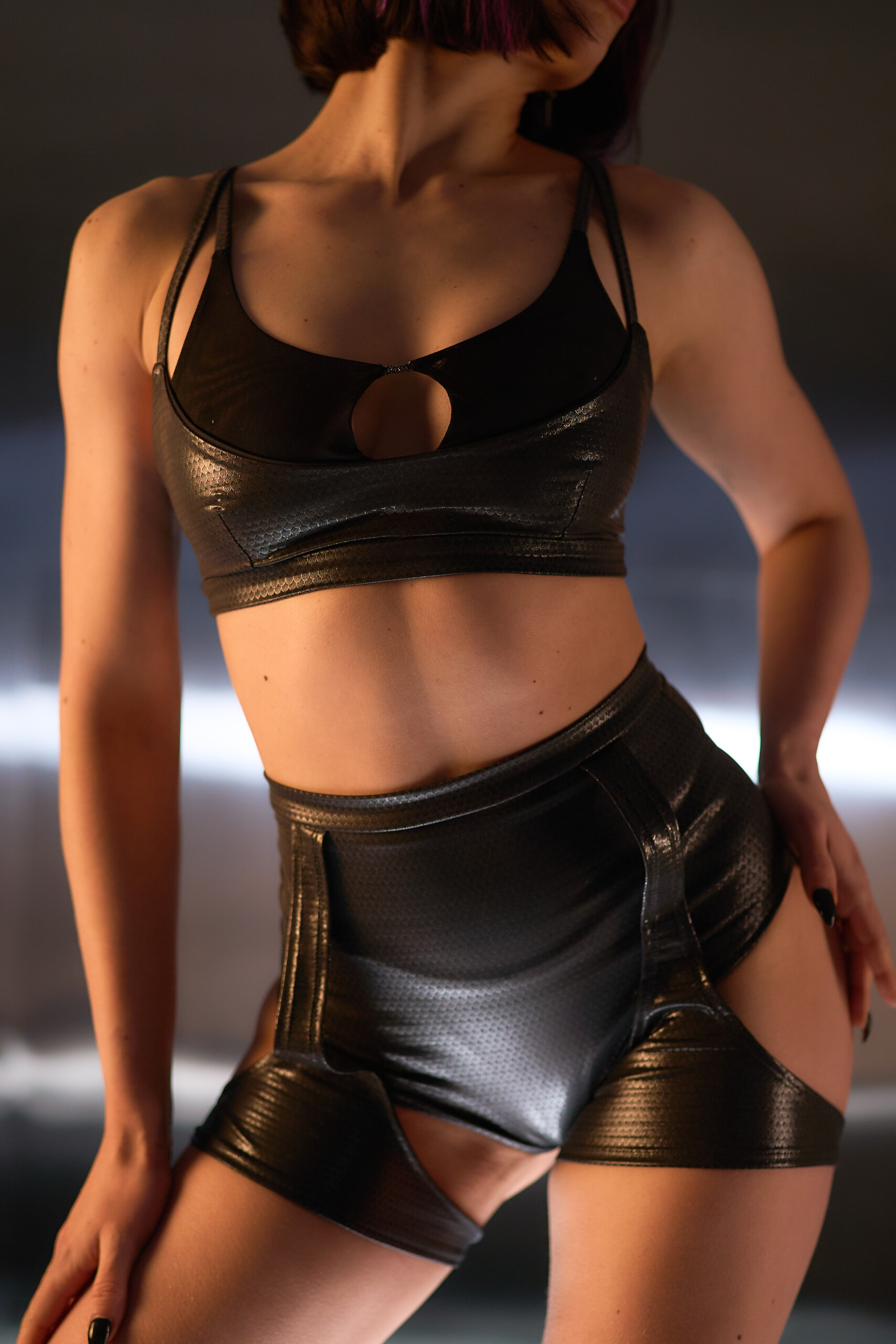
The lower half of the costume requires an equal amount of structural focus. The leg openings must be lined with soft, high-tension elastic to prevent the shorts from riding up during deep splits, and the waistband must be mathematically calculated to sit firmly against the torso without rolling down. If you want to study the exact dimensions, rises, and gusset widths required to achieve flawless athletic security on stage, you can browse through a comprehensive variety of competition-grade bottoms by visiting the dedicated professional pole dance shorts section, allowing you to refine your design parameters with absolute precision.
Embellishment and Cohesive Collection Mapping: Elevating the Visual Drama
The final phase of bringing your custom design to life involves embellishment and ensuring stylistic cohesion across the entire outfit. Stage lighting has a tendency to wash out flat colors, meaning your costume requires texture, contrast, and sparkle to truly pop from a distance. Applying rhinestones, crystals, or metallic appliques is a highly skilled art form. Crystals should always be applied using premium, flexible fabric glue while the garment is lightly stretched, ensuring the stones do not pop off when you put the costume on. Crucially, leave all primary pole contact zones entirely free of stones, as crushing a crystal between your skin and the metal pole can cause severe injury.
If you are designing costumes for a group routine, a doubles performance, or building a personal performance wardrobe for an upcoming competitive season, it helps immensely to approach your designs with a cohesive collection mindset. When the colors, fabric textures, and design lines are harmonized, the performance instantly looks cleaner and more professional. For a flawless example of how to masterfully weave a cohesive design theme across multiple garments without sacrificing an ounce of athletic functionality, you can draw deep creative inspiration from the elite Okto pole dance collection, world-renowned for its luxurious aesthetic and seamless design continuity.
Once your masterpiece is fully constructed and embellished, performing a comprehensive dress rehearsal is non-negotiable. Wear your custom costume through at least three full-out runs of your routine well before competition day. This testing phase allows you to verify that the straps do not slip, the crystals do not catch on the pole, and the fabric handles your preferred grip aids perfectly. If any minor adjustments are needed, you will have plenty of time to fine-tune the seams, ensuring that when you finally step onto that stage, you can perform with an unshakeable sense of security and confidence.
Conclusion: Stepping Onto the Stage with Unstoppable Confidence
Designing a custom pole dance outfit is a deeply rewarding artistic process that allows you to fully merge your athletic power with your personal creative identity. By taking a strategic approach that honors competition rulebooks, insists on premium four-way stretch textiles, and enforces strict structural engineering across your tops and bottoms, you elevate your costume from a simple garment to a powerful performance tool.
When you step out under the bright stage lights wearing a costume that fits your body flawlessly and matches the emotional energy of your music, your performance naturally reaches new heights. Your clothing stops being a source of distraction and becomes a dynamic extension of your movement, amplifying your extensions and allowing your strength to shine through clearly. Invest time in the design process, respect the technical requirements of the aerial apparatus, and step onto your next performance floor ready to captivate the world!
Rate this post