The transformation of pole dance from a niche fitness trend into a highly competitive international sport has changed how we look at training methodology. Today, reaching the highest levels of performance requires much more than just learning tricks in a random order. To build a sustainable, injury-free career and achieve peak performance, coaches and enthusiasts look toward structured athletic models. Applying a systematic approach ensures that an athlete develops baseline physical capacities before attempting complex aerial maneuvers.
Historically, many pole dancers learned through trial and error, which often led to chronic shoulder impingements, wrist strain, and early burnout. Modern sports science offers a better alternative through structured periodization and progressive overload. By treating pole dance as an elite discipline, we emphasize that flexibility, grip strength, and core stability must be cultivated over months and years, not weeks. This shifting paradigm honors the deep physical demands of the sport and elevates the community’s overall athletic standard.
In this comprehensive guide, we will analyze the multi-stage journey of an aerialist using a structured pole athlete progression model. We will explore how physical preparation, psychological resilience, and specific equipment choices evolve at each step of the competitive ladder. Whether you are stepping into a studio for the very first time or designing a high-performance routine for an international stage, understanding this evolutionary pathway is your blueprint for sustainable success.
Stage 1: The Foundation – The Beginner’s Physical Literacy
Every elite athlete starts at the absolute beginning, where the primary objective is developing basic movement literacy and waking up underutilized muscle groups. In the initial months of a long term pole development strategy, the focus shifts away from high-flying inversions toward mastering baseline conditioning. Beginners must build a solid relationship with gravity, learning how to engage the scapulae, activate the deep core, and adapt their skin to the friction of the metal apparatus.
During this introductory phase, the neurological system undergoes massive adaptations as it learns to coordinate movements while spinning or hanging upside down. Basic spins, floor work transitions, and fundamental climbs form the core curriculum. It is vital during this period to avoid rushing into advanced tricks like handsprings or ayesha splits, as the tendons and ligaments require significantly more time to adapt than muscle tissue. Building grip endurance and shoulder stability here creates an armor that prevents acute injuries later in the athletic journey.
The choice of training apparel during this foundational period plays a hidden role in an athlete’s confidence and skin conditioning. Beginners need maximum skin contact for safety, yet they require gear that supports their changing bodies without restriction. Finding high-quality, supportive gear is essential, and dancers often look for the right comfort balance by exploring a specialized pole dance shorts collection that ensures durability during endless repetitions of basic climbs. Proper attire allows the novice to focus entirely on form, alignment, and cognitive mapping of new movement patterns.
Stage 2: The Intermediate Transition – Building Strength and Inversions
The intermediate stage is often where pole dancers face their first plateau, as the training transitions from upright movements to consistent inversion work. This phase of the pole athlete progression model demands a significant increase in functional strength, dynamic flexibility, and spatial awareness. Dancers learn to lift their hips above their heads smoothly without using momentum, which requires exceptional lower abdominal strength and hip flexor engagement.
As tricks like the crucifix, butterfly, and basic leg hangs become second nature, the training volume typically increases. This uptick in frequency requires careful programming to prevent overtraining syndrome. Athletes must begin incorporating structured cross-training, focusing on horizontal pulling movements to balance the repetitive vertical pulling inherent to pole work. Active flexibility training becomes just as critical as passive stretching, ensuring that the joints remain stable at their maximum ranges of motion.
Aesthetically and functionally, the intermediate dancer’s wardrobe must adapt to more intense, sweat-inducing sessions while offering clean lines for visual feedback. Proper chest support becomes non-negotiable as dynamic drops and transitions enter the routine. Upgrading your training kit with pieces from a premium pole dance tops range provides the necessary anatomical support and compression needed when executing complex wraps and layouts. At this crossroads, the athlete stops just practicing tricks and starts blending elements into cohesive, fluid sequences.
Stage 3: The Advanced Level – Artistry, Power, and Dynamic Variations
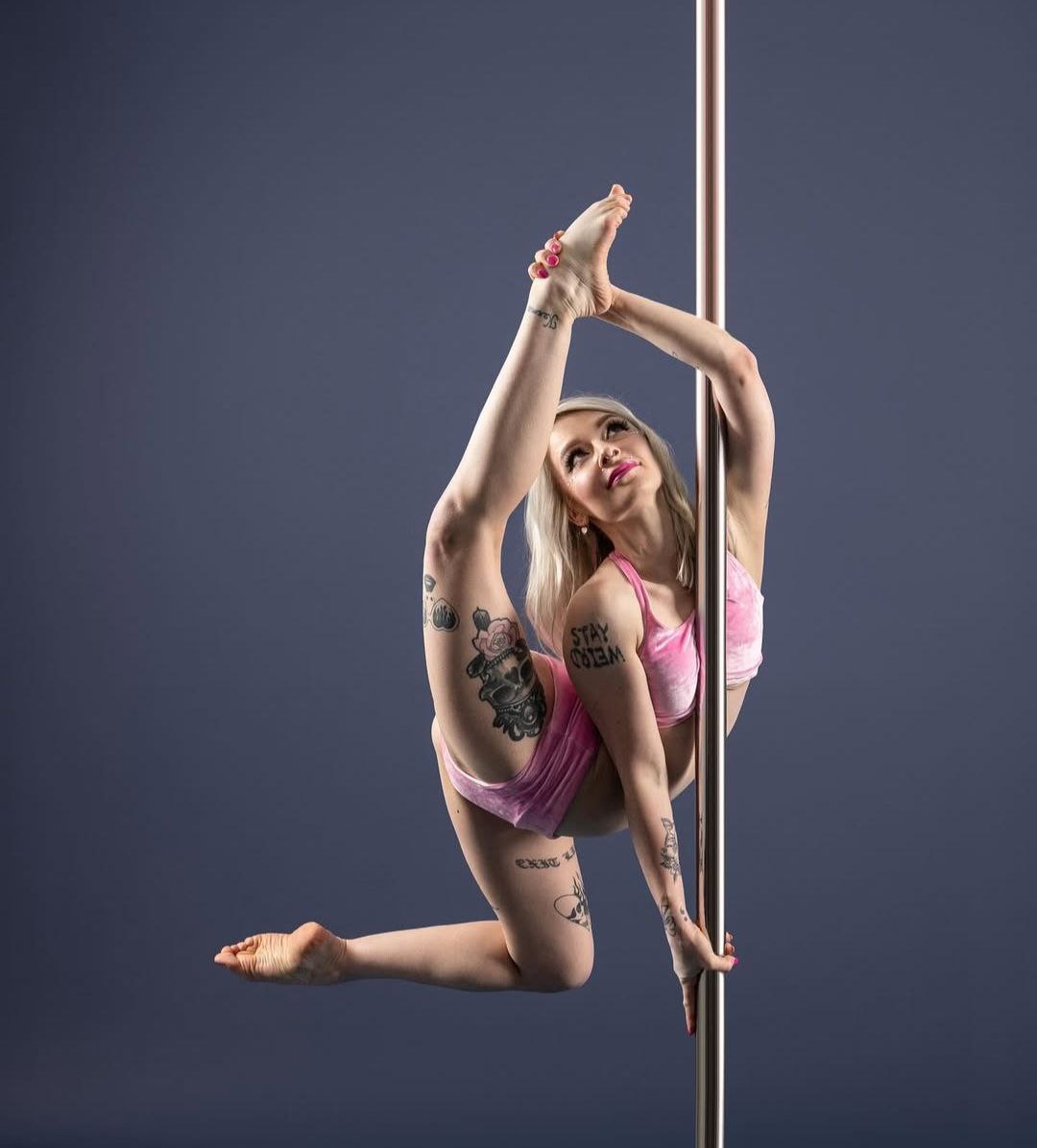
Reaching the advanced tier marks a shift from isolated strength to explosive power, high-level flexibility, and seamless artistic expression. Advanced athletes work within a highly specialized elite pole training pathway, where they master dynamic movements like phoenix regrips, static flips, and intricate threadworks. At this level, the physical load on the body is immense, requiring a mature understanding of recovery strategies, sports nutrition, and mental imagery.
Advanced dancers are no longer just executing individual elements; they are creating long, demanding routines that test anaerobic capacity to its limits. Cardiovascular conditioning must be integrated off the pole to ensure the athlete can sustain energy levels across a four-minute competitive piece. Furthermore, psychological training becomes a pillar of daily practice. Overcoming the fear of dynamic releases and high-altitude drops requires cognitive behavioral techniques, meticulous spotter utilization, and progressive step-by-step breakdowns of elite maneuvers.
As the lines between sport and art blur, the athlete’s apparel must reflect their personal brand while meeting extreme functional demands. Training gear needs to feel like a seamless extension of the body during complex configurations. Many top-tier performers choose to practice in breathable, avant-garde pieces, often finding inspiration within a contemporary mesh pole wear line that offers breathability during high-intensity training while maintaining a striking visual silhouette. The advanced dancer knows that how they feel in their gear directly correlates with their willingness to push creative boundaries.
Stage 4: The Elite Master – Competition, Specialization, and Innovation
The apex of the development model belongs to the elite competitor and professional performer. At this final stage of long term pole development, the athlete is no longer trying to learn new tricks; instead, they are perfecting their unique signature style, optimizing point scores under specific federation rules (such as IPSF or POSA), and innovating new movement concepts. Elite training is highly individualized, often involving a team of coaches, physiotherapists, and choreographers.
Periodization reaches its most sophisticated form here, with training blocks meticulously designed around competitive seasons. The year is divided into macrocycles focusing on base conditioning, microcycles for routine run-throughs, and dedicated tapering periods to ensure peak physical condition on competition day. Longevity becomes the ultimate goal, requiring an elite athlete to listen to their body, implement proactive physical therapy, and master the art of active recovery to preserve joint health.
When stepping onto the grand stage or shooting promotional media, presentation is just as impactful as technical execution. The elite athlete requires custom-level aesthetics that scream professionalism and high-fashion design. Performers looking to make a memorable statement often select pieces from the architectural okto pole collection or keep their look updated by sourcing from the freshest new pole wear collection to ensure their wardrobe matches their world-class skills. For the elite master, the pole is an instrument of absolute self-mastery and athletic excellence.
Honoring the Journey of the Aerial Athlete
Long-term athletic development in pole dance is a marathon, not a sprint. By respecting the natural timeline of the pole athlete progression model, dancers can safeguard their health while unlocking heights of physical prowess they never thought possible. From the first nervous climb as a beginner to the flawless execution of an elite competitive routine, each phase brings its own set of challenges, triumphs, and wardrobe requirements.
True mastery lies in loving the process of gradual growth. When you prioritize clean technique, consistent conditioning, and high-quality equipment, you build a foundation that lasts for decades. Let your training be smart, your recovery intentional, and your passion unwavering as you ascend through the ranks of this beautiful, demanding sport.