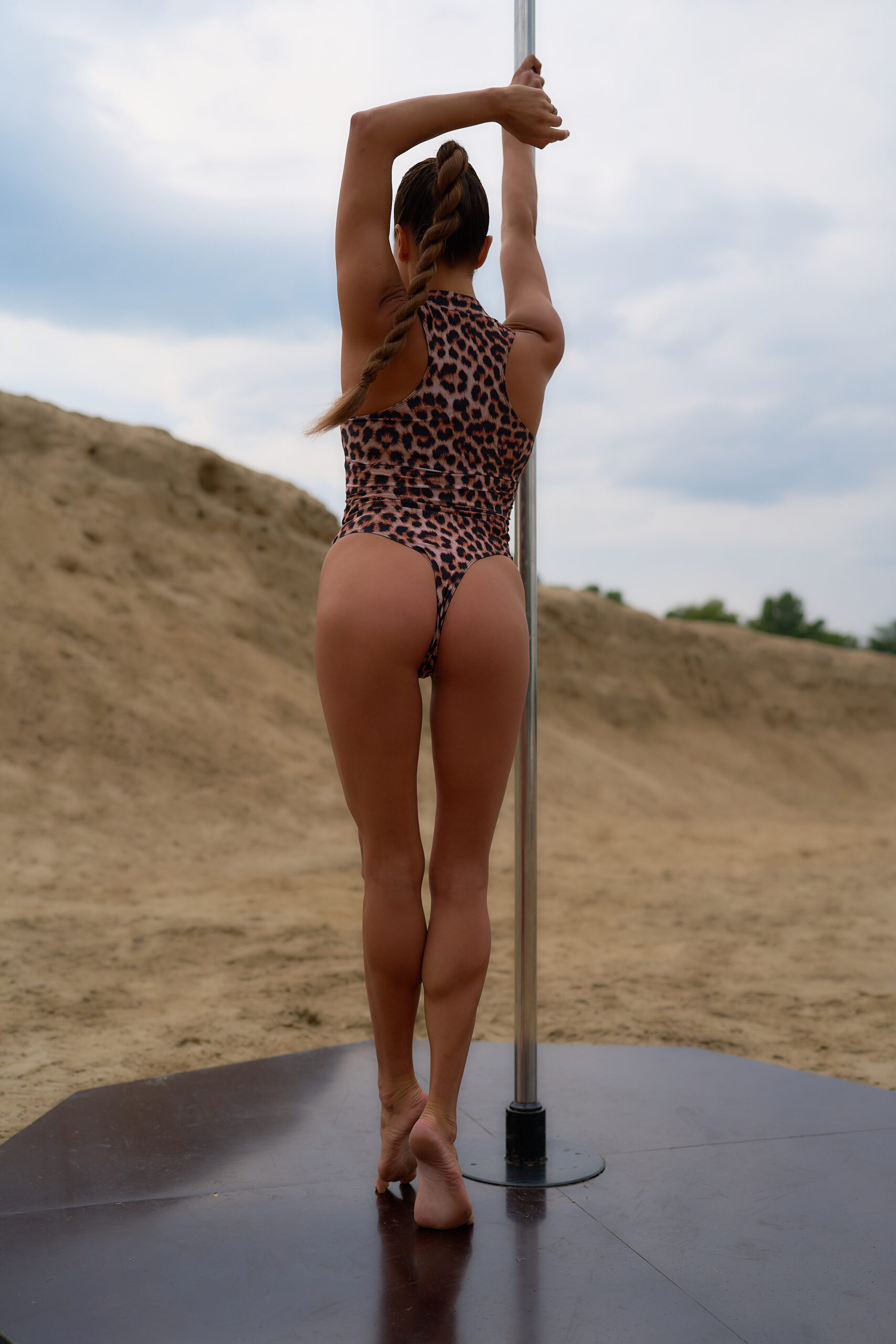
Stage Lighting & Visual Perception in Competitive Pole
In the world of competitive pole, performance goes far beyond physical strength and technical precision. Judges and audiences alike are influenced not only by execution but also by how a routine is perceived visually. One of the most powerful yet often underestimated elements shaping that perception is stage lighting. When used strategically, lighting transforms a routine into a compelling visual narrative, enhancing the athlete’s presence, emphasizing movement, and amplifying emotional impact.
Understanding the relationship between stage lighting pole competition environments and human visual perception is essential for athletes who want to stand out. Lighting is not merely a background element—it is a performance tool. From spotlight positioning to color temperature and shadow dynamics, every lighting decision affects how movements are interpreted and remembered.
This article explores how lighting influences perception, how athletes can adapt their routines accordingly, and how to maximize the visual impact pole performance through intentional stage awareness.
The Role of Stage Lighting in Pole Competitions
Stage lighting in pole competitions serves multiple functions simultaneously. First, it ensures visibility, allowing judges to clearly see technique, lines, and control. Second, it creates atmosphere, supporting the theme or emotional tone of the routine. Third, it directs attention—guiding the audience’s gaze to key moments.
Lighting setups vary widely between competitions. Some stages use bright, evenly distributed white light to prioritize clarity and fairness. Others incorporate dynamic lighting with color shifts, moving beams, and contrast effects to enhance theatrical elements. Regardless of complexity, lighting always interacts with the athlete’s movement.
A well-lit performance can make transitions appear smoother, lines sharper, and poses more dramatic. Conversely, poor lighting can flatten depth, obscure details, and reduce the overall impression of the routine. This is why understanding stage lighting pole competition conditions before performing is a critical step in preparation.
Athletes who train under varied lighting conditions often adapt more effectively on stage. They learn how their body appears under different intensities, how shadows alter perception, and how reflective surfaces—like the pole itself—interact with light sources.
How Visual Perception Shapes Judging and Audience Experience
Human visual perception is highly sensitive to contrast, motion, and focus. In a competitive setting, judges process large amounts of visual information quickly. Lighting plays a key role in determining what stands out and what fades into the background.
For example, high contrast lighting can make movements appear more defined. When a performer is illuminated against a darker background, every extension and rotation becomes more visible. This enhances the visual impact pole performance, making even simple moves appear more striking.
On the other hand, flat lighting reduces contrast and depth. While it may improve visibility, it can also diminish the dramatic effect of a routine. Movements may look less dynamic, and transitions may appear less fluid. This can subtly influence scoring, even if the technical execution remains unchanged.
Audience perception works in a similar way but is more emotionally driven. Lighting color, intensity, and direction all contribute to how a performance feels. Warm tones can create intimacy and softness, while cool tones evoke precision and control. Dynamic lighting changes can build tension and excitement, reinforcing musical accents and choreography.
Understanding these perceptual factors allows athletes to design routines that align with how viewers naturally interpret visual stimuli.
Lighting Angles, Shadows, and Body Lines
One of the most important aspects of lighting in pole competitions is the angle at which light hits the performer. Lighting from above is common in most venues, but additional side or front lighting can dramatically change how the body is perceived.
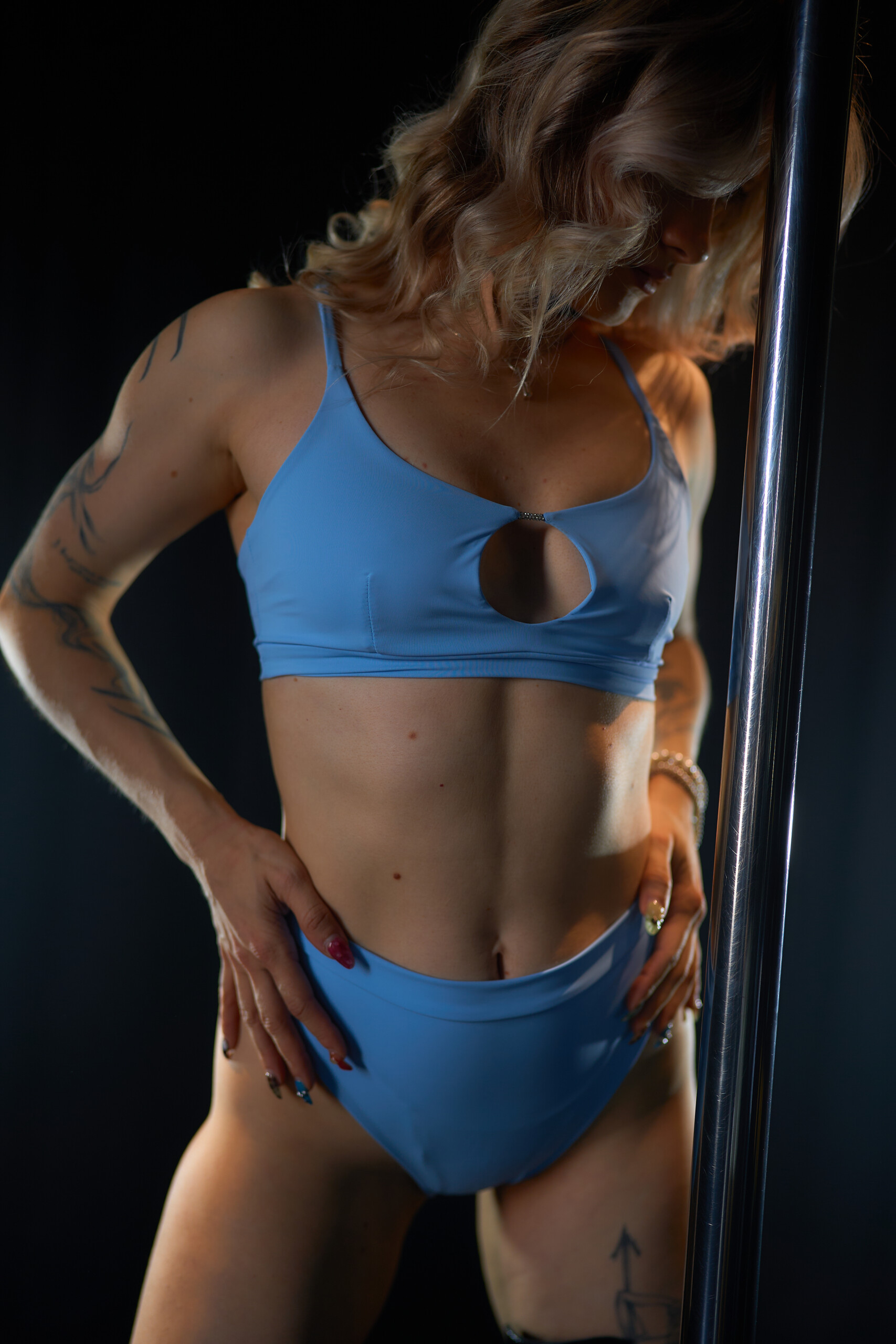
Top-down lighting tends to create shadows beneath the body, which can either enhance or obscure lines depending on positioning. Side lighting, however, is particularly effective for highlighting muscle definition and elongating shapes. It emphasizes contours, making movements appear more sculptural and defined.
Shadows themselves are not inherently negative. When used effectively, they add depth and dimension to a performance. A well-placed shadow can extend a line visually, making a pose appear larger and more dramatic. However, excessive shadowing can hide key details, especially during complex transitions or inverted moves.
Athletes can use this knowledge to adjust their positioning on stage. Small changes in angle—such as rotating slightly toward the light source—can significantly improve how a move is perceived. This is especially important for static holds, where visual clarity is crucial.
In a stage lighting pole competition, awareness of light direction can be the difference between a move looking average or exceptional.
Color Psychology and Emotional Impact
Color plays a powerful role in shaping emotional responses. In pole competitions, lighting color can either support or conflict with the theme of a routine. While athletes do not always control lighting design, understanding its effects can help them adapt their performance style.
Warm colors like red, orange, and amber tend to evoke energy, passion, and intensity. They are often used in powerful, dynamic routines. Cool colors such as blue and purple create a sense of calm, elegance, or mystery, making them ideal for slower, more fluid performances.
Neutral white lighting, while less dramatic, provides clarity and allows the athlete’s technique to take center stage. It is commonly used in competitions where judging criteria prioritize precision over theatricality.
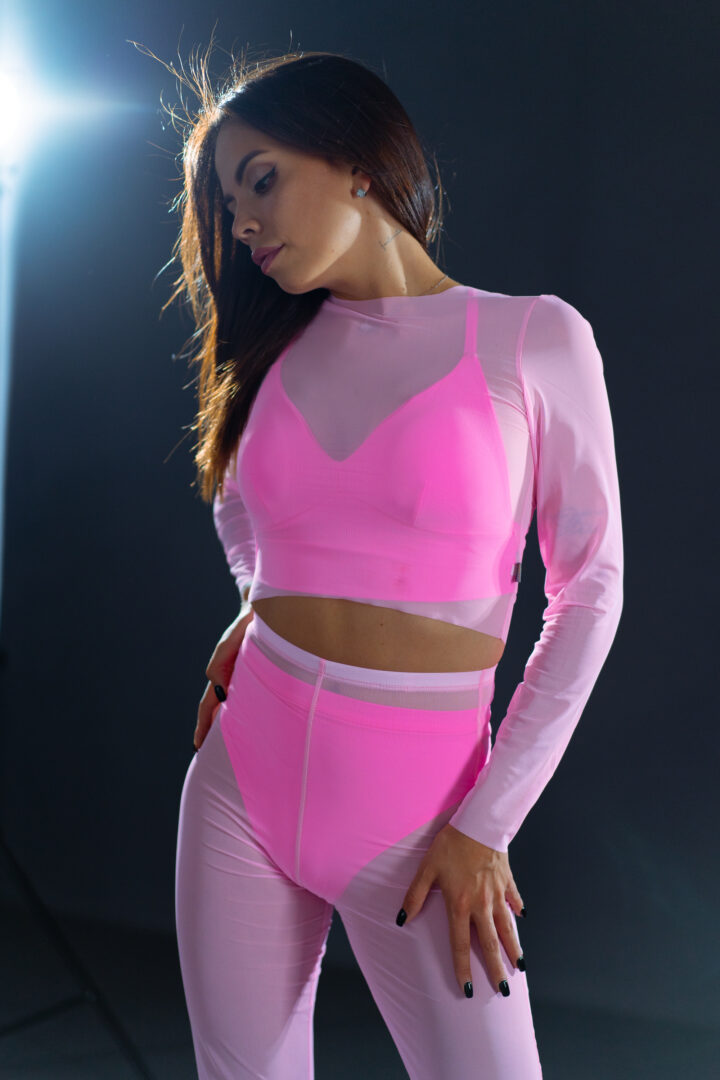
The interaction between costume, skin tone, and lighting color also affects visibility. Certain colors may blend into the background or reflect light differently, altering how movements are perceived. Athletes should consider how their outfit will look under various lighting conditions to ensure maximum contrast and visibility.
Ultimately, aligning performance style with lighting conditions enhances the overall visual impact pole performance, creating a cohesive and memorable experience.
Movement Timing and Light Interaction
Timing is a crucial element in maximizing the effect of stage lighting. Even in static lighting setups, movement can interact with light in dynamic ways. Spins, drops, and transitions can catch and reflect light differently, creating moments of visual emphasis.
For example, a spin performed directly under a spotlight will produce a consistent highlight, making the movement appear smooth and continuous. Moving in and out of the light, however, can create contrast and variation, adding visual interest.
Athletes can also use pauses strategically. Holding a pose in a well-lit area allows judges and audiences to fully register the position, increasing its impact. Quick transitions in darker areas can be used to mask less visually appealing movements or to build anticipation.
In competitions with dynamic lighting, synchronization becomes even more important. Matching key movements to lighting changes or musical accents can elevate a routine significantly. Even subtle awareness of light intensity shifts can help athletes position themselves more effectively on stage.
Mastering this interaction requires practice and stage experience, but the payoff in terms of presentation quality is substantial.
Practical Tips for Maximizing Visual Impact
To fully leverage lighting in a competitive setting, athletes should adopt a strategic approach. Preparation should include not only physical training but also visual awareness.
First, whenever possible, observe the stage before performing. Note the position of lights, intensity levels, and any areas of shadow. This information can guide last-minute adjustments to positioning and movement.
Second, rehearse under different lighting conditions. Training exclusively in a brightly lit studio may not prepare you for the variability of a competition stage. Practicing in dim or directional lighting helps build adaptability.
Third, design choreography with visibility in mind. Highlight key moments in well-lit areas and avoid placing important transitions in shadowed zones. Consider how each movement will appear from the judges’ perspective.
Fourth, choose costumes that enhance contrast and reflect light appropriately. Materials with slight sheen can catch light beautifully, but excessive reflection may become distracting.
Finally, develop stage awareness. Knowing where you are in relation to light sources allows you to make subtle adjustments in real time, ensuring that every movement is presented at its best.
Stage lighting is a powerful yet often overlooked factor in competitive pole performance. It shapes how movements are perceived, influences emotional responses, and ultimately affects both judging and audience engagement. By understanding the principles of stage lighting pole competition environments and leveraging them effectively, athletes can significantly enhance their presentation.
The key lies in awareness and adaptability. From lighting angles and shadows to color psychology and timing, every element contributes to the overall visual impact pole performance. When these factors are aligned with strong technique and thoughtful choreography, the result is a performance that not only meets technical standards but also captivates and resonates.
In a competitive landscape where small details can make a big difference, mastering the interplay between light and movement is not just an advantage—it is a necessity.
Rate this post