
Sustainability Beyond Fabric: Ethical Manufacturing in Dancewear
In recent years, the conversation around sustainability in fashion has expanded far beyond eco-friendly fabrics. While the choice of materials—organic cotton, recycled polyester, or bamboo—remains important, the ethics of production and the integrity of the supply chain are increasingly critical in defining truly responsible fashion. This is particularly relevant in the world of dancewear, where comfort, performance, and durability must coexist with environmental and social responsibility. Ethical dancewear production is no longer a niche concern; it is a vital standard for brands committed to shaping a better future for both people and the planet.
The Rise of Ethical Dancewear Production
Ethical dancewear production focuses on minimizing environmental impact while ensuring fair labor practices throughout the manufacturing process. Unlike conventional manufacturing, where speed and cost often outweigh human welfare, ethical production prioritizes transparency, safety, and sustainability. For dancers, this means choosing apparel that not only enhances performance but also reflects a commitment to responsible fashion fitness.
From the spinning of yarn to the final stitch, every stage of production can be optimized to reduce waste and carbon footprint. Factories adhering to ethical practices monitor energy usage, water consumption, and chemical treatments, ensuring that each garment is made with minimal harm to the environment. Moreover, ethical dancewear production emphasizes the importance of fair wages, safe working conditions, and workers’ rights, providing dignity and stability to those behind the scenes.
Consumers are increasingly demanding this level of accountability. Transparent supply chain apparel has become a hallmark of credibility, allowing customers to trace the journey of their garments from raw material sourcing to finished product. For dancers, wearing apparel produced ethically becomes not just a fashion choice but a statement of values.
Understanding Transparent Supply Chain Apparel
Transparency in the supply chain is one of the pillars of responsible fashion fitness. Unlike traditional manufacturing systems, where sourcing and labor conditions may be opaque, a transparent supply chain provides visibility into every step of production. This allows brands to showcase their commitment to ethical practices while enabling consumers to make informed decisions.
In the context of dancewear, transparent supply chain apparel often involves partnerships with certified suppliers, independent audits, and clear reporting on sourcing practices. Materials such as recycled nylon or ethically harvested silk are labeled with precise origin information, giving dancers confidence that their garments are not only high-performing but also responsibly made.
Beyond environmental considerations, transparency fosters trust. When brands openly communicate about working conditions, wages, and community initiatives, it bridges the gap between consumers and producers. This connection strengthens loyalty and encourages a culture of accountability, ensuring that ethical dancewear production is not just a marketing claim but a measurable reality.
Social Responsibility in Dancewear Manufacturing
Sustainability is incomplete without social responsibility. While eco-friendly materials are essential, the human element of ethical dancewear production is equally critical. Workers in apparel factories often face long hours, unsafe environments, and unfair compensation. Ethical brands actively work to mitigate these issues, ensuring their partners adhere to internationally recognized labor standards.
Programs supporting worker education, healthcare, and community development are increasingly integrated into responsible fashion fitness strategies. By investing in people, brands not only enhance the well-being of their workforce but also create a more resilient and motivated production network. For dancers, this means their clothing embodies values of fairness, equity, and care, transforming every performance into a statement of conscious consumption.
Furthermore, ethical dancewear production often encourages local manufacturing when feasible. By reducing reliance on global shipping networks, brands can decrease emissions and support local economies. This localized approach also allows closer monitoring of labor conditions and quality control, creating a virtuous cycle of responsibility that benefits both producers and end consumers.
Innovation and Sustainability in Design
Modern ethical dancewear blends functionality with eco-conscious design. Innovations in material science, such as plant-based stretch fabrics or biodegradable elastics, allow dancers to perform at the highest level without compromising sustainability goals. Designers are reimagining patterns to minimize waste, employing zero-waste cutting techniques and modular designs that extend the life of garments.
Responsible fashion fitness extends beyond production into the lifecycle of apparel. Many brands now offer recycling programs or garment take-back initiatives, ensuring that worn-out dancewear does not end up in landfills. Consumers are empowered to participate in sustainability practices, creating a community that values longevity over disposability.
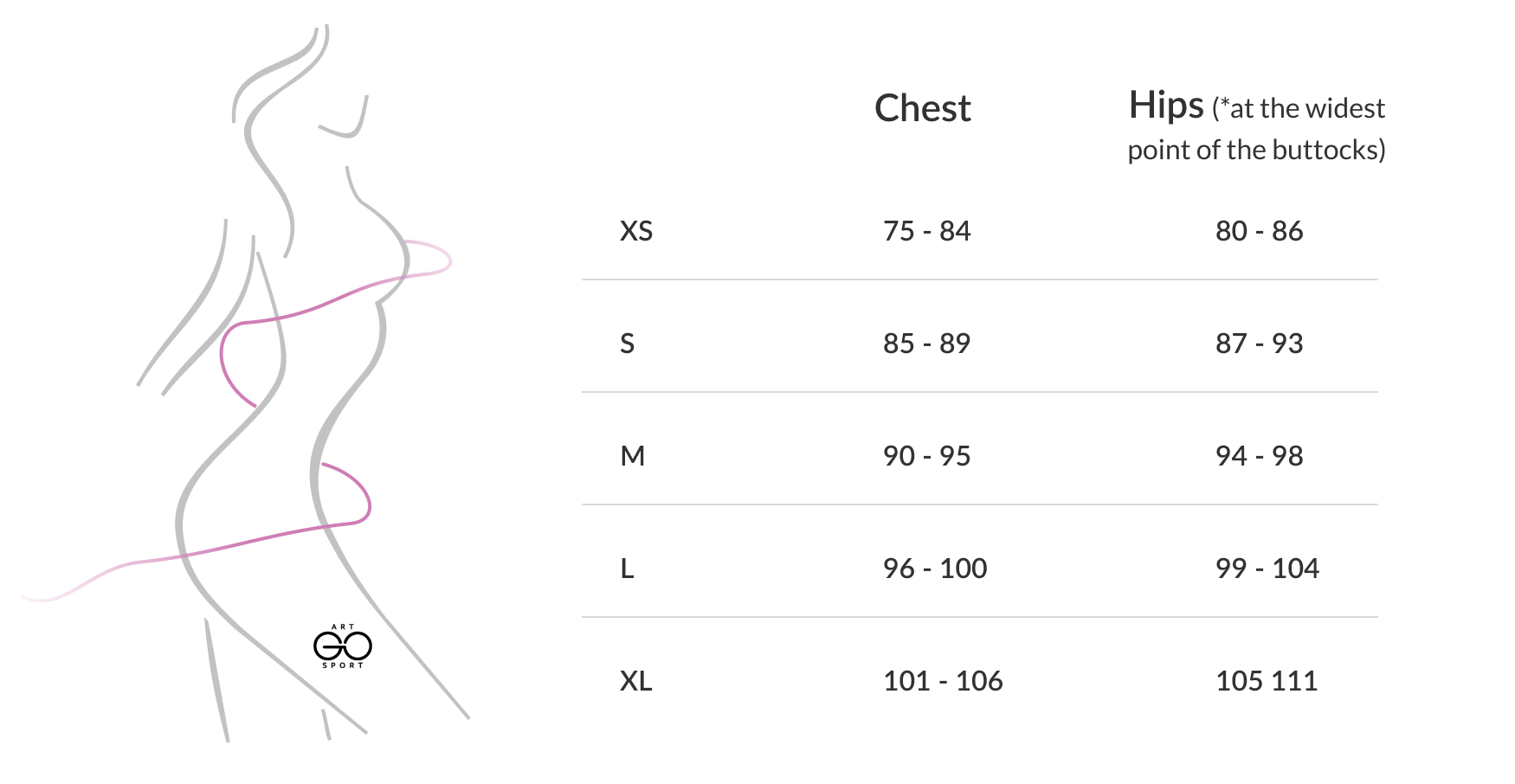
Ethical dancewear production also embraces inclusivity in sizing and fit, recognizing that responsible apparel should cater to diverse body types without resorting to exploitative practices. This holistic approach ensures that sustainability is not only environmental but also equitable and accessible.
Challenges and Future Directions
Despite progress, challenges remain in achieving fully ethical dancewear production. Supply chains are complex, and monitoring every link requires substantial investment. Small brands may struggle with the cost of certifications, and transparency can expose vulnerabilities that some companies are reluctant to publicize.
However, the trajectory is clear: consumers increasingly value transparency, sustainability, and social responsibility. As demand grows, more brands will adopt ethical practices not merely as an ethical choice but as a competitive necessity. Collaborative industry initiatives, technological advancements in supply chain tracking, and increased regulatory pressure will further drive responsible fashion fitness forward.
For dancers, this evolving landscape presents an opportunity to align personal values with performance needs. By choosing ethical dancewear, they contribute to a broader movement that champions human rights, environmental stewardship, and long-term innovation in apparel design.
Conclusion
Sustainability in dancewear extends far beyond the choice of fabric. Ethical dancewear production, transparent supply chain apparel, and responsible fashion fitness collectively define a new standard for the industry—one where environmental and social responsibility are as essential as comfort and performance. Dancers today have the power to influence not only the aesthetics of their sport but also the ethical integrity of the apparel they wear. By embracing these values, the dance community can help reshape the fashion industry into one that respects both people and the planet, ensuring that every leap, spin, and stretch reflects a commitment to sustainability beyond fabric.
Rate this post