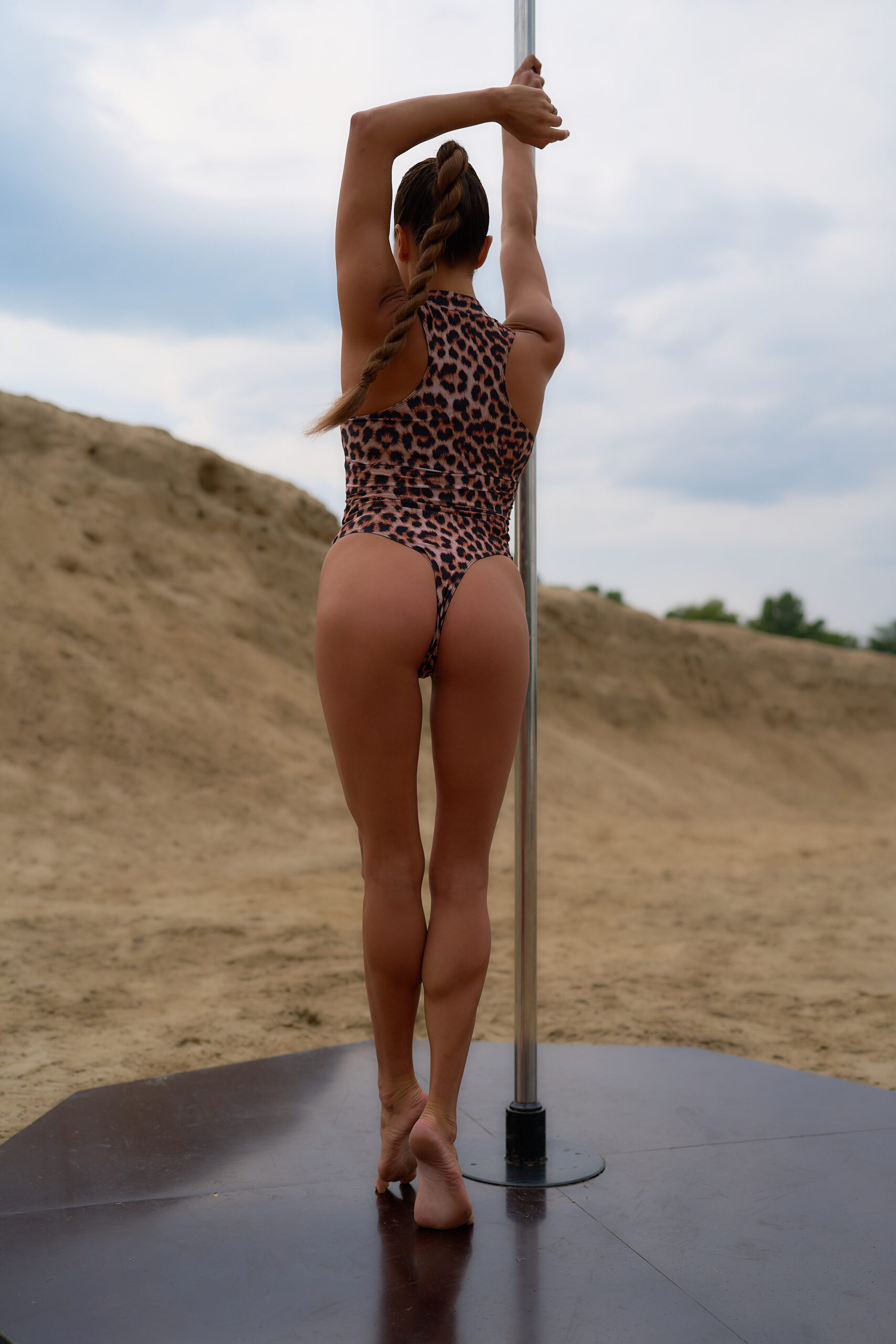
DIY Pole Dance Photography: Capturing Stunning Shots
Pole dance is a powerful blend of athleticism, artistry, and emotion. Capturing it through photography is not just about freezing a pose—it’s about telling a story of strength, flow, and self-expression. DIY pole dance photography allows dancers and creators to control their vision, experiment freely, and build a personal visual identity without relying on professional studios.
Whether you are a pole dancer documenting progress, a content creator building a portfolio, or a hobby photographer fascinated by movement, learning how to photograph pole dancers at home can elevate your visuals dramatically. With the right preparation, lighting, and creative mindset, stunning images are absolutely achievable—even without expensive equipment.
This guide dives deep into practical pole dance photography tips, composition strategies, lighting setups, and creative pole dance photo ideas that help you capture images that feel dynamic, confident, and visually compelling.
Understanding Movement and Timing in Pole Dance Photography
Pole dance is defined by motion. Spins, climbs, inverts, and transitions all happen in fluid sequences, which makes timing one of the most important aspects of photography. Anticipating movement is more valuable than reacting to it.
Spend time understanding the routine or individual tricks before shooting. If you are photographing yourself, rehearse the movement and note the moments where the body clearly opens toward the camera. Extended lines, pointed toes, and controlled still points within a flow are often the most photogenic moments.
One of the best pole dance photography tips is to shoot in short bursts. Even when the pose feels static, micro-movements in hands, hair, or legs can dramatically change the final image. Shooting multiple frames increases the chance of capturing the exact moment where strength, balance, and elegance align.
Finally, don’t rush transitions. Some of the most striking images come not from full tricks, but from the in-between moments where muscles engage and the body tells a story of effort and control.
Lighting Setup: Creating Drama and Definition
Lighting can transform an average image into a striking one. In pole dance photography, light is essential for defining muscles, creating depth, and emphasizing lines. Fortunately, DIY setups can still deliver impressive results.
Natural light is often the best starting point. Position your pole near a large window and shoot during early morning or late afternoon when the light is softer. Side lighting works particularly well, as it highlights contours without flattening the body.
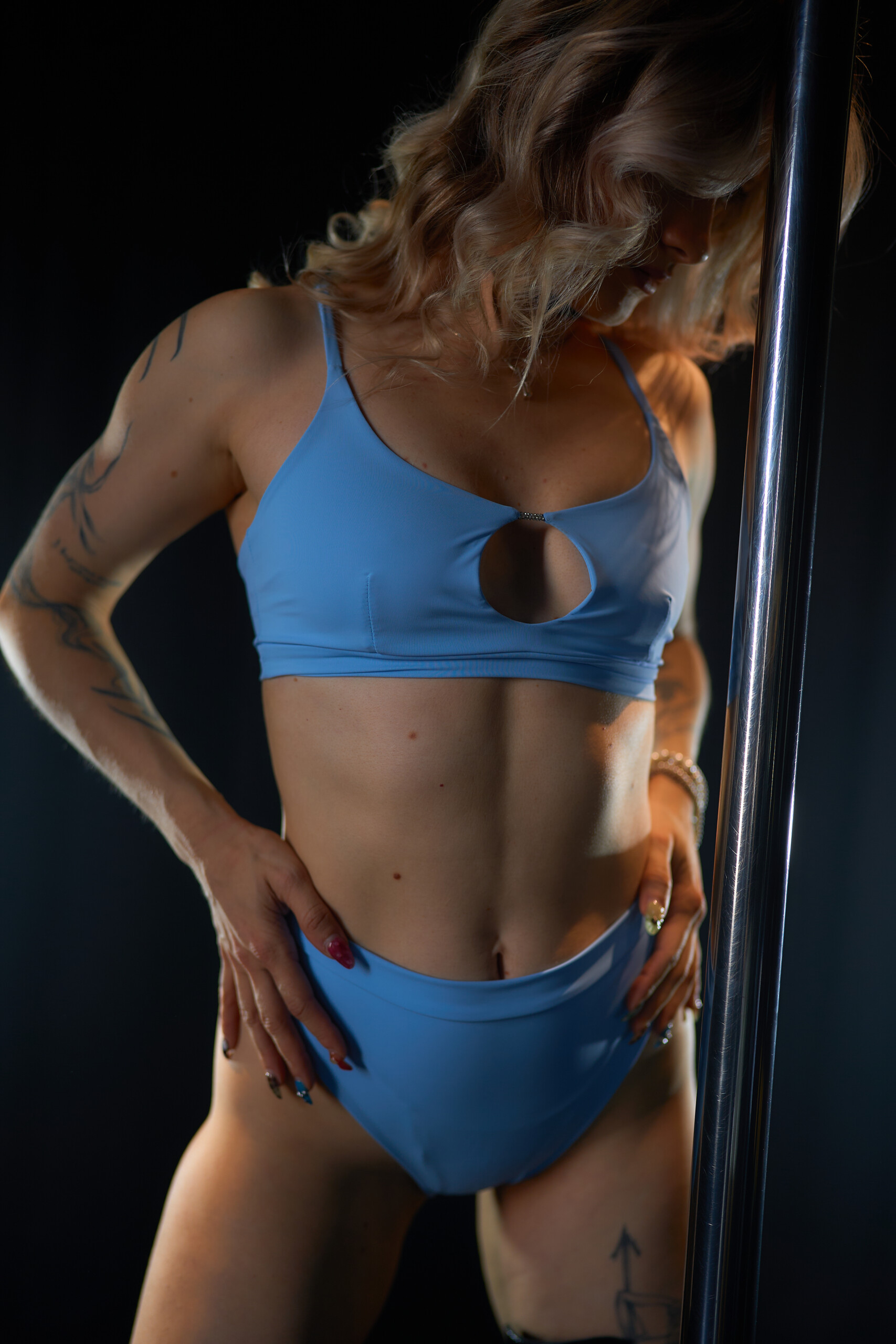
If natural light is limited, a single continuous light or softbox can be enough. Place the light slightly to the side and above the dancer to mimic studio lighting. Avoid direct frontal lighting, which tends to erase shadows and muscle definition.
Experiment with shadows intentionally. Darker backgrounds combined with directional light can create a dramatic, editorial look. This approach works especially well for powerful poses and strength-based tricks, adding intensity and mood to the image.
Camera Settings and Equipment for DIY Shoots
You don’t need professional gear to master how to photograph pole dancers effectively. Many modern smartphones and entry-level cameras are more than capable when used correctly.
If using a camera, set a fast shutter speed to freeze movement, especially for spins or drops. A moderate aperture helps keep the entire body in focus while still separating the dancer from the background. Keep ISO as low as possible to maintain image clarity.
Tripods are essential for solo shoots. They allow consistent framing and give you freedom to focus entirely on movement. Pairing a tripod with a remote shutter or timer makes self-photography much easier and more controlled.
Clean your lens, check your frame edges, and test your setup before starting. Small technical details can make a big difference in final image quality.
Composition Techniques That Elevate Pole Dance Photos
Strong composition guides the viewer’s eye and enhances the visual impact of the pose. In pole dance photography, the pole itself is a powerful compositional tool.
Use the pole as a vertical anchor within the frame. Aligning the body diagonally across the image adds energy and dynamism. Negative space can also be used intentionally to emphasize height, control, or isolation.
Avoid cutting off hands, feet, or the head unless it’s a deliberate stylistic choice. Full-body framing works best for showcasing lines, while closer crops can highlight grip strength or emotional expression.
Mirrors can be used creatively but should be handled carefully to avoid cluttered reflections. Simple backgrounds help keep the focus on the dancer and the movement itself.
Styling, Clothing, and Visual Cohesion
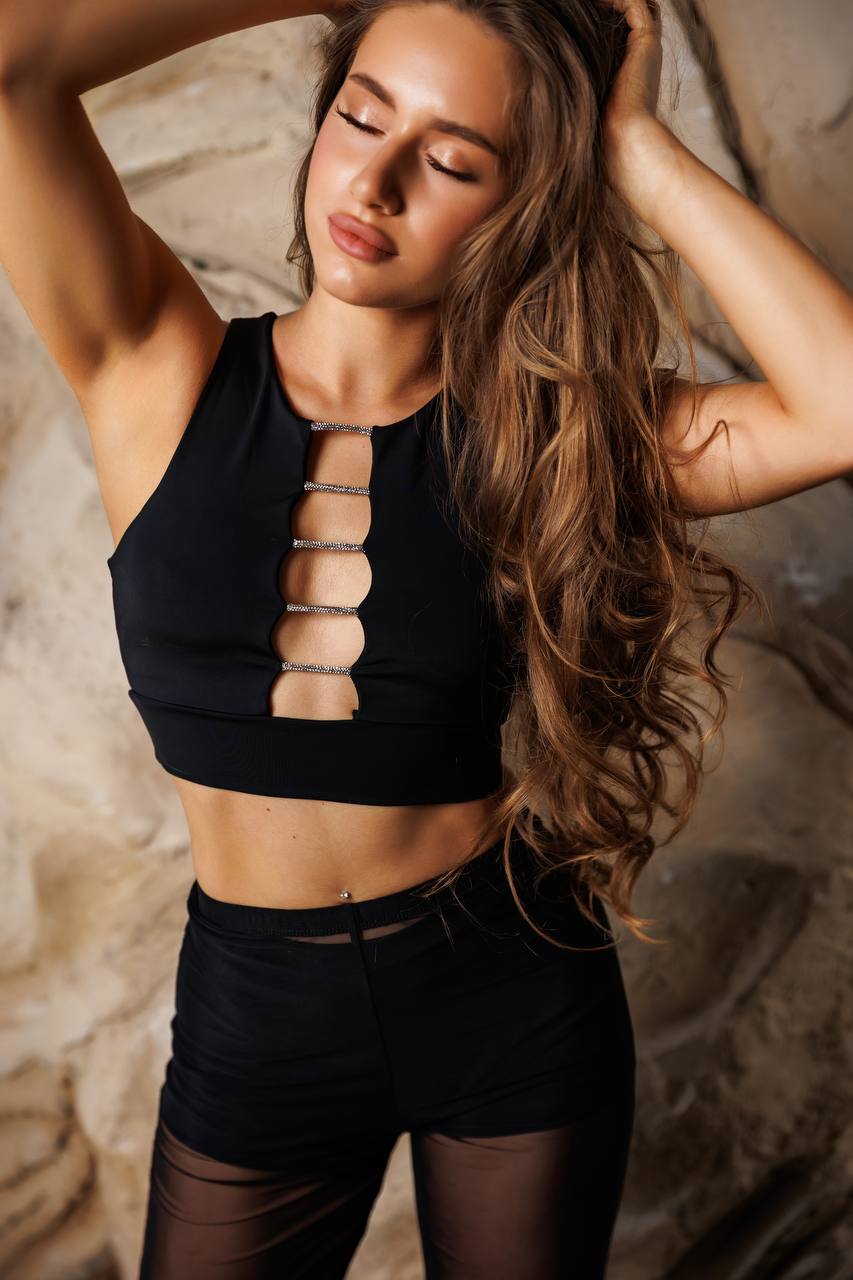
Wardrobe plays a critical role in visual storytelling. Outfits should complement the pose rather than distract from it. Solid colors generally photograph better than busy patterns, especially under strong lighting.
Choose clothing that highlights muscle engagement and allows freedom of movement. High-contrast outfits can help the body stand out against the background, while monochrome looks often feel elegant and timeless.
Hair and makeup don’t need to be dramatic, but they should feel intentional. Even minimal styling can elevate the final image and make it look polished rather than accidental.
Consistency is key. A cohesive visual style across your images builds a stronger portfolio and makes your work instantly recognizable.
Creative Pole Dance Photo Ideas to Explore
Creativity is where DIY pole dance photography truly shines. Experimenting with themes, moods, and angles can help you discover a unique visual voice.
Try shooting from a low angle to exaggerate height and power, or from above to emphasize control and geometry. Playing with motion blur can create artistic images that convey speed and flow rather than precision.
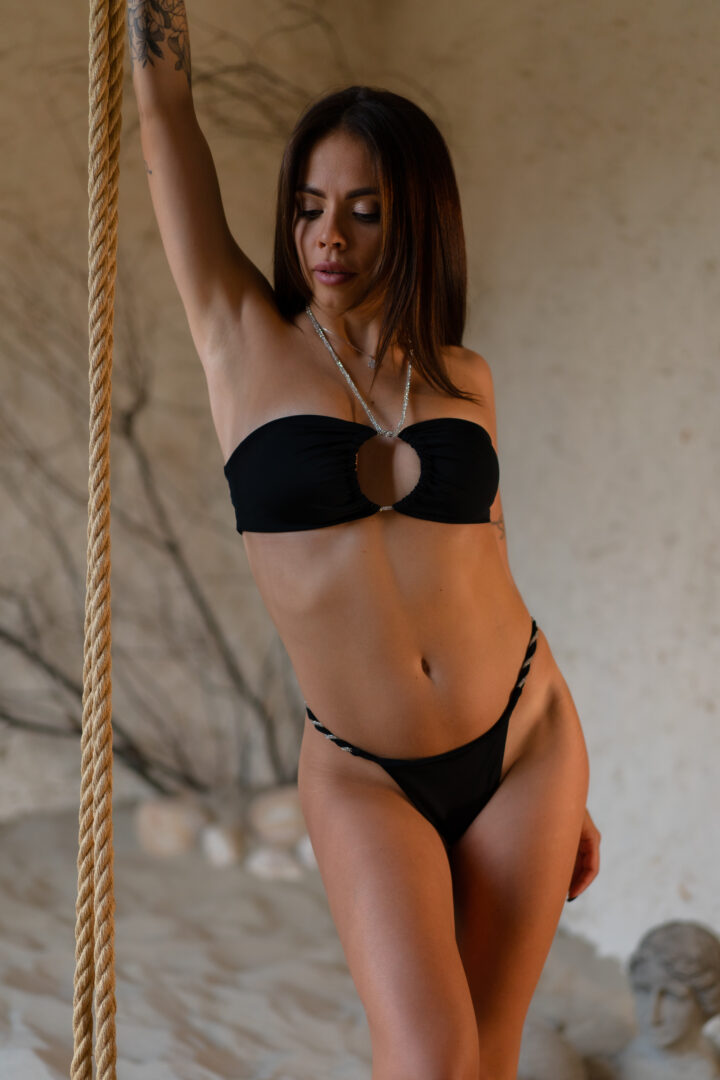
Incorporate props like fabric, chairs, or textured walls to add narrative depth. Even simple changes—like shooting in black and white—can transform the emotional tone of an image.
Most importantly, allow yourself to experiment without pressure. Some of the most compelling pole dance photo ideas come from playful exploration rather than rigid planning.
Editing and Post-Processing for a Professional Finish
Editing is where your images come together. Focus on enhancing light, contrast, and clarity rather than over-retouching. Skin texture and muscle definition should remain natural.
Adjust exposure and shadows to emphasize depth. Slight color grading can help create mood, whether warm and empowering or cool and dramatic.
Consistency in editing style is essential, especially if you plan to share images online or build a portfolio. A recognizable aesthetic strengthens your visual identity and improves audience engagement.
Final Thoughts on DIY Pole Dance Photography
DIY pole dance photography is a powerful way to document growth, celebrate strength, and express creativity. With thoughtful lighting, intentional composition, and an understanding of movement, anyone can create compelling images at home.
By applying these pole dance photography tips, learning how to photograph pole dancers effectively, and exploring creative pole dance photo ideas, you can transform simple setups into striking visual stories that truly represent the art of pole dance.
Rate this post