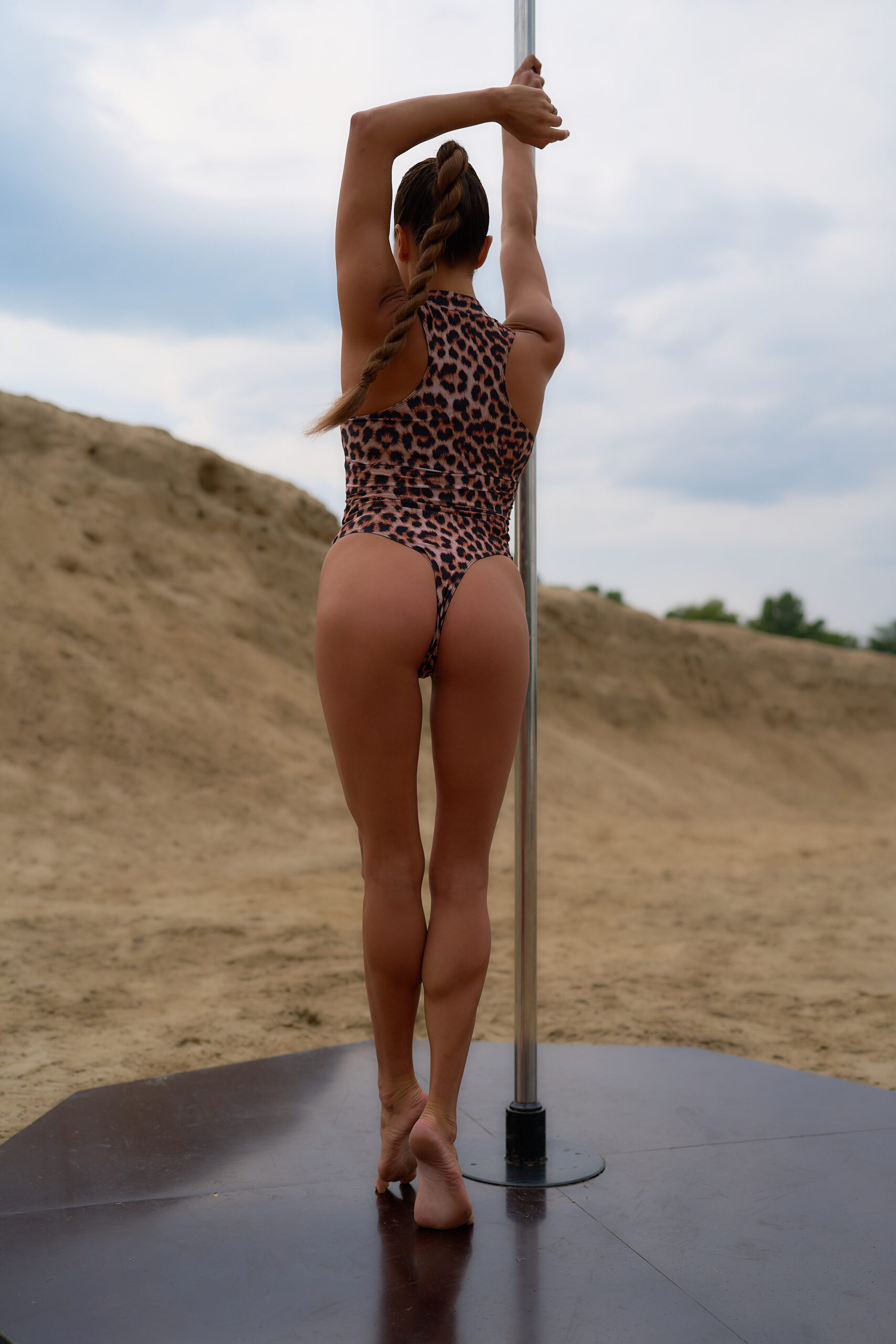
The Rise of Pole Flow: Smooth Transitions and Artistic Expression
Pole dance has undergone a remarkable transformation over the past decade. Once widely misunderstood and narrowly categorized, it has evolved into a respected movement discipline that blends strength, flexibility, musicality, and storytelling. Among the most influential developments within this evolution is the rise of pole flow — a style that prioritizes fluidity, continuity, and emotional expression over isolated tricks or purely athletic performance.
Pole flow is not about rushing from one impressive move to another. Instead, it focuses on how the body travels through space, how movements connect seamlessly, and how dancers interpret music through motion. As audiences and dancers alike search for deeper meaning and artistry, pole flow moves have become a defining feature of modern pole culture.
This shift reflects a broader change in how pole dance is perceived: not just as a sport or fitness practice, but as a form of artistic pole dance capable of conveying mood, narrative, and individuality.
What Is Pole Flow and Why Does It Matters?
At its core, pole flow is the art of continuous movement around and on the pole. Rather than emphasizing static poses or maximum difficulty, it values rhythm, breath, and natural transitions. A well-executed flow sequence feels effortless, even when it requires high levels of control and technique.
One of the reasons pole flow resonates so strongly is its accessibility. While advanced tricks often require years of training, flow allows dancers at different levels to express themselves creatively. Simple spins, walks, floorwork, and body waves can be elevated through intention, timing, and musicality. This makes pole flow both inclusive and deeply personal.
Another key aspect is sustainability. Constantly training extreme tricks can be physically taxing, whereas flow-based practice encourages listening to the body and exploring movement without unnecessary strain. As longevity becomes a priority in pole training, flow offers a healthier, more mindful approach.
From a performance perspective, audiences often connect more strongly with flow-based routines. Smooth transitions create visual harmony and emotional coherence, making performances more memorable and impactful.
The Anatomy of Pole Flow Moves
Understanding pole flow moves requires shifting focus from individual skills to movement pathways. Flow is built on transitions: how one action melts into the next without abrupt stops or resets.
Common elements of pole flow include circular pathways, spirals, controlled descents, and continuous contact with the pole or floor. Dancers often use levels — standing, kneeling, floorwork, aerial — to create dynamic contrast while maintaining smooth progression. The goal is not to impress with difficulty, but to maintain momentum and intention.
Breath plays a critical role. Inhaling and exhaling in sync with movement helps prevent stiffness and encourages natural rhythm. This connection between breath and motion is one reason flow feels almost meditative for many practitioners.
Importantly, pole flow is not limited to slow or sensual styles. It can be powerful, dramatic, playful, or experimental. What defines it is continuity, not tempo. Even fast-paced choreographies can embody flow when transitions are deliberate and cohesive.
Artistic Pole Dance as a Form of Storytelling
The rise of pole flow has gone hand in hand with the growing recognition of artistic pole dance. More dancers are approaching choreography as a narrative medium, using movement to express emotions, concepts, or personal experiences.
In artistic pole dance, technique serves expression rather than overshadowing it. A simple spin, when performed with intention, can convey vulnerability, strength, or joy. Flow allows these emotions to unfold naturally, without interruption.
Costuming, lighting, and music selection further enhance the artistic dimension. Dancers often choose minimalist outfits or soft fabrics that accentuate lines and movement quality. Music with layered textures or emotional depth provides space for interpretation, rather than dictating every beat.
This artistic approach has expanded pole dance beyond competitions and studios into theaters, galleries, and interdisciplinary performances. As a result, pole is increasingly seen as a legitimate contemporary art form rather than a niche discipline.
Pole Choreography Trends Shaping the Flow Movement
Several key pole choreography trends have fueled the popularity of flow-based styles. One major trend is the move away from trick-heavy routines toward concept-driven performances. Judges and audiences now value cohesion, musical interpretation, and originality as much as technical execution.
Another trend is the integration of floorwork and contemporary dance elements. Dancers borrow techniques from modern dance, improvisation, and somatic practices to enrich their movement vocabulary. This cross-disciplinary influence has made pole choreography more diverse and expressive.
Improvisation is also gaining traction. Many dancers use structured improvisation to explore flow, allowing the body to respond intuitively to music. This practice not only enhances creativity but also improves body awareness and confidence.
Finally, there is a growing emphasis on individuality. Rather than copying popular sequences, dancers are encouraged to develop their own movement signatures. This shift has led to a more authentic and varied pole landscape, where flow becomes a reflection of personal identity.
Training for Better Flow and Transitions
Developing strong flow does not happen by accident. It requires intentional practice focused on quality rather than quantity. One effective method is transition training: isolating the moments between moves and refining them until they feel natural and controlled.
Slow practice is particularly valuable. Performing sequences at half speed helps identify tension, balance issues, and unnecessary pauses. Over time, this awareness translates into smoother execution at full tempo.
Musicality exercises also play a crucial role. Dancing to different genres, tempos, and moods challenges the body to adapt and respond creatively. This versatility strengthens flow and prevents movement from becoming repetitive.
Equally important is mindset. Letting go of perfection and allowing movement to evolve organically fosters confidence and authenticity. Flow thrives when dancers trust their bodies and embrace exploration.
The Future of Pole Flow
As pole dance continues to evolve, flow is likely to remain a central pillar. Its emphasis on artistry, sustainability, and personal expression aligns with broader cultural shifts toward mindful movement and creative freedom.
New generations of dancers are entering the scene with diverse backgrounds in dance, yoga, and performance art. Their influence will further blur boundaries and expand what pole flow can look like.
Ultimately, the rise of pole flow represents more than a stylistic trend. It reflects a deeper understanding of movement as communication — a language that speaks through smooth transitions, embodied emotion, and artistic intention.
Rate this post