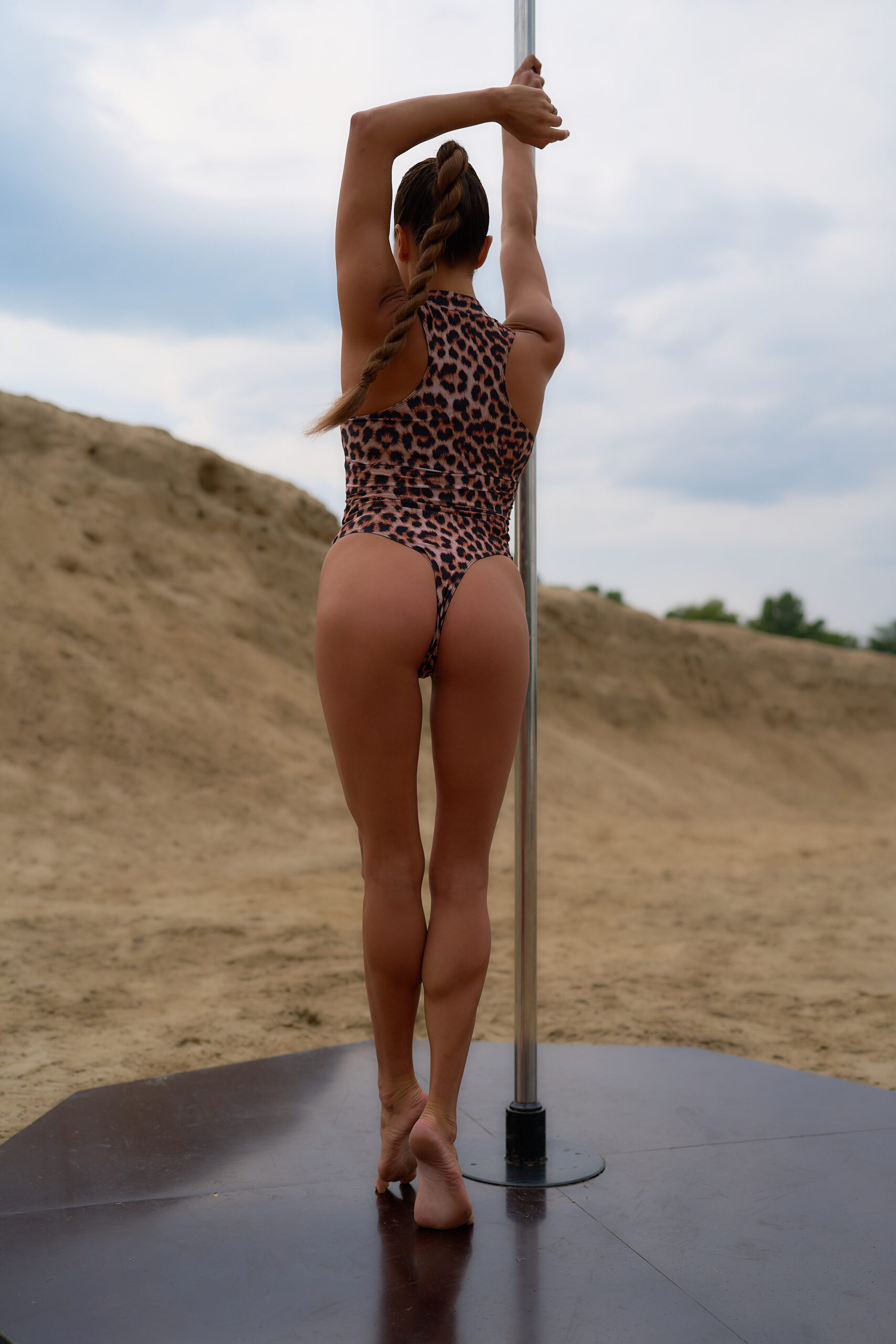
The Science of Grip: Why Some Fabrics Help You Stick Better on the Pole
Pole dance is as much a science as it is an art. At its core lies a deceptively simple problem: how to keep your body firmly attached to a vertical, often slippery, metal surface while executing dynamic movements and elegant holds. The answer doesn’t come only from technique and strength — it also comes from clothing. Choosing the right pole dance grip fabric can dramatically change how confidently you move, how long you can hold a pose, and even the types of tricks you can practice safely.
When instructors and performers talk about “sticky fabric pole dance” or “grip material for pole wear,” they are referring to textiles engineered to increase friction between skin and pole, or between fabric and pole. This friction reduces slippage and gives dancers a stronger, more stable connection to the pole. But not all “sticky” fabrics are created equal; understanding the material science behind these textiles helps performers select gear that supports both performance and skin health.
This article dives into the physics and physiology of grip, the textile properties that matter, and practical advice for choosing and caring for pole-specific fabrics. If you sell or recommend pole wear at ArtGo Sport., this guide will help your customers make smarter choices and improve their pole experience.
What makes a fabric “grippy”?
At a basic level, grip is about friction — the resistance that keeps two surfaces from sliding past each other. For pole dance, friction occurs between either skin and metal or fabric and metal. Fabric that increases friction does so through its texture, microstructure, and sometimes by retaining a tiny layer of moisture which increases surface contact. Fabrics marketed as pole dance grip fabric typically use a combination of raised fibers, tacky finishes, and high-cohesion weaves to maximize contact area and microscopic interlocking with the pole.
Another important factor is compliance: softer, more compliant textiles deform slightly under pressure to increase contact area with the pole, which raises static friction. Conversely, very slick fabrics (like satin or smooth nylon) offer little compliance and therefore poor grip. Designers balance surface roughness with comfort and durability — a fabric that is too abrasive may damage the pole finish or irritate skin.
Chemical treatments can also play a role. Some grip materials undergo coating processes that make fibers tacky without feeling sticky to the touch. These coatings can wear off with washing or abrasion, so consumers should be aware of maintenance needs and longevity when choosing grip-enhancing wear.
Common grip materials for pole wear
Several fabrics have emerged as favorites in the pole community. Microfiber blends, polyurethane (PU) coated fabrics, and terry-like knits are popular options for “sticky fabric pole dance” garments. Microfiber blends create millions of tiny contact points, increasing friction while remaining breathable; PU-coated shorts or leggings provide a tacky surface that boosts grip but may be warmer; and terry-like knits offer the softness and compliance that enhance contact with the pole.
Another frequently used material is silicone-infused fabric or silicone grip strips integrated into shorts or gloves. Silicone delivers high immediate tack but can transfer to the pole over time, altering its surface. For performers who prefer fabric between skin and pole, low-pile velour or suede-like synthetics are common because they mimic natural skin friction while protecting sensitive areas.
Finally, hybrid designs mix skin-exposing cuts with strategically placed grip panels. This lets a dancer rely on both skin contact and grip material for complex moves. When shopping for “grip material for pole wear” look for clear descriptions about fabric composition, any coatings, and recommended use cases.
How texture, moisture, and skin interact with fabric
Grip isn’t only about the fabric — it’s also about how the fabric interacts with human skin. Skin is slightly elastic, slightly damp (from sweat and natural oils), and varied in texture. When a grippy fabric contacts the skin and pole, the system forms a three-way interaction: skin-to-fabric adhesion, fabric-to-pole friction, and skin-to-pole friction where exposed.
Moisture plays a paradoxical role. A perfectly dry surface can feel very slippery because small asperities don’t deform and make contact. A slightly moist surface increases adhesion and tack, improving grip. This is why some dancers prefer “sticky fabric pole dance” pieces that hold a speck of moisture to increase contact. However, excessive sweat can overwhelm friction and cause slippage, so the best grip fabrics balance moisture retention with quick drying.
Moreover, skin health influences performance. Abrasive fabrics or highly tacky coatings can cause chafing, rashes, or bruising, especially on sensitive areas used for pole holds (thighs, hips, underarms). Fabrics that distribute pressure evenly and allow some breathability reduce the risk of skin damage while maintaining the necessary friction.
Choosing the right “pole dance grip fabric” for your needs
Selecting the ideal grip material depends on your skill level, typical pole finish (brass, chrome, stainless), and whether you prefer skin contact. Beginners may benefit from more forgiving fabrics — microfibers or terry knits that provide controlled friction without requiring precise moisture management. Advanced performers often choose hybrid options or partial skin exposure combined with grip panels to maximize versatility across spins, climbs, and static holds.
Our store features clear filters to help customers quickly find exactly what they need. Highlight how “grip material for pole wear” performs in different climates and for different sweat profiles. Customer photos and short clips showing grip in action can help buyers visualize the benefits in real-world movement.
Care, longevity, and ethical considerations
Grippy fabrics require mindful care. Coatings and silicone treatments can degrade with heat and harsh detergents, and abrasive washing can roughen delicate microstructures. Follow manufacturer washing instructions: typically hand wash or delicate machine cycles, air dry, and avoid fabric softeners which can smear tacky finishes. Rotating between multiple pairs of grip garments also extends lifespan.Sustainability matters too. Synthetic grip fabrics often contain plastics and coatings. When possible, choose brands that disclose materials and use lower-impact production methods. Recycled fibers and non-toxic tack treatments are becoming more common, letting dancers make choices that align with both performance needs and environmental values.
Understanding the science behind why some textiles help you stick better on the pole empowers dancers to choose gear that enhances performance, reduces injury risk, and matches their personal style. Whether you search for “pole dance grip fabric”, “sticky fabric pole dance”, or “grip material for pole wear“, prioritize clear material descriptions, honest care instructions, and options that match your skin sensitivity and pole finish.
Rate this post