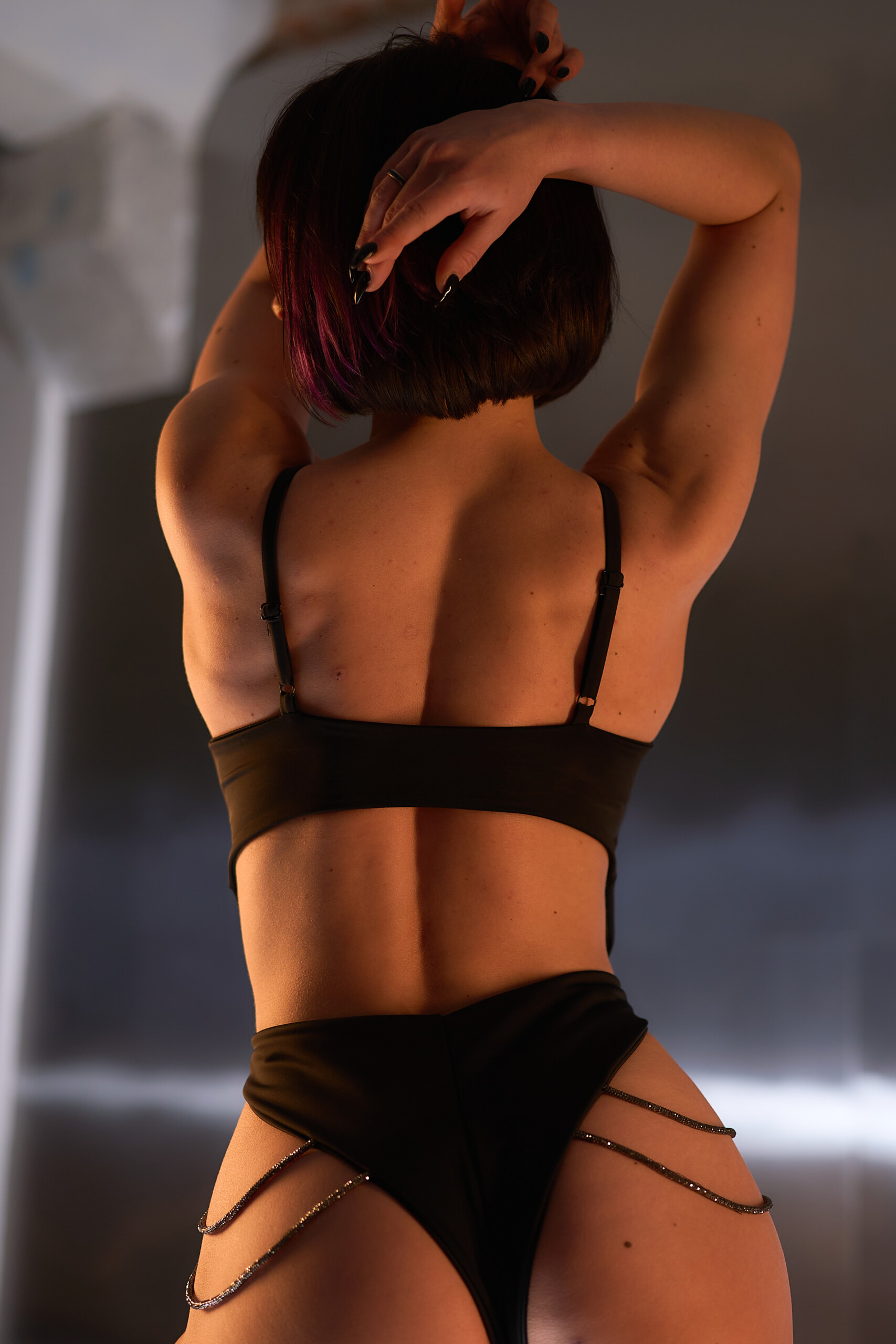
Trend Alert: Athleisure and Pole Dance – When Sportwear Becomes Fashion
In the past decade, athleisure has moved from gym lockers to runways, coffee shops, and red carpets. Nowhere is that crossover more visible and exciting than in the pole dance world, where movement-driven apparel meets bold fashion statements. For dancers and designers alike, this is more than a stylistic shift — it’s a cultural moment. The fusion of comfort, function, and aesthetics has given rise to a new niche: athleisure pole wear that blends performance-ready materials with everyday style. The result is a new category of clothing that supports both training and lifestyle needs.
Why pole dance fashion trends matter
Pole dance has evolved from underground scenes to a globally recognized sport and art form. As the discipline gains mainstream respect for its athleticism, creativity, and empowerment, its visual identity becomes a powerful form of expression. What dancers choose to wear communicates personality, technique, and confidence. Designers who pay attention to pole dance fashion trends create garments that respect technical needs — such as grip, range of motion, and safety — while also enabling personal expression through color, cut, and detail.
From a commercial perspective, aligning with these trends unlocks substantial opportunity. Brands that create athleisure pole wear can reach fitness-minded shoppers who value performance fabrics, as well as fashion-conscious consumers seeking versatile pieces. This crossover appeal explains why more lifestyle labels now offer “pole-friendly” lines or collaborate with pole dance ambassadors to raise visibility and credibility.
Athleisure pole wear: engineering meets lifestyle
Athleisure pole wear sits at the intersection of sportwear engineering and casual fashion. Function remains paramount: fabrics must wick sweat, hold up under tension, and allow full mobility. Yet modern athleisure design overlays those requirements with lifestyle features that make items suitable for non-studio contexts — reinforced seams for longevity, flattering cuts for day-to-day wear, and subtle styling cues that read as fashion-forward rather than purely athletic.
Consider a crop top with silicone grip panels hidden along the ribcage. In the studio, it offers additional hold during inversions; outside, it pairs effortlessly with high-waisted jeans for a brunch-ready outfit. Or picture leggings made from a four-way stretch, quick-dry textile with mesh inserts that ventilate and create visual interest. These hybrid pieces are the backbone of athleisure pole wear: versatile, technical, and stylish.
Designers are also exploring modular garments — removable straps, snap-in grip panels, and adjustable liners — so a single piece can transform depending on whether you plan to train or socialize. This adaptability feeds the broader consumer desire for fewer, more useful garments and supports more sustainable consumption habits.
Elements that define fashionable pole dance clothes
Fashionable pole dance clothes balance pragmatic details with contemporary aesthetics. Key features include:
- Technical fabrics with a fashion feel. High-elastane blends and performance knits now arrive with matte, luxe finishes that look more like fashion fabrics than traditional sportwear.
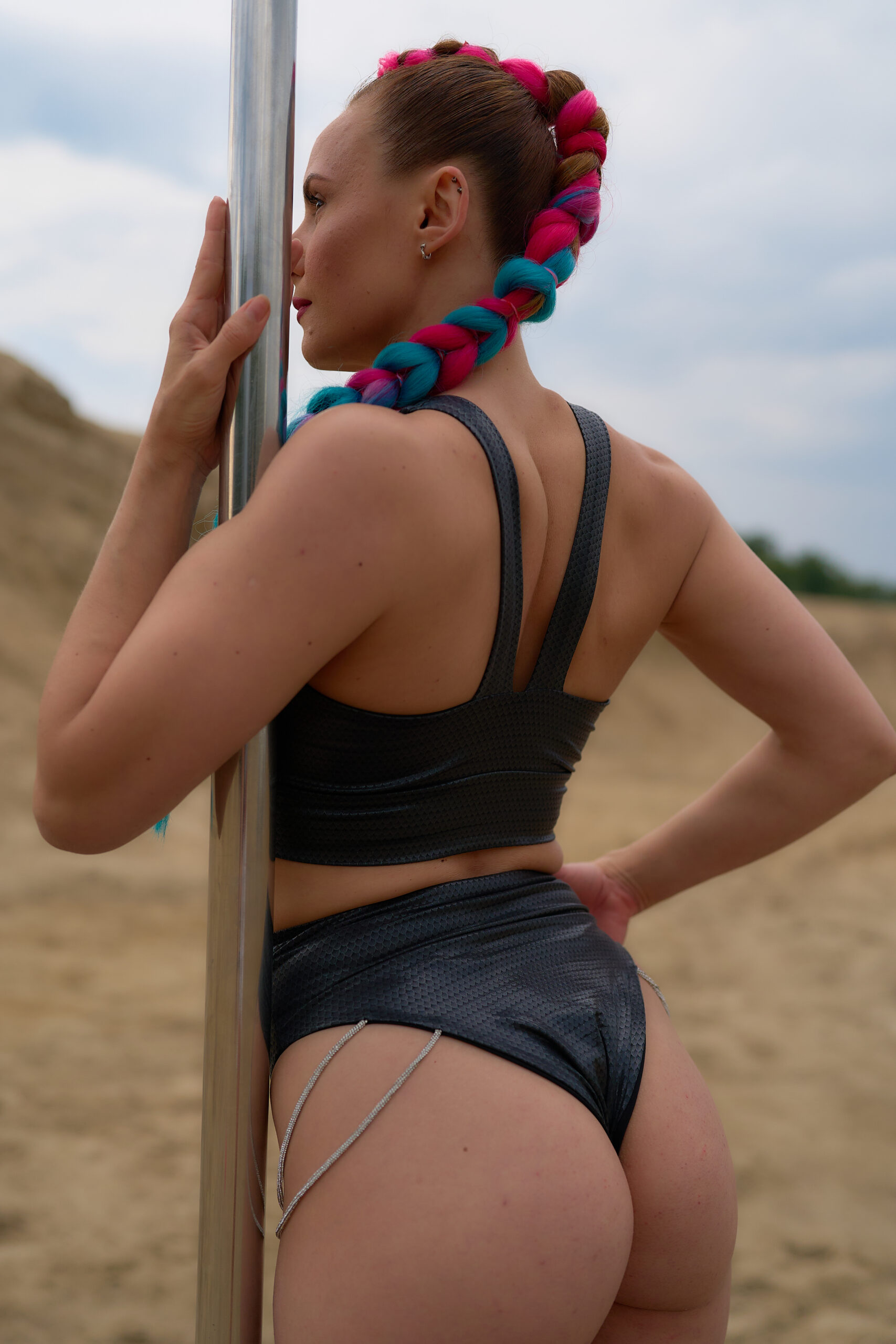
- Strategic grip zones. Silicone, textured panels, and reinforced seams are placed where they support movement — inner thighs, sides of hands, and around the ribcage — while remaining integrated into the design so outfits look sleek.
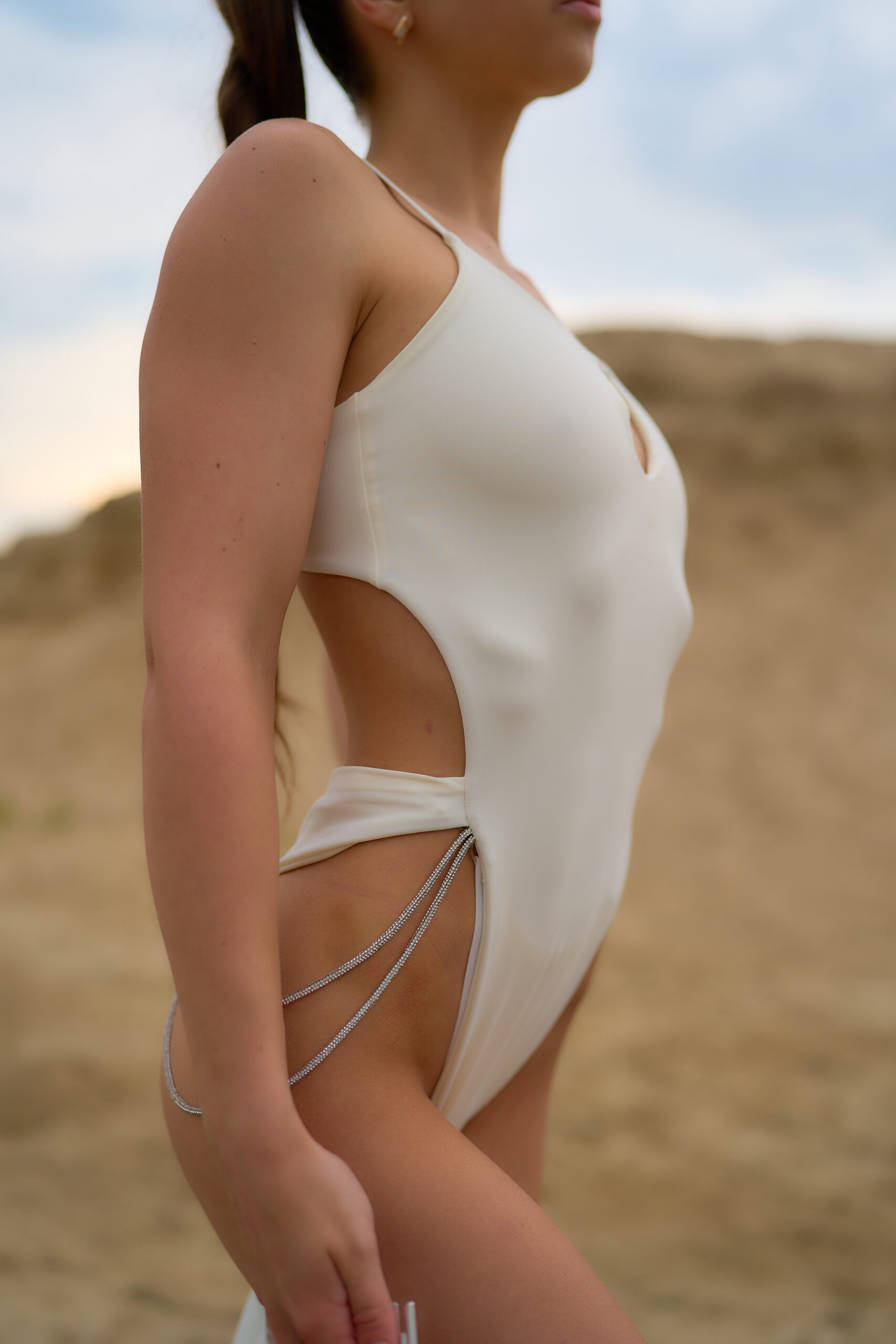
- Flattering silhouettes. High-waisted bottoms, supportive crop tops, tailored one-pieces, and bodysuits that accentuate posture and line are popular. These cuts suit varied body types and easily transition into street outfits.
- Elevated details. Asymmetrical cuts, tasteful hardware, and seam placements add personality without compromising safety or mobility.
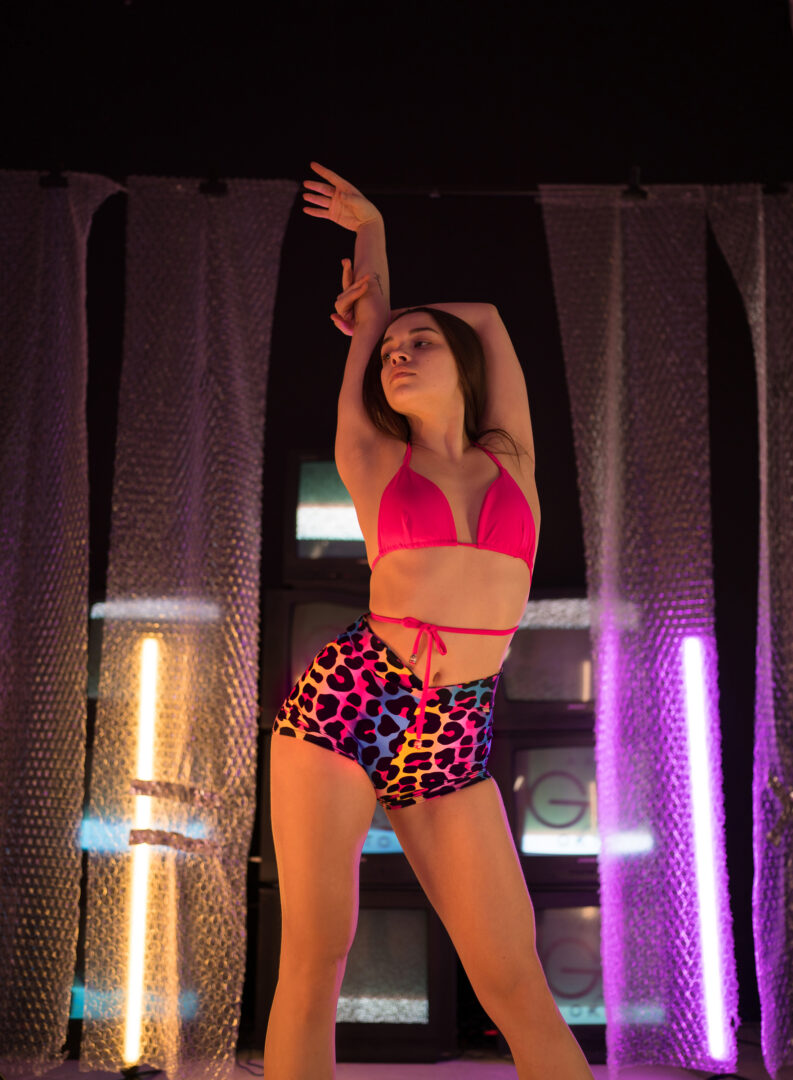
- Color and texture trends. While black and jewel tones remain staples, soft pastels, muted earthy hues, and tactile fabrics like brushed knits or matte neoprene are increasingly common.
These hallmarks make the difference between a garment that simply “works” and one that becomes a sought-after piece in both the studio and a fashion-conscious wardrobe.
How community and creators shape trends
Pole dance is a community-driven sport where feedback travels fast. Instructors, competitors, and content creators accelerate trends by testing garments in real-world settings and sharing candid feedback. Social platforms amplify what works: a viral routine in a particular athleisure pole wear set can create huge demand almost overnight. Studios collaborate with brands to co-design pieces that meet practical studio needs and aesthetic expectations, creating tight feedback loops that rapidly evolve designs.
This direct dialogue between wearer and maker keeps innovation practical and grounded. It ensures fashionable pole dance clothes are not mere visual statement pieces but genuinely supportive tools that enhance performance and confidence.
Styling: wearing pole wear beyond the studio
One of the biggest appeals of athleisure pole wear is its versatility. Here are practical styling ideas to make pole pieces part of your everyday wardrobe:
- Pair a supportive pole crop top with an oversized blazer and tailored pants for an empowered, modern office look. Minimal jewelry will lend polish without stealing focus.
- Layer a mesh-paneled bodysuit beneath a vintage denim jacket and high-waisted skirt for a casual city look that’s both edgy and refined.
- Wear high-waisted pole leggings as the base of a layered outfit: long sweaters, midi skirts, or tailored shorts make leggings work for daytime errands or evening gatherings.
- Combine pieces with sneakers for an athleisure vibe or switch to ankle boots for a night out. Small accessory switches — a belt, a structured bag — can turn sportwear into streetwear instantly.
These styling approaches demonstrate why athleisure pole wear fits into broader fashion currents rather than remaining niche.
Sustainability and inclusivity as a design imperative
As the market matures, consumers demand more than aesthetics. Sustainable practices — recycled fibers, low-impact dyeing, and transparent supply chains — are increasingly important to buyers who want to support ethical brands. Durable materials and repair-friendly construction also appeal to customers interested in longer-lasting wardrobes and reduced waste.
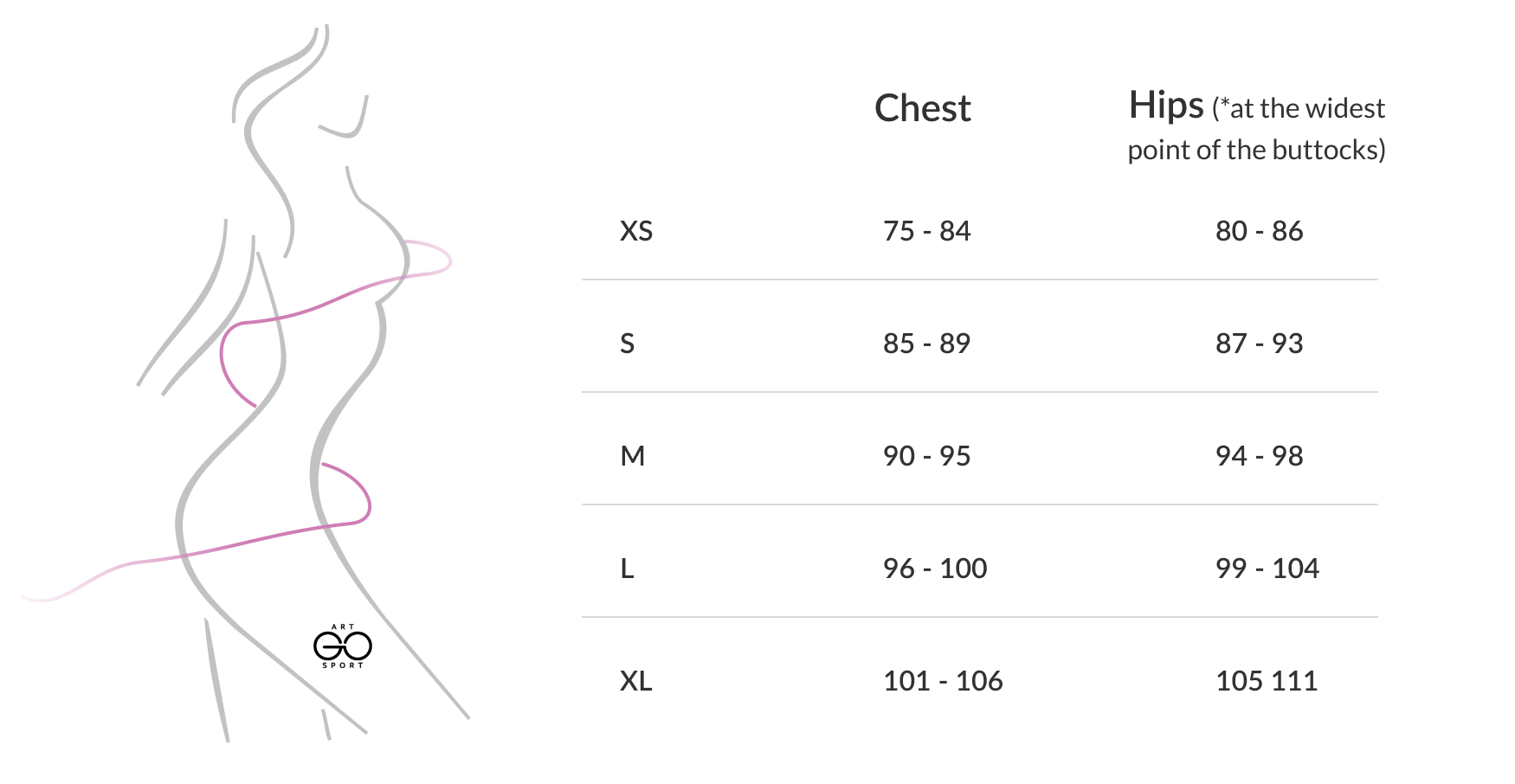
Inclusivity is equally crucial. Fashionable pole dance clothes must serve a diverse range of bodies and skin tones. Extended size ranges, adjustable features, and inclusive colorways help ensure everyone feels represented and supported. Brands that prioritize inclusivity and sustainability build stronger relationships with the pole dance community and set higher standards for the industry.
The future of pole dance fashion trends
The boundary between athleisure and fashion will continue to blur. Expect more collaborations between pole wear specialists and mainstream labels, greater emphasis on modular and customizable garments, and fabric innovations focused on improving grip without sacrificing comfort. As short-form video continues to dominate social media, movement-friendly, camera-ready pieces will define what becomes trendy.
For brands, the path forward is clear: listen to the community, prioritize performance, and deliver thoughtful design with style. For dancers, the benefit is clothing that supports training, showcases individuality, and transitions effortlessly from studio to street.
Athleisure pole wear is not a fleeting fad — it is an evolution of how sportwear functions in modern life. Pole dance fashion trends now emphasize technical excellence, visual appeal, sustainability, and inclusivity. Fashionable pole dance clothes empower movement, support performance, and allow personal expression beyond the studio. Whether you are a seasoned performer or someone exploring pole dance for the first time, the new wave of athleisure pole wear offers garments that are as capable as they are stylish and expressive.
Rate this post