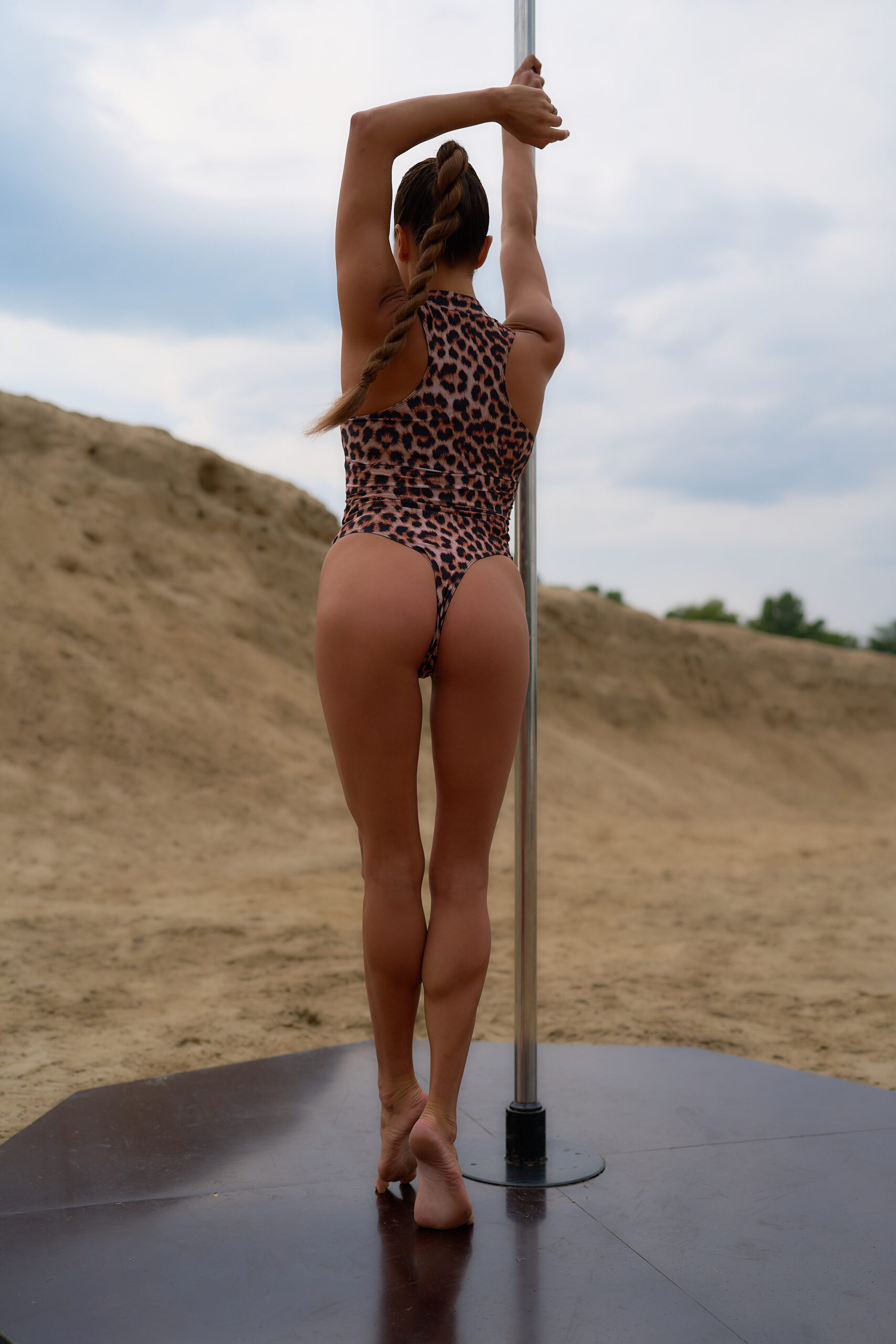
Choosing Pole Dance Wear: Complete Guide on Fabric, Fit & Function
Pole dancing is an athletic art form that blends strength, flexibility, and style. Choosing the right clothing is more than a fashion choice — it’s a performance and safety decision. The wrong fabric or fit can reduce grip, distract from technique, or even cause injuries during complex moves. Because pole dancing combines dynamic motion with skin contact against metal, clothing plays an outsized role in how you train and perform.
This pole dance clothing guide will walk you through the fabrics, fits, and functional details that help you move confidently, train smarter, and look great on the pole. I cover the pros and cons of common materials, how to assess fit for mobility and coverage, and specific features that make pole wear truly purpose-built. If you’re shopping for your first set or upgrading a trusted wardrobe, this article aims to make the decision easier and evidence-driven.
Throughout this guide you’ll find practical tips and pole wear recommendations that reflect everyday studio use and stage needs. Experimentation matters — skin chemistry, studio temperature, and personal technique all affect what works best. With the right knowledge, you can build a versatile wardrobe that grows with your skills.
Fabric: What to Wear and Why It Matters
The material you choose directly affects grip, comfort, and durability. Many pole dancers ask: what is the best fabric for pole dance? Fabrics like nylon-spandex blends, cotton-spandex, and technical polyesters are common because they balance stretch and support. Nylon-spandex (often marketed as “supplex” or performance nylon) provides excellent stretch, quick drying, and a smooth finish that resists pilling — making it a frequent favorite in pole wear.
Natural fibers like cotton are breathable and soft against the skin, but pure cotton can hold moisture and reduce grip. For training where you sweat a lot, blends that incorporate moisture-wicking technology are preferable. Look for fabrics labeled “moisture-wicking,” “fast-dry,” or “anti-microbial” if you want to keep odor and bacteria growth under control. This is particularly important for high-frequency training or hot studio environments.
Another fabric consideration is texture. Some fabrics have a velvety finish that reduces slip, while smoother finishes might require more skin contact to hold tricks. Experimentation is essential; different moves and skin types react to fabric textures differently. This pole dance clothing guide recommends keeping at least two fabric types in your wardrobe — one for grip-heavy training and another for comfort and flexibility.
Fit: Sizing, Cut, and Movement
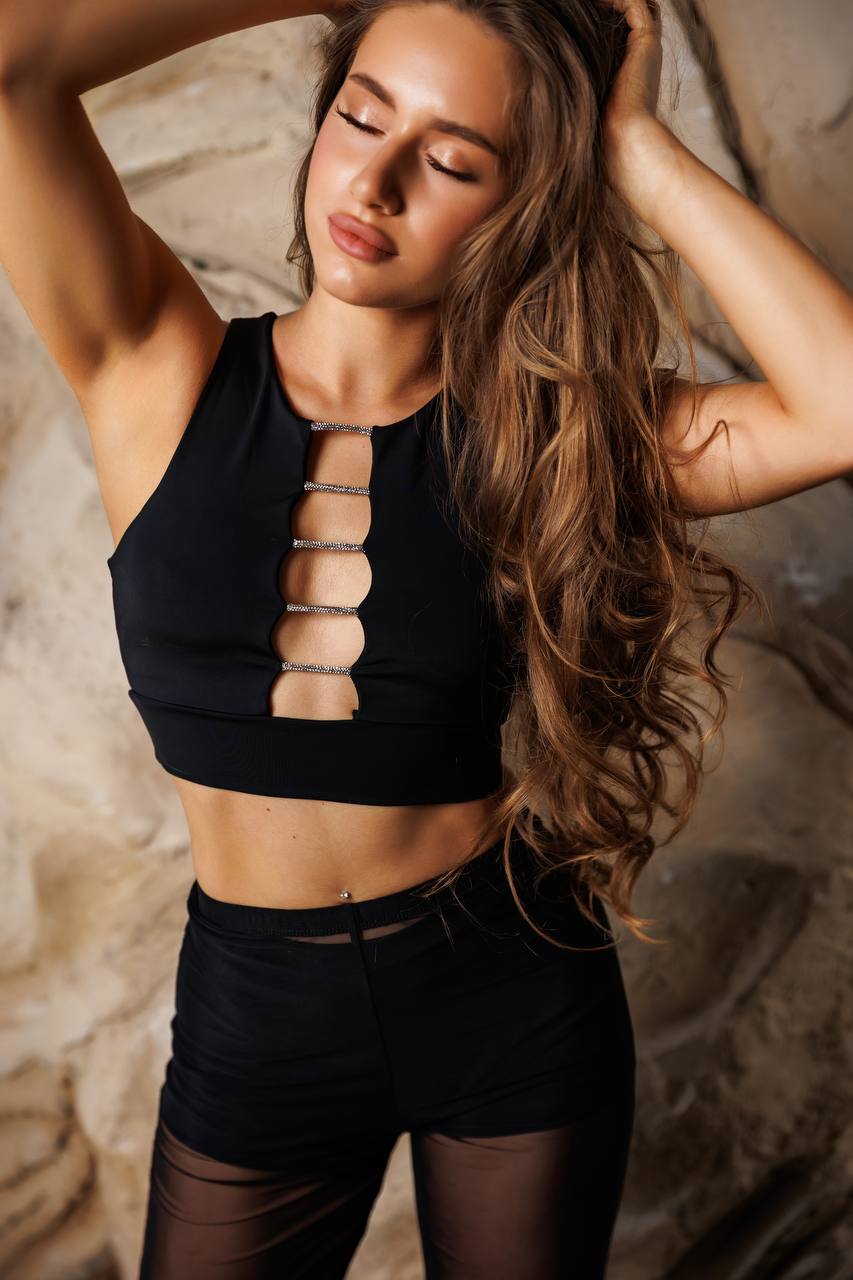
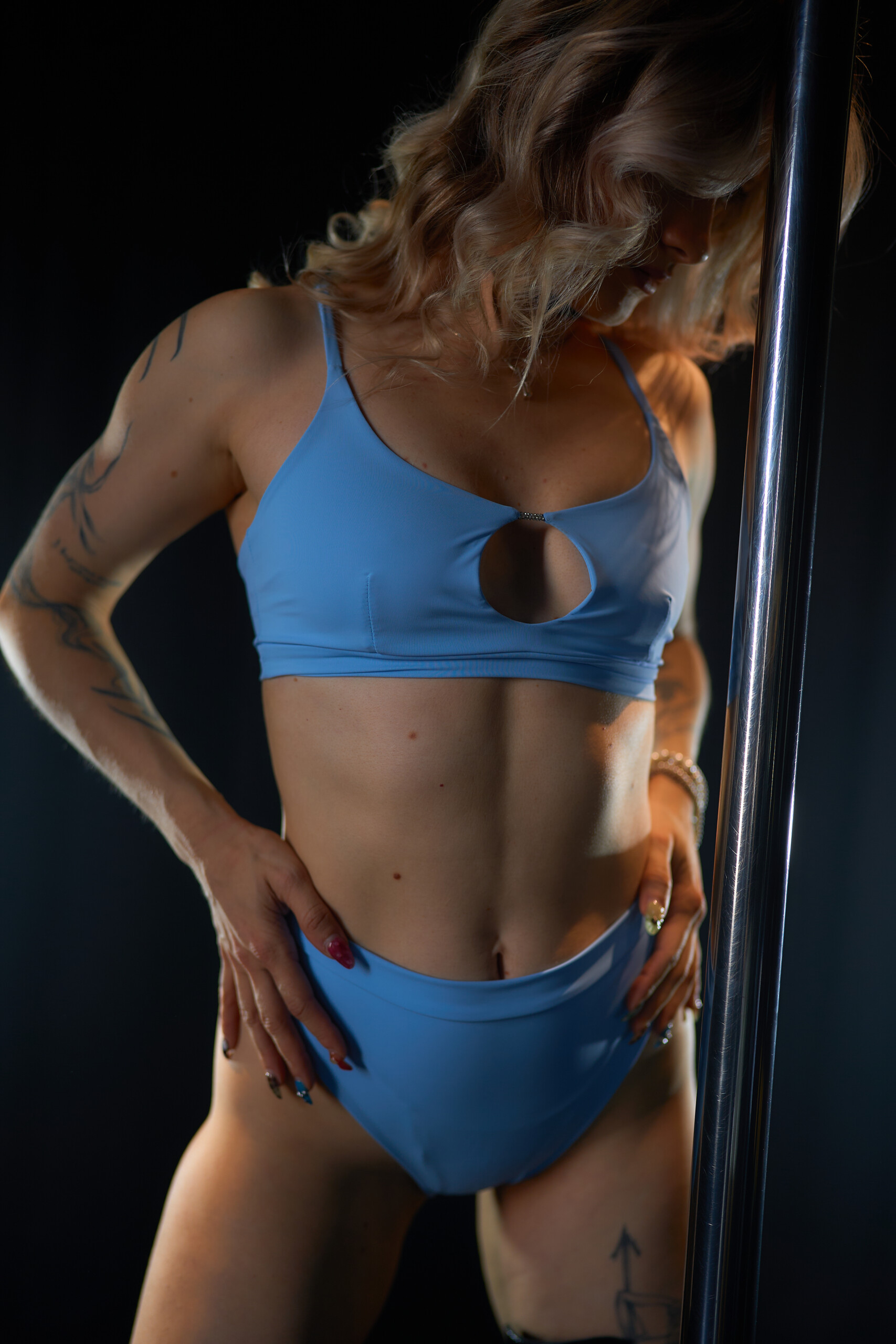
Fit is the secret ingredient of functional pole clothing. A garment that fits well supports movement and prevents wardrobe malfunctions. When assessing fit, prioritize mobility over fashion. Pole clothing should allow a full range of motion in hips, shoulders, and back. Shorts should be snug but not constrictive; tops should offer secure support without restricting breath or reach.
Pay attention to high-rise versus low-rise cuts. High-rise shorts often provide more core coverage and can protect the lower abdomen during inversions, while low-rise styles may offer more freedom for certain leg hooks. For tops, consider whether you need built-in support. A bralette or crop top with a wide band minimizes riding up and gives predictable coverage when you invert. Removable pads are a useful feature if you want versatility between light practice and intense performances.
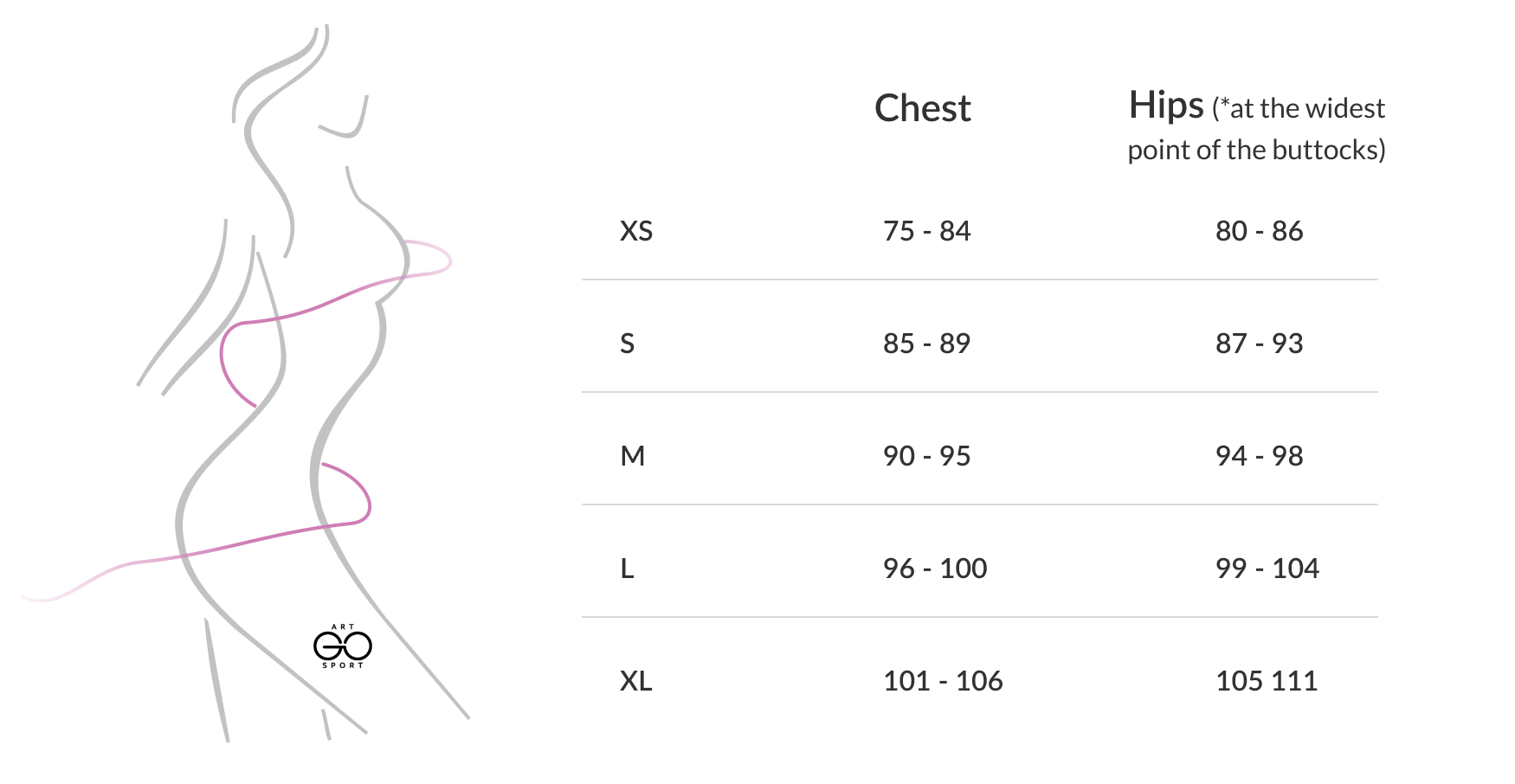
When trying on pole wear, simulate real movement. Squat, bend, reach, and replicate pole-specific positions if possible. Look for seams that don’t rub or pinch; flatlock stitching reduces chafing. Pay attention to waistband width and elasticity: too-tight waistbands constrict breathing and blood flow; too-loose ones shift during tricks. These pole wear recommendations encourage trying multiple sizes across brands — sizing is not standardized.
Function: Grip, Coverage, and Reinforcement
Function-driven choices make or break your session. Grip is arguably the most critical functional attribute. More skin exposure equals better grip on the pole, which is why many dancers train in shorts and crop tops. But grip can also be enhanced by fabric choice and specialized pole grip products such as liquid grips, rosin, or chalk alternatives. Choose clothing that complements your preferred grip method; avoid slippery finishes if you rely on friction.
Coverage and protection balance comfort and performance. Consider strategically placed panels or reinforced zones on hips, knees, and inner thighs. Some pole-specific shorts include silicone strips or textured panels to increase hold during sits and leg hooks. For aerial moves that place repeated pressure on certain areas, reinforcement can extend the life of your clothing and reduce wear on your skin.
Durability is another functional aspect to weigh. Poles and fast spins put stress on seams and fabric. Choose garments with reinforced stitching, stronger elastics, and high-quality hardware for straps or closures. Although these features may increase cost, they reduce long-term replacement frequency. Often, investing in a few high-quality staples is better than buying many low-quality pieces.
Care & Maintenance: Keep Your Gear Performing
How you care for pole wear affects performance and longevity. Always follow the manufacturer’s washing instructions; many performance fabrics require cold wash and air drying to preserve elasticity and wicking properties. Avoid fabric softeners — they can leave residues that reduce grip and wickability. Use gentle detergents designed for activewear.
Quick maintenance routines help between sessions. Rinse sweaty items in cold water or hang them to air out. For stubborn odor, a soaking solution with baking soda or a sport-wear detergent can help. If your fabric loses its grip over time, a gentle wash and avoiding high heat can often restore some of its original properties. Replace worn-out elastics and consider professional repairs for cherished items.
Storage also matters. Keep pole wear away from abrasive surfaces and sharp objects that can snag delicate fabrics. Rotate your training garments so the same pieces aren’t stressed every session. These small habits prolong lifespan and ensure consistent performance.
Styling & Layering: Look Good, Train Better
Style and confidence are part of the performance. Choose colors and cuts that reflect your personality while maintaining function. For cold studios, layering is essential: a lightweight long-sleeve warm-up top over a crop top warms muscles without hindering movement. Layering can also help transition from practice to public spaces comfortably.
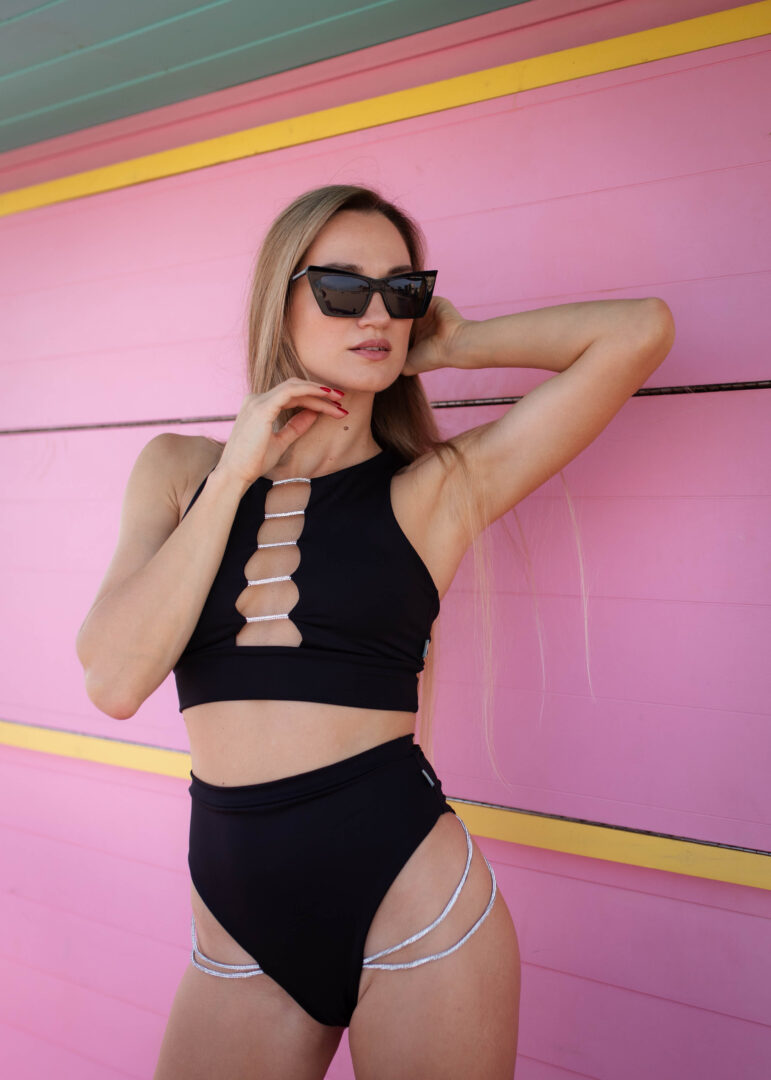
Mix textures and lengths to diversify your wardrobe. High-waisted leggings paired with a shorter top offer a different look and coverage level than small shorts and a sports bra. Accessories like grip gloves, knee pads, or leg warmers can be incorporated stylishly without compromising technique. The pole dance clothing guide encourages dancers to build a versatile wardrobe that suits both practice routines and stage performances.
Personal presentation matters on stage. Thoughtful styling choices can enhance movement lines and visual impact. Consider complementary colors and simple, clean silhouettes that highlight form rather than distract from it.
Buying Recommendations: How to Choose & What to Try
When shopping, prioritize brands that specialize in pole wear; they understand the sport’s unique needs. Look for reviews mentioning durability, true-to-size fit, and real-world grip performance. If possible, buy from retailers with flexible return policies so you can test fit and movement. Keep a checklist: fabric type, seam construction, waistband security, and special features like silicone panels.
Start with a core set: one pair of grip-friendly shorts, one supportive crop top, one pair of training leggings, and a lightweight warm-up layer. From there, expand into performance pieces for shows or photoshoots. Try different brands and materials to discover what feels best for your skin and technique. These pole wear recommendations will help you prioritize purchases and avoid expensive trial-and-error.
If you train outdoors or travel, pay attention to sun protection and the fabric’s resistance to fading. Some performance fabrics are treated to resist UV and chlorine — useful if you also swim or train in bright outdoor conditions.
Choosing pole dance clothing is a thoughtful process that blends fabric science, smart fit, and functional design. Use this pole dance clothing guide as a starting point: experiment with the best fabric for pole dance for your body, prioritize fit and reinforcement, and maintain your gear properly. Invest in a few reliable staples and fine-tune your wardrobe as your skills grow. With the right clothing, you’ll feel safer, move more freely, and showcase your best work on the pole.
Rate this post