
Pole Dance for Beginners: How to Start Safely and Effectively
Pole dancing is a dynamic and empowering form of fitness that combines strength, flexibility, and artistic expression. If you’re searching for beginner pole dance tips or wondering how to start pole dancing, this guide will walk you through the essentials: what to expect in your first sessions, how to choose the right pole classes for beginners, and the safe, effective practices that help you progress quickly. Designed for absolute beginners, the advice below balances practical technique, safety, and progress-focused training.
Pole work develops muscles you might not use in everyday life: deep core stabilizers, scapular stabilizers, hip rotators and the muscles of the posterior chain. Expect your first weeks to feel challenging but rewarding. Small, consistent wins — a cleaner spin, a stronger grip, improved flexibility — compound rapidly when you train smart.
Emotionally, pole often brings a unique mix of vulnerability and empowerment. Many beginners feel self-conscious at first; most studios foster a supportive culture where peers and instructors celebrate incremental progress. Approach training with curiosity and patience.
What to expect in your first classes
Your first pole class will focus on fundamentals: basic grips, body alignment, posture, and simple spins. Instructors typically begin with warm-ups that prioritize shoulder mobility, wrist prep, and core activation — all crucial areas for pole work. Expect to practice bearing your bodyweight with controlled movements and to repeat beginner-friendly drills that build coordination and spatial awareness.
It’s normal to feel sore after your initial sessions. Muscles that were previously underused are now working in new ways, so allow your body time to adapt. Start with modest expectations and plan to attend consistently; two classes per week plus light conditioning at home will produce visible strength gains within a month.
Mentally, beginners often move through a progression: curiosity → learning → small wins → confidence. Celebrate every small milestone and document progress — it helps you stay motivated and reveals patterns to refine technique.
Choosing the right pole classes for beginners
When searching for pole classes for beginners, prioritize qualified instructors and a studio atmosphere that emphasizes safety and inclusivity. Look for instructors with certifications or verifiable teaching history, and ask whether the studio runs structured beginner courses rather than dropping you directly into mixed-level classes.
Class size matters: smaller groups allow instructors to give individualized feedback, correct form, and spot for safety. Also inspect the studio’s poles — stainless steel and brass feel different and react differently to sweaty hands; a studio that offers both helps you discover your ideal grip surface.
Logistics are practical but important: clean facilities, clear hygiene policies, and available crash mats or spotters are signals the studio takes student wellbeing seriously. Trial classes are a great way to test atmosphere, equipment, and teaching style.
Beginner pole dance tips to accelerate progress
Master the basics before chasing advanced tricks. A common beginner mistake is attempting moves your body isn’t prepared for. Break tricks into elemental parts (grip, shoulder placement, hip hinge, footwork) and practice those micro-skills repeatedly; they compound into safer, stronger performances.
Develop grip conditioning gradually. Skin-on-pole contact is essential for many holds; try rotating between dry and slightly sweaty practice days to learn how conditions affect your hold. Approved grip aids (chalk or studio-recommended products) can help while your skin toughens, but avoid over-reliance.
Cross-train to support pole-specific demands. Bodyweight strength work, Pilates, and targeted shoulder and scapular exercises will improve stability. Short, disciplined sessions 2–3 times weekly significantly boost pole strength and reduce injury risk.
Safety and injury prevention
Always begin with a good warm-up that raises heart rate and mobilizes shoulders, wrists, hips and hamstrings. Post-session cool-downs with gentle stretching and self-massage improve recovery and reduce delayed-onset soreness (DOMS).
Listen to your body. Differentiate “productive discomfort” from sharp or joint pain — the latter requires immediate rest and possibly professional assessment. Communicate pre-existing conditions with instructors so they can modify drills and keep you progressing safely.
Progress slowly into inversions and load-bearing moves. These place different stresses on the spine and shoulders; ensure you have posterior chain and scapular strength first. Use spotters and crash mats when learning new inversions, and avoid solo attempts until you’ve demonstrated consistent control.
Building a consistent training plan
Set specific, measurable short- and medium-term goals. Replace vague aims like “get better” with targets such as “perform a clean basic spin for three rotations” or “complete a strict pull-up with controlled descent.” Track progress in a brief training log to spot plateaus and wins.
Structure each practice: warm-up (10–15 min), skill drilling (20–30 min), strength work (15–20 min), cool-down (10 min). Focused repetition of one or two elements per session yields faster skill retention than unfocused practice.
Prioritize recovery: quality sleep, balanced nutrition, and active recovery days are part of training. If you’re very sore, choose mobility work or gentle cardio instead of high-intensity pole practice to preserve technique integrity.
Mental approach and community
Pole is equally mental. Approach learning with curiosity rather than chasing perfection. Use visualization techniques, positive self-talk, and break fear-driven barriers with small, progressive steps. Reframing “failure” as feedback accelerates learning.
Community is a huge asset. Join social practice sessions, attend workshops, and connect with peers for encouragement. The supportive studio network makes training safer and more enjoyable, and peer feedback often surfaces small corrections that dramatically improve technique.
Practical checklist for beginners
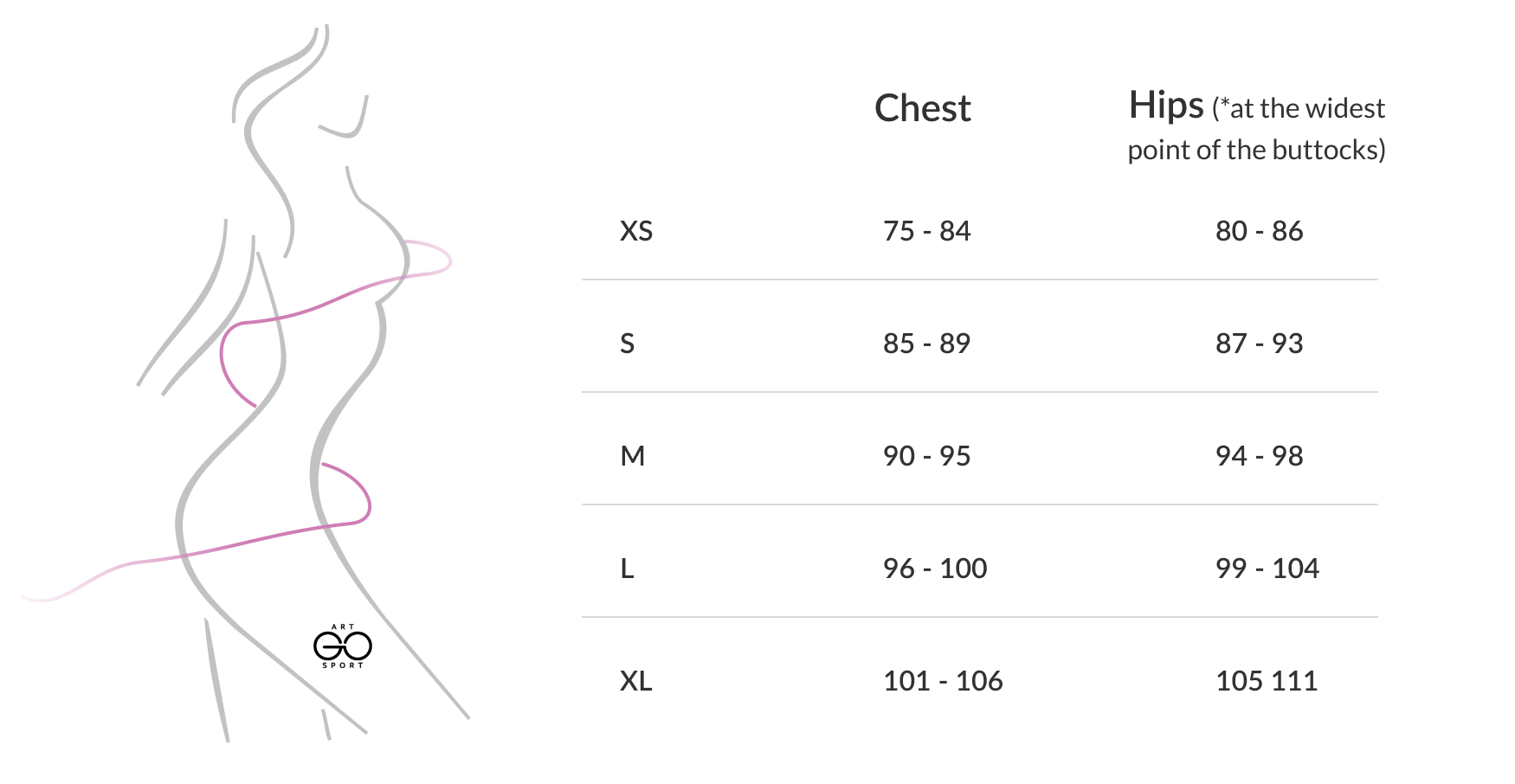
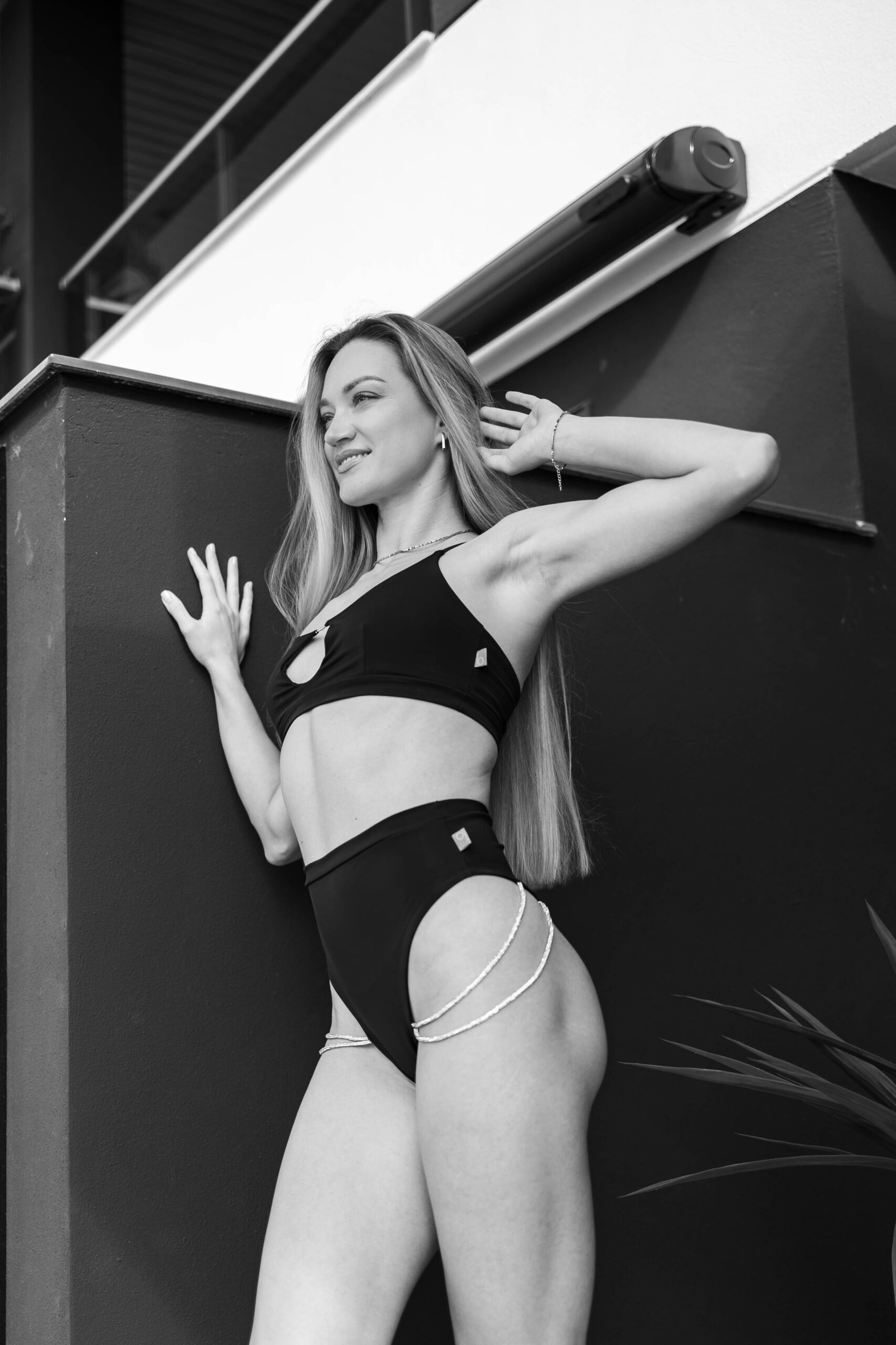
- What to wear: shorts and a snug top to allow skin contact with the pole. Bring a water bottle, small towel, and approved grip aids.
- Frequency: aim for 2–3 pole classes per week, plus 1–2 cross-training sessions.
- Home practice: do conditioning and flexibility drills at home, but save heavy pole practice for studio time with proper equipment and spotting.
- When to seek private lessons: if you have recurring technical issues or want to accelerate safely, a few private sessions provide targeted feedback that speeds progress.
Starting pole dancing is an investment in strength, flexibility, and confidence. By choosing the right pole classes for beginners, following practical beginner pole dance tips, and committing to consistent, safety-first training, you’ll build durable skills and enjoy a fulfilling, creative fitness journey. Progress isn’t linear — celebrate small wins, be patient with your body, and relish the empowerment pole dancing brings.
Rate this post